
Queen Elizabeth: the enduring symbol of continuity, duty and soft power
Few public figures leave as visible a mark on daily life as Queen Elizabeth. Her likeness on coins and stamps, familiar televised addresses, and carefully choreographed public appearances turned a personal style into national symbolism. That combination of constancy and ceremony helped reshape what a modern constitutional monarchy looks and feels like, both at home and across the Commonwealth.
A stabilizing constitutional presence
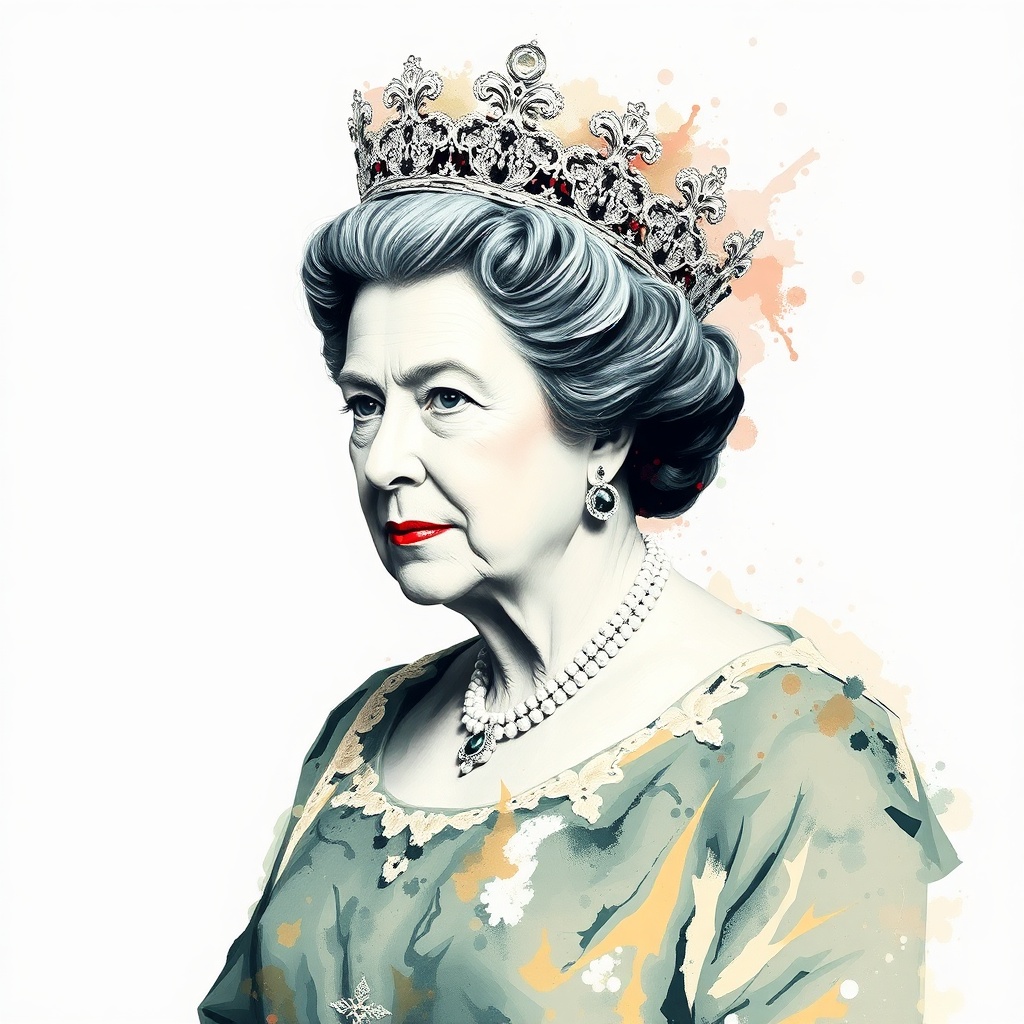
Although the monarch’s political powers are largely ceremonial, the role serves important constitutional and symbolic functions.
As head of state, the queen provided a nonpartisan anchor during times of political change, offering continuity when governments shifted and public debates intensified. That steadying function—blending tradition with an awareness of modern expectations—helped sustain public trust in institutions that otherwise might appear brittle.
Widespread patronage and philanthropic influence
Beyond the ceremonial, royal patronage created tangible impact for thousands of charities and community groups.
Being a royal patron elevated causes, boosting fundraising, volunteer recruitment and media exposure. Health, education, conservation and the arts benefited from royal association, which often acted as a catalyst for long-term partnerships and cross-sector collaboration.
The legacy of such patronage lives on in the networks and initiatives that continue to serve communities worldwide.
Cultural touchstone: fashion, jewelry and public image
A signature wardrobe of brightly colored coats, distinctive hats and brooches became practical branding—easy to spot in a crowd and ideal for public engagements. Designers benefited from the spotlight, and elements of royal style entered mainstream fashion. The queen’s jewelry, especially iconic brooches and tiaras, carried personal and historical narratives that museums, exhibitions and auction houses frequently explore, turning private objects into public stories.
Media, memory and the shaping of narrative
Televised speeches, documentaries, films and high-profile biographies all contributed to how the queen is remembered. Dramatic portrayals and archival releases sparked renewed interest in royal history, drawing visitors to exhibitions and scholars to royal archives.
The public’s appetite for context and nuance has driven museums and cultural institutions to present more rounded, accessible interpretations of royal life and governance.
Tourism, heritage and national identity
Royal palaces, country estates and ceremonial sites are major draws for domestic and international visitors. These places are interpreted not only as historic settings but as living institutions—venues for state visits, ceremonies and public programming.
Tourism economies, heritage conservation projects and local communities all benefit from the continuing interest in royal history and pageantry.
Debate, adaptation and the future of monarchy
The monarchy’s place in public life remains a subject of active debate. Questions around cost, relevance and democratic accountability sit alongside arguments about cultural heritage, diplomacy and national identity. The institution has shown adaptability—evolving protocols, embracing digital communications and engaging with broader social issues—to remain relevant in changing times.
A legacy of duty and public service
Whether admired for tradition or critiqued for privilege, the queen’s influence on public life is undeniable.
The combination of ceremonial continuity, philanthropic engagement and cultural visibility produced a legacy that reverberates through institutions, charity networks, fashion, tourism and public memory. That legacy continues to shape how constitutional monarchy is understood and practiced, offering lessons about duty, adaptation and the power of symbolic leadership.
