
Queen Elizabeth: Why the Public Fascination Endures
Few public figures inspire as much sustained interest as Queen Elizabeth. Her long service, carefully managed public image, and role at the heart of national rituals combined to create a legacy that remains a touchstone for discussions about monarchy, national identity, and cultural memory.
A living symbol of continuity
The queen came to represent a continuity that many find reassuring. Royal ceremonies — coronations, state openings, and jubilees — are carefully choreographed moments that blend pageantry with constitutional significance. These rituals are not just spectacle; they anchor civic life, offering recurring opportunities for communities to mark shared history and values.
Cultural and economic impact
Royal residences and related attractions continue to draw millions of visitors. Palaces, state apartments, and royal parks are major tourist draws, while the Crown Jewels and historic regalia remain compelling displays of art, craft, and symbolism. Beyond tourism, the queen’s image appears on coins, stamps, and countless pieces of memorabilia that collectors prize.
Commemorative items and auctions tied to royal artifacts generate steady interest from museums, private collectors, and heritage organizations.
The soft power of royal diplomacy
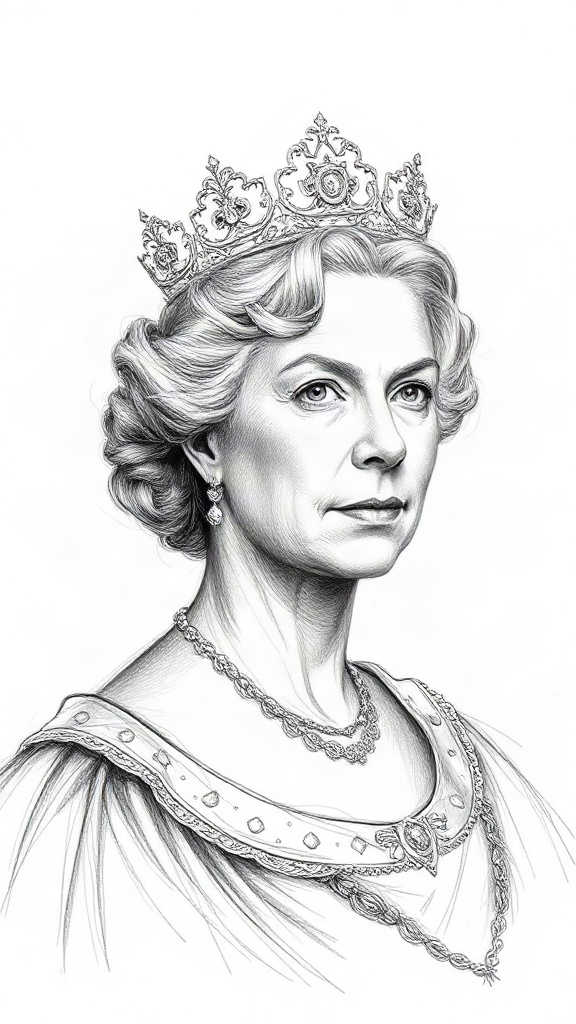
Royal tours and patronages helped shape international relationships in ways that extend beyond formal diplomacy. The queen’s role in the Commonwealth provided a framework for informal ties across diverse nations, and royal visits often boosted local goodwill and cultural exchange.
Today, these elements remain part of how the monarchy exercises soft power: fostering relationships, highlighting charitable causes, and promoting business and cultural links.
Charitable work and patronages
A network of patronages and charitable affiliations underpinned much of the queen’s public work. These connections elevated causes ranging from health and education to the arts and conservation. Many charities and institutions continue to reference that legacy as they build their own identities and fundraising appeals, demonstrating the enduring practical impact of royal patronage.
Monuments, media, and the market for memorabilia
Media portrayals — documentaries, films, and dramatized series — keep public attention focused on royal life, inviting new generations to explore historical moments and personal stories. Museums and special exhibitions devoted to royal history draw large audiences and generate new scholarship. The secondary market for royal memorabilia, from signed photographs to outfits and official gifts, remains robust, reflecting a persistent demand for tangible connections to the monarchy.
Managing public memory
How the queen is remembered involves careful stewardship by royal households, archivists, and historians. Official portraits, archival releases, and curated exhibitions shape public narratives, while independent scholars continue to reassess events and policies. This dynamic creates an evolving public memory that balances reverence with critical inquiry.
What visitors and enthusiasts can do
– Visit major sites connected to the monarchy to see regalia, state rooms, and curated displays. – Follow exhibitions at national museums that explore royal history and behind-the-scenes stories. – Look for authenticated memorabilia and expert-led auctions when collecting.
– Explore charity work linked to royal patronages to see practical legacies in action.
The fascination with Queen Elizabeth endures because it blends human stories with national ritual, art, and history. Whether encountered through a formal ceremony, a museum display, or a small piece of memorabilia, the legacy continues to prompt curiosity, reflection, and conversation about what the monarchy means for public life.
