
Queen Elizabeth remains one of the most recognized and discussed figures of modern monarchy, a symbol whose influence stretches across government, culture, and daily life. Whether remembered for ceremonial gravitas, public service, or a distinct fashion sense, her legacy continues to shape how constitutional monarchies operate and how royalty connects with the public.
A symbolic head of state, Queen Elizabeth helped define the balance between tradition and modern constitutional practice. While largely ceremonial, the monarch’s role as a steadying symbol of continuity allowed governments to change while maintaining national cohesion. That symbolic function—stability without partisanship—remains a core argument for constitutional monarchies around the world.
Public service and patronage were central to the royal brand. Countless charities and institutions benefitted from royal patronage, which often brought sustained attention and resources to social causes from healthcare and education to cultural preservation. The practice of lending celebrity and ceremonial weight to philanthropic causes showed how a figurehead can amplify civil-society efforts without running for office.
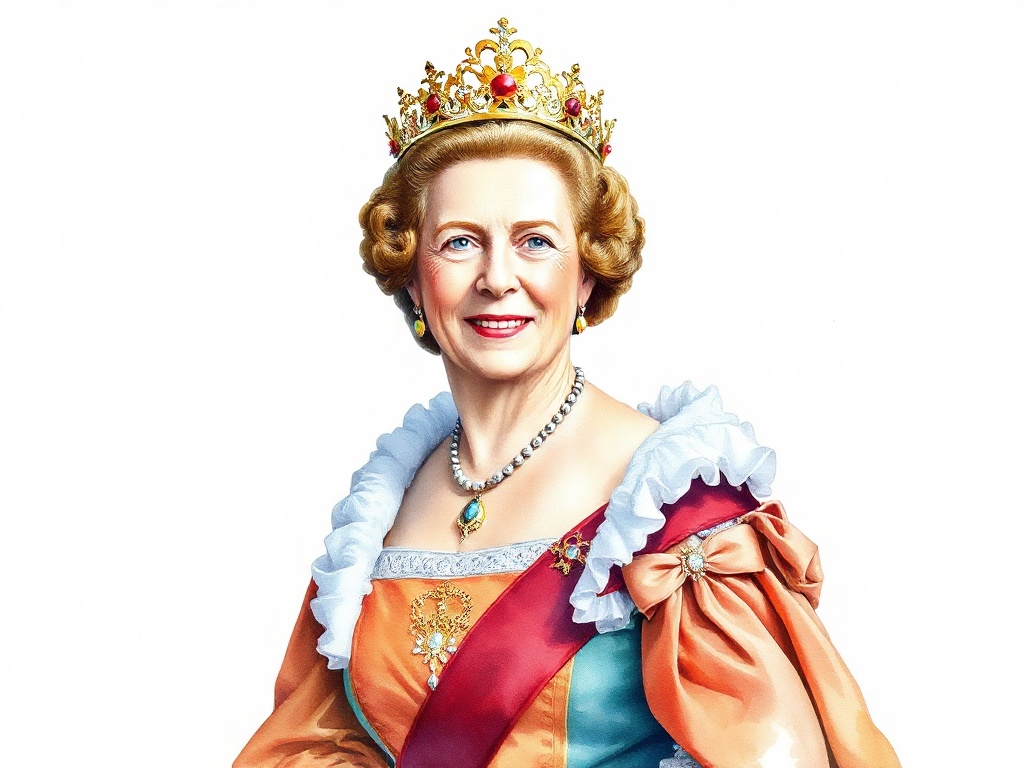
The cultural impact reaches beyond politics. Royal fashion choices were covered globally and emulated by the public, driving trends and spotlighting designers. The consistent attention turned simple wardrobe decisions into statements of accessibility, diplomacy, or continuity. Royal residences, state ceremonies, and public appearances also created enduring imagery that feeds popular media, fashion retrospectives, and tourism.
Internationally, the monarch’s role as head of a multinational association of states helped sustain ties among diverse member nations.
This soft-power dimension—shared history, ceremonial diplomacy, state visits—helped keep lines of communication open across continents. Those connections are often cited when discussing how symbolic leadership can support international cooperation without direct political intervention.
Media and storytelling have played a major part in shaping public perception. Documentaries, films, and dramatized series turned private moments and public events into narratives that engage new audiences and provoke debate about transparency, privacy, and the pressures of public life.
Archival releases and photographic collections continue to offer fresh material for historians, journalists, and content creators.
Legacy-building extended into naming public works, scholarships, hospitals, and cultural institutions, creating a fabric of commemoration that keeps royal associations present in everyday civic life. Statues, memorials, and educational endowments function both as historical markers and as active sites of civic remembrance.
The monarchy’s future-facing lessons include the importance of modernization and adaptability.
The transition to more accessible public engagements, greater use of media channels for outreach, and a clearer focus on charitable priorities demonstrate how long-standing institutions can evolve while preserving core symbolism. At the same time, controversies and debates about funding, relevance, and transparency underline that royal institutions must continuously engage with public expectations to maintain legitimacy.
For those studying leadership, soft power, or public branding, Queen Elizabeth’s life offers a multifaceted case study: a blend of ceremonial duty, charity elevation, diplomatic soft power, and cultural influence. Today, her public memory functions as both a mirror and a lens—reflecting historical continuity while shaping ongoing conversations about the role of monarchy in contemporary civic life.
