
Queen Elizabeth II remains one of the most recognizable figures in modern public life, a symbol of continuity, ceremony, and service whose influence reshaped the British monarchy and left a lasting imprint on global culture.
A life of service
Her public persona was defined by a steadfast commitment to duty and constitutional neutrality. From official engagements to private counsel with successive prime ministers, she embodied the ceremonial heart of a constitutional monarchy.
That steady presence helped the institution navigate political change, social upheaval, and shifting public expectations while maintaining the monarchy’s role as a unifying national symbol.
Modernizing the monarchy
While steeped in tradition, the monarchy under her stewardship also adapted to the demands of modern media and public scrutiny. Televised coronations, public broadcasts, and more accessible royal tours brought the family closer to subjects and Commonwealth audiences.
Administrative reforms introduced greater transparency in funding, estate management, and royal staffing, reflecting broader expectations for accountability in public life. At the same time, the balance between privacy for family members and public interest became an ongoing challenge, prompting conversations about the role of the royal household in an era of instant information.
Commonwealth and global diplomacy
A defining element of her legacy was the role played within the Commonwealth. As head of a diverse association of nations, she emphasized continuity, diplomatic soft power, and symbolic leadership that fostered cultural ties across continents. State visits, patronages, and symbolic gestures helped maintain relationships that extended beyond formal diplomacy, highlighting the monarchy’s capacity to act as a bridge in sensitive international contexts.
Cultural resonance and popular portrayals
Queen Elizabeth’s life and persona have been a recurring subject of film, television, literature, and art. Dramatic portrayals, documentaries, and biographical works continue to shape public understanding—sometimes reverent, sometimes critical—reflecting both fascination with royal ritual and interest in the private person behind the public role. Her image on coins, stamps, and official regalia reinforced a familiar presence that transcended borders and generations.
Philanthropy, patronages, and personal interests
Beyond constitutional and ceremonial duties, patronages and charitable initiatives associated with her name supported causes ranging from healthcare and education to conservation and the arts.
Personal interests, such as an appreciation for the countryside and support for equestrian pursuits, often informed public engagements and private philanthropy, lending a human dimension that resonated with many.
Contested legacy and ongoing debate
Public responses to her life and the institution she led were never uniform. Praise for stability and service coexisted with scrutiny over privilege, transparency, and the monarchy’s place in a changing society. High-profile family controversies and questions about funding helped provoke wider discussions about reform, relevance, and accountability—conversations that continue as the institution evolves.
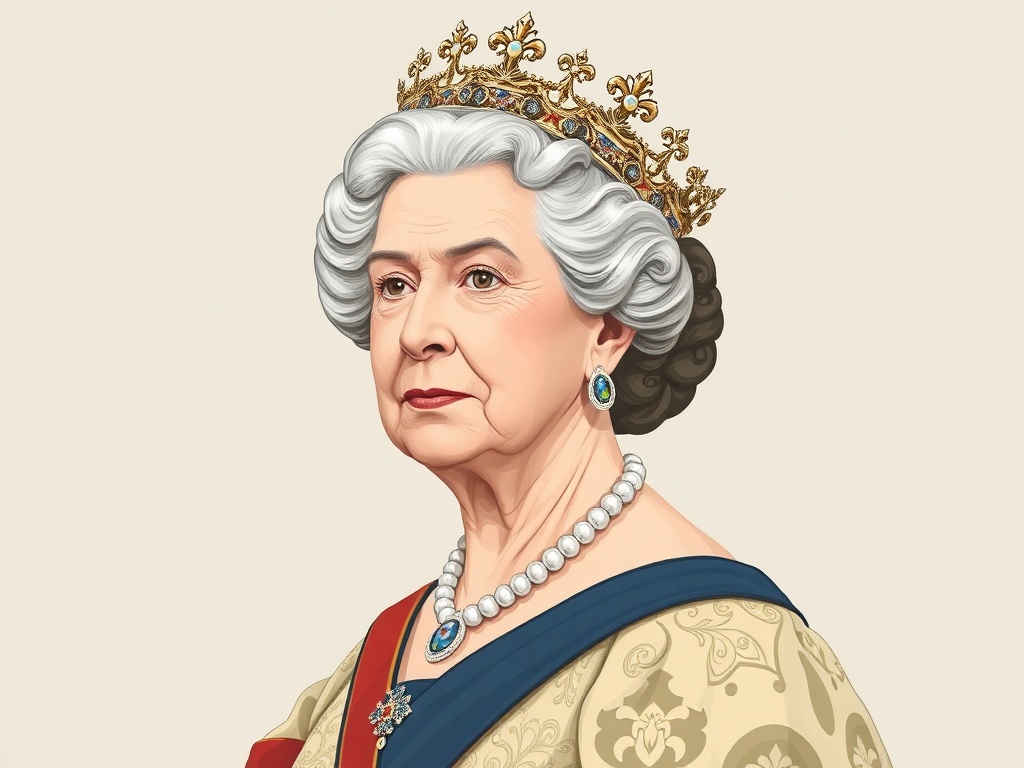
Enduring relevance
Today, Queen Elizabeth’s legacy is visible in the ceremonial structures, charitable frameworks, and cultural narratives that remain central to the monarchy’s identity. Whether viewed through the lens of tradition or as a catalyst for change, her impact on public life endures, prompting ongoing debate about leadership, legacy, and the meaning of public service in a modern constitutional monarchy.
