
Layers of London: How the City’s History Shapes Its Streets
Few capitals wear their past as visibly as London.
From Roman foundations beneath the financial district to contemporary glass towers lining the Thames, the city’s story is a continuous conversation between preservation and reinvention.
Understanding London history reveals why certain streets feel ancient while others pulse with relentless modernity.
The river that made London
The River Thames has always been London’s defining feature. Its tidal flow created natural landing points that became trading hubs, helping a small riverside settlement grow into a commercial powerhouse. The river dictated where bridges and quays would appear, where markets clustered, and where flood-prone land shaped building styles. Even now, regeneration schemes along the Thames respond to the same geography that merchants and mariners once navigated.
Roman and medieval foundations
Beneath many central streets lie remnants of a Roman town once known for its defensive walls, forum, and amphitheatre. These archaeological traces surface regularly during construction, reminding observers that modern skyscrapers rest atop ancient stone. The medieval era added narrow lanes, guildhalls, and parish churches that still anchor neighborhoods.
Landmarks established during that time—from fortified castles guarding the river to the great abbeys that became centers of power—continue to define the urban fabric.
Disaster and rebirth
Disasters have been catalysts for change. Major conflagrations and periodic outbreaks forced rapid rebuilding, prompting shifts in materials, street plans, and regulations. Reconstructive periods produced iconic skyline features, including domed cathedrals and broad boulevards, while later industrial growth introduced warehouses, railways, and grand civic buildings.
London’s ability to turn catastrophe into opportunity is a throughline in its history.
Industrial transformation and global connections
Industrialization reshaped London’s economy and population. New transport networks, from docks to rail terminals, concentrated goods and people in previously quiet districts. Waves of migration from across the British Isles and beyond infused the city with languages, cuisines, and trades, making neighborhoods ethnically and culturally diverse. Worldwide trade linked London’s prosperity to global markets, and the city became a hub where finance, manufacturing, and culture intersected.
War, recovery, and modern identity
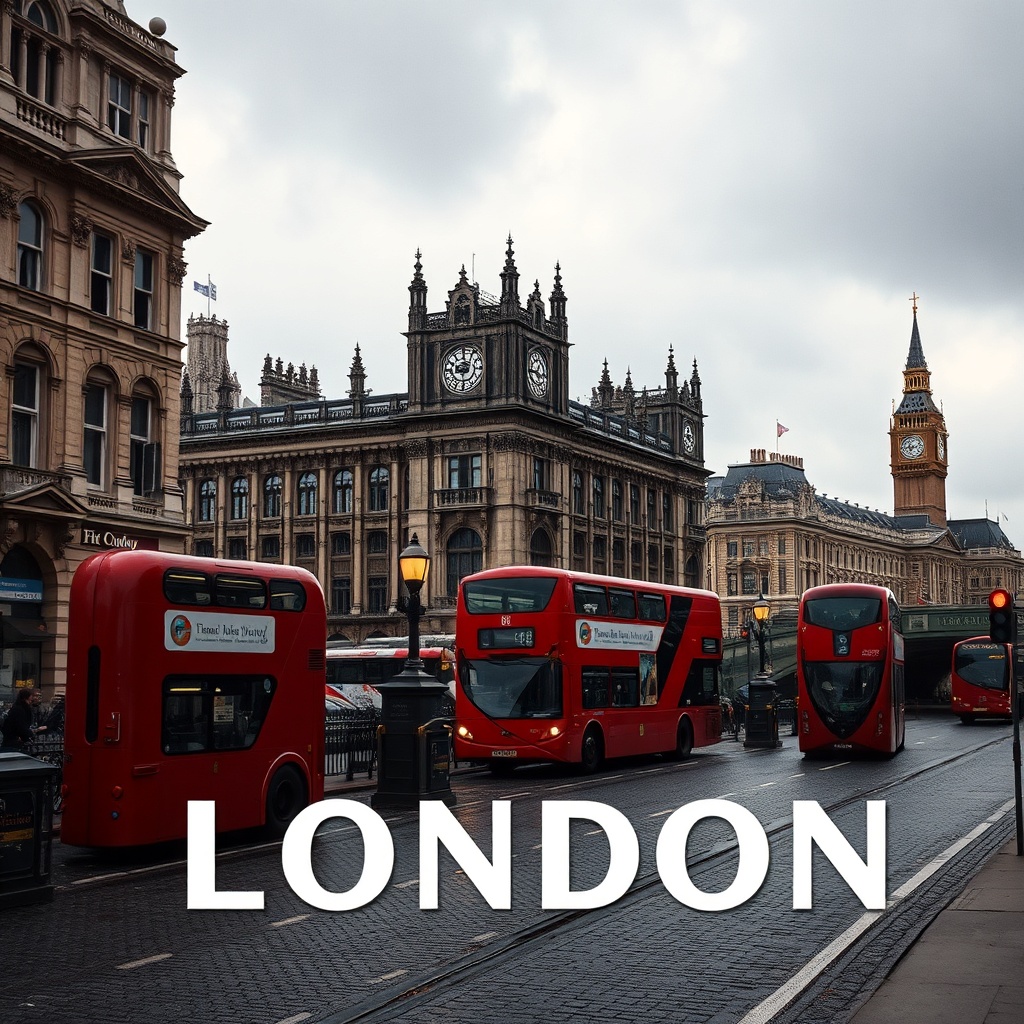
Wartime damage left physical and psychological scars but also cleared space for ambitious redevelopment. Post-conflict planning introduced mixed-use neighborhoods, expansive public housing projects, and new cultural institutions that reimagined the urban core. Later decades saw service industries and international finance dominate, with tech and creative sectors adding fresh energy. The tension between conserving historic fabric and meeting modern needs remains central to urban policy.
Preservation, reuse, and gentrification
Conservation efforts protect iconic landmarks and historic streetscapes, yet adaptive reuse has proven equally important. Warehouses turned into galleries, factories into lofts, and historic markets into culinary destinations illustrate how old structures find new life. At the same time, regeneration can drive rising rents and displacement, raising questions about who benefits from revitalization. Community-led projects and heritage grants often aim to balance preservation with social inclusion.
Walking London as a living museum
Exploring London on foot is the best way to experience its layered history. One block can reveal Roman foundations, a medieval church, a Georgian terrace, and contemporary public art—each era superimposed on the last. Museums, archaeology centers, and guided walks help decode these layers, but so do everyday details: the curve of a street following an ancient boundary, a plaque marking a vanished theatre, or a row of timber-framed buildings tucked between modern facades.
Why it matters
London history is not a static museum piece; it actively shapes housing policy, transport planning, cultural programming, and identity. Recognizing the city’s layered origins helps residents and visitors appreciate the complexity behind its charm—an ever-evolving metropolis where past and present coexist on every corner.
