
London’s story reads like a palimpsest — a city continually written over, its past visible in fragments beneath modern pavement. Walk almost anywhere and you’ll step across layers that span from Roman foundations to glass towers, each era leaving traces that shape today’s streets, skyline, and culture.
The river at the heart of the city is the oldest storyteller. For millennia, the Thames has guided trade, travel, and settlement, drawing people to its banks long before the city became a political and commercial center. Roman builders established a fortified port and grid of streets close to the river, and sections of that original layout still influence the pattern of lanes and alleys in the historic core.
Medieval life concentrated around markets, guildhalls, and parish churches.
Narrow lanes and timber-framed houses formed neighborhoods that hummed with craftsmen, merchants, and pilgrims.
Many familiar place names and street patterns date from that period, and wandering the older quarters reveals echoes of the medieval city in courtyards, churches, and surviving architecture.
Catastrophic fire reshaped urban thinking and design.
The destruction of large swathes of the city led to ambitious rebuilding that favored stone and brick over timber, wider streets, and new civic architecture.
That era also produced some of the city’s most iconic monuments, including a magnificent cathedral whose dome still dominates the skyline and was the center of a bold program of parish church rebuilding led by one visionary architect.
Industrial expansion transformed the city again, as docks, warehouses, and railways grew along the river and beyond. The shift to mechanized production and mass transport altered demographics and daily life, turning the city into a global hub of commerce and culture. The docklands and trading houses established a pattern of wealth and urban sprawl that fed later waves of development.
The city’s resilience became apparent during severe aerial bombardment that damaged large parts of the urban fabric. Recovery required balancing preservation and modern needs, producing innovative approaches to reconstruction and public housing. The post-crisis years set the stage for debates that continue today: how to honor heritage while accommodating population growth, housing demand, and contemporary architecture.
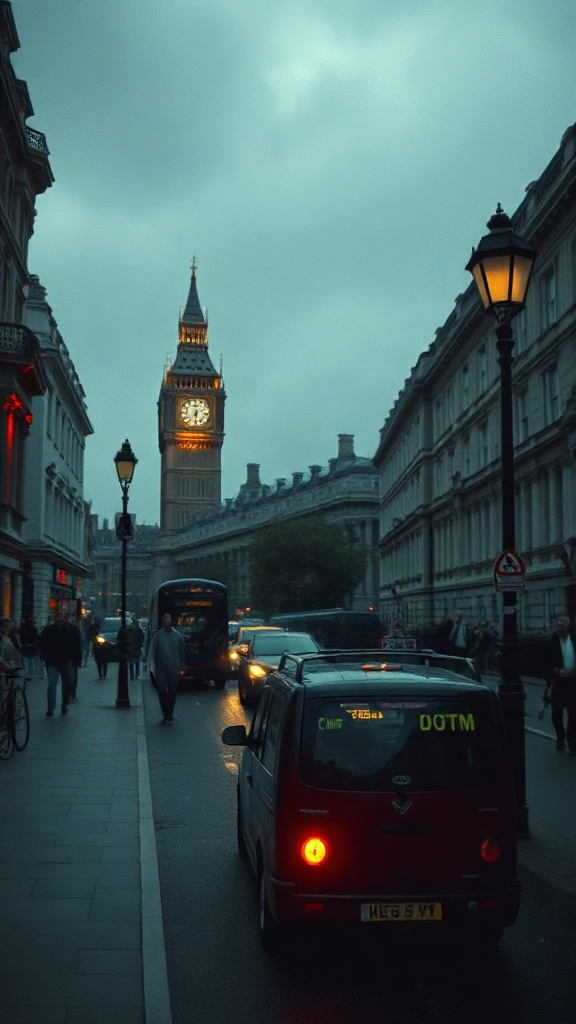
Archaeology plays a huge role in connecting present-day visitors with these layers. Excavations and conservation projects routinely reveal Roman walls, medieval foundations, and Victorian infrastructure beneath streets and building sites. Museums and heritage centers collect these finds, offering tangible links to past daily life — pottery, coins, building fragments, and even entire street sections uncovered during redevelopment.
The tension between preservation and development is a defining theme of modern urban policy. Iconic historical landmarks sit beside cutting-edge structures, each vying for public memory and skyline prominence. Conservationists argue for protecting sightlines, old fabric, and neighborhood character, while developers point to economic vitality and the need for modern infrastructure. This ongoing conversation shapes planning decisions and influences how residents and visitors experience the city.
For curious explorers, there are endless ways to connect with these layers: walk the river pathways, trace surviving sections of the old defensive wall, visit living markets that have traded for centuries, and enter museums that map the city’s physical and social transformations. Listening to guided walks or following themed routes — from Roman beginnings to industrial expansion — reveals how successive generations have reinvented the city while carrying forward traces of what came before.
The city’s history isn’t confined to textbooks; it’s visible in its layout, in the names of its streets, in the coexistence of old and new.
That continuum invites discovery and reflection — a reminder that urban life is constantly remade by people who inherit, adapt, and add new chapters to a story that is still unfolding.
