
Layers of London: How the City’s Past Shapes Its Present
London’s streets are a living museum.
Beneath the rush of commuters and the gleam of glass towers lies a continuous thread of history that shapes neighborhoods, architecture, and culture.
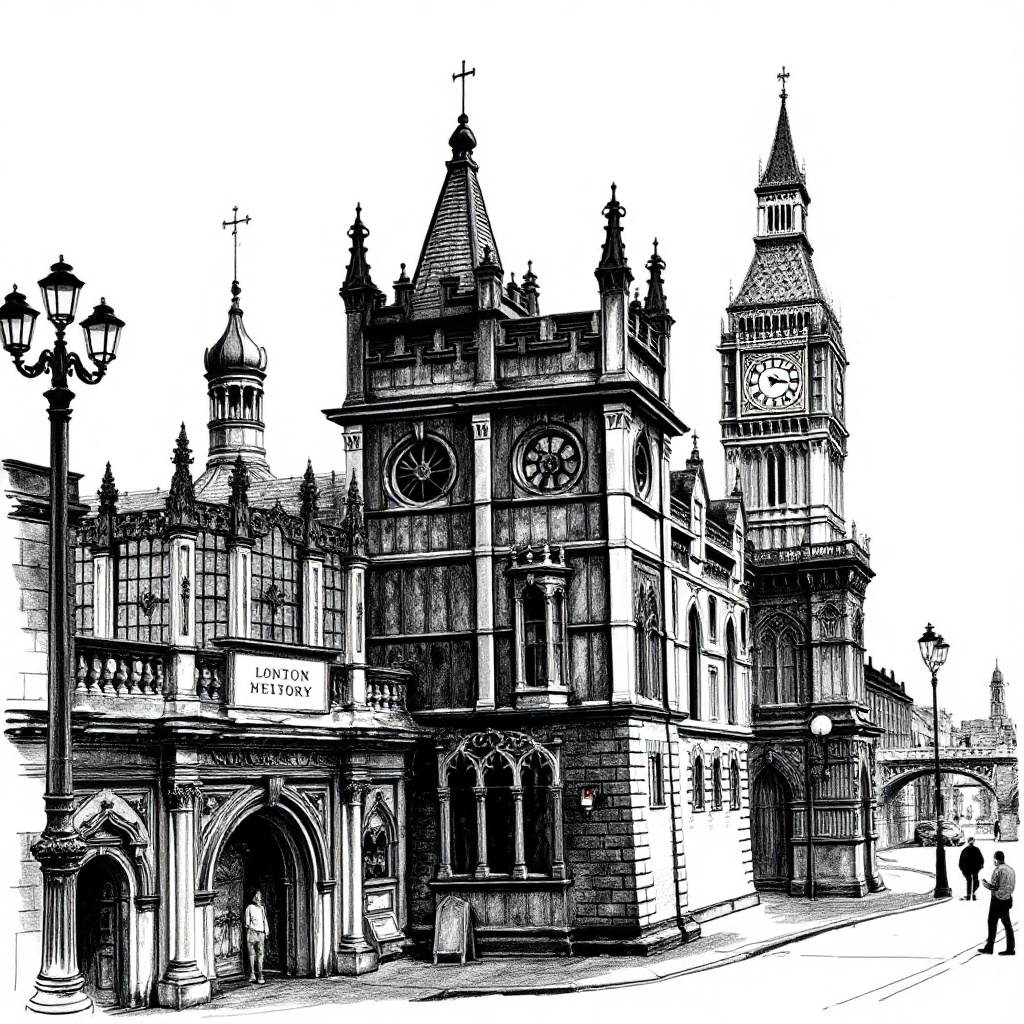
Understanding these layers helps reveal why London feels both ancient and constantly renewing.
The river as origin story
The River Thames is central to London’s identity. Originally a natural harbor and crossing point, the Thames drove early settlement patterns and trade. Its banks preserve traces of Roman quays, medieval docks, and Victorian engineering.
The tidal river also acts as a time capsule: objects lost or discarded along its shores turn up during low tides and construction work, offering unexpected glimpses of daily life across ages.
Street patterns and hidden grid
Many of London’s lanes follow routes laid out long before modern planning. Narrow alleys and winding streets often reflect medieval property boundaries and market routes, while broader avenues mark later phases of urban renewal. Walking from a narrow court to a grand thoroughfare is a physical experience of the city’s palimpsest—new layers written atop older ones without completely erasing them.
Building types and adaptive reuse
London’s architectural diversity—from timber-framed houses to stately townhouses and Victorian warehouses—tells a story of evolving needs. In recent decades, adaptive reuse has become a common theme: warehouses converted into apartments and offices, former churches turned into galleries, and historic factories reinvented as cultural hubs.
This approach balances preservation with practical reuse, keeping heritage alive by giving it contemporary function.
Transport and transformation
Mass transport has repeatedly reshaped the city. Early bridges and ferries concentrated activity around river crossings; later, underground tunnels and commuter rail created new growth corridors. Major infrastructure projects often prompt archaeological discoveries, revealing forgotten streets, cemeteries, and workshops. Each transport innovation has both connected disparate neighborhoods and catalyzed redevelopment.
Public memory and contested heritage
How London remembers its past is an ongoing conversation.
Monuments, museums, and plaques guide public narratives, but voices advocating broader representation have gained traction. Debates over which stories are celebrated—imperial triumphs, industrial achievements, local trades, or marginalized communities—illustrate how history is curated as much as it is uncovered. Community-led history projects increasingly reclaim neglected narratives, ensuring that urban memory reflects diverse experiences.
Archaeology in the modern city
Archaeological work often occurs in the shadow of cranes and scaffolding.
Developers and archaeologists collaborate more frequently now to document finds before they’re lost to progress.
Portable technology, better recording methods, and public outreach mean discoveries are shared widely, not tucked away in specialist reports.
Museum displays and digital archives help turn once-hidden artifacts into shared civic treasure.
Living history and everyday discovery
Part of London’s charm is how history is woven into ordinary life. Market stalls, pubs, and local festivals perpetuate traditions dating back centuries.
Street names and building facades offer clues for curious walkers, and free or low-cost heritage walks make history accessible to residents and visitors alike. The best way to experience London’s past is on foot—letting architecture, signage, and the river guide a personal exploration.
Preservation with purpose
Protecting historical assets while accommodating growth is an ongoing balancing act. Conservation areas, listed buildings, and careful planning are tools used to manage change. Successful projects marry respect for the past with contemporary needs, creating spaces that honor history without becoming static.
Whether drawn by grand monuments or small discoveries in a construction trench, those who explore London will find a city continuously reinventing itself. Its history isn’t confined to museums—it’s lived in the streets, repurposed in buildings, and reinterpreted by communities that keep the story evolving.
