
Buckingham Palace: what to know about the heart of Britain’s public monarchy
Buckingham Palace remains an iconic blend of ceremonial spectacle, art-filled interiors and behind-the-scenes governance.
More than just a royal residence, it functions as the working headquarters for official duties, a major public attraction and a symbol used worldwide during national moments.
What makes the palace special
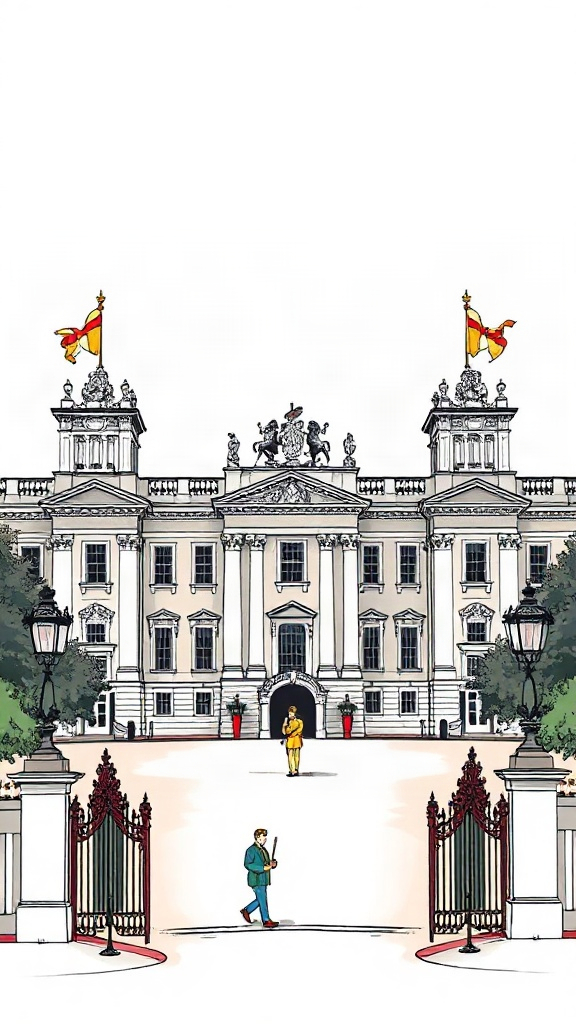
The palace sits at the center of state life, hosting investitures, state banquets and official receptions. Visitors flock to the forecourt for the changing of the guard, a choreographed pageant that combines military precision with colourful dress — one of the simplest ways to experience Britain’s ceremonial traditions up close.
Inside, the State Rooms offer a glimpse of royal life and a world-class art collection.
Furnishings, tapestries and paintings from the Royal Collection line the grand salons, where guests are received and formal events take place. Tours of the State Rooms give access to opulent reception rooms, the Picture Gallery and the Throne Room, while temporary exhibitions occasionally highlight highlights from the collection or recent conservation projects.
A living, working building
Although instantly recognisable for its facade and balcony appearances, the palace is also a functioning office hub. Staff manage correspondence, policy briefings, event logistics and diplomatic visits — all carried out within a historic yet increasingly modernised environment. Ongoing conservation and upgrade programmes aim to safeguard the building’s fabric while improving energy efficiency and visitor facilities, balancing heritage preservation with contemporary needs.
Gardens, wildlife and behind-the-scenes spaces
The palace gardens are among the largest private green spaces in central London. These grounds host summer garden parties, provide a setting for outdoor receptions and support surprising biodiversity: flower meadows, beehives and vegetable plots that help supply kitchen needs for large events.
The gardens also double as a staging area for pageantry and a quiet retreat for official residents.
Nearby, the Royal Mews provides an insight into ceremonial transport. Historic carriages and the state horse-drawn vehicles remain part of ceremonial life, while the mews’ stables and workshops maintain the horses and coaches used for state occasions.
Visiting and public engagement
Public access is seasonal and typically includes guided or self-guided tours of the principal State Rooms, with ticketing and timed entry designed to protect the art and ensure a quality experience.
Special exhibitions and conservation displays add fresh reasons to return, and digital offerings — virtual tours, video highlights and curated online galleries — make parts of the palace accessible to a global audience.
Security and public interface
High-profile locations require robust security measures, and the palace is no exception.
Access is carefully managed for public events and visits, with clear guidance for visitors.
The forecourt and surrounding public spaces remain important meeting points for locals and tourists alike, especially on ceremonial days.
Why it still matters
Buckingham Palace endures as a living symbol that combines tradition with contemporary civic roles. Whether experienced through a visit to the State Rooms, watching an outdoor ceremony, or following exhibitions online, it offers layered stories: architectural evolution, centuries of collected art, and the day-to-day work behind national ceremonies. For anyone interested in ceremonial culture, conservation or royal history, the palace provides an evolving, accessible window into Britain’s public life.
