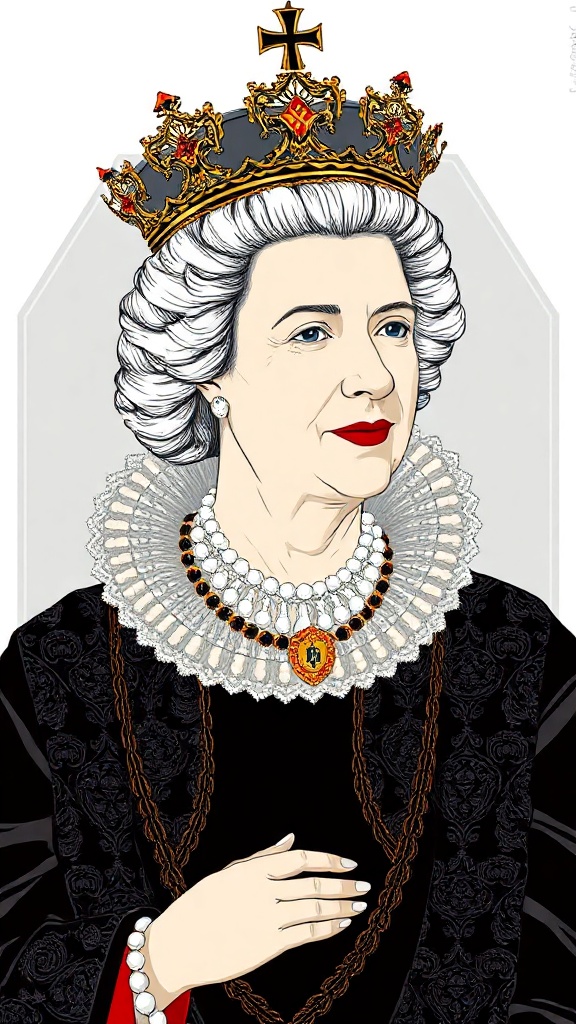
Queen Elizabeth’s enduring legacy reaches far beyond ceremonial pageantry.
Her decades-long role as monarch reshaped how the institution connects with the public, how the Commonwealth engages with modern issues, and how royal service is understood around the world.
A steady constitutional custodian
At the heart of her legacy is a steadfast commitment to the constitutional role of the monarchy. Known for impartiality and continuity, she navigated changing political landscapes while maintaining the ceremonial and symbolic duties that define a constitutional monarch. Her weekly meetings with prime ministers, state openings of parliament, and measured public statements reinforced the idea of the crown as a unifying institution above party politics.
Modernizing a centuries-old institution
While steeped in tradition, the monarchy under her stewardship adapted to changing public expectations. Greater transparency, selective media access to royal events, and the introduction of televised ceremonies broadened public engagement. These shifts helped the monarchy remain visible and relevant, balancing time-honored rituals with contemporary communication practices that acknowledge a global, digitally connected audience.
Global diplomacy and the Commonwealth
Her role as head of the Commonwealth amplified soft-power diplomacy.
State visits, tours, and diplomatic receptions strengthened ties between nations and brought attention to collaborative projects in education, development, and cultural exchange.
Her presence often provided a neutral, stabilizing platform for dialogue and goodwill across diverse member states.
Philanthropy and public service
Philanthropy was central to her public life. As patron of hundreds of charities and organizations, she championed causes ranging from environmental conservation to veterans’ welfare and the arts.
Royal patronage helped raise profile, funding, and legitimacy for grassroots initiatives and national institutions alike.
Beyond fundraising, her presence at events signaled institutional support that often translated into sustained public interest.
Cultural influence and style
Her personal style and public image left an unmistakable mark on fashion and visual culture. Iconic wardrobe choices and carefully curated public appearances became a model for understated dignity and consistency.
Portraits, stamps, and coins bearing her likeness are now part of global cultural memory, while museums and exhibitions regularly feature objects from her private and public life.
Memory, media, and popular culture
Public fascination with her life and role has inspired a wealth of biographies, documentaries, dramas, and exhibitions.
These portrayals have varied in tone—from reverent to critical—but together they reflect society’s enduring curiosity about monarchy, duty, and power. Archival materials, royal correspondence, and state records continue to be examined by historians and the public, offering new insights into both the individual and the institution.
Visiting the legacy
Royal residences and collections offer tangible ways to explore this legacy. State rooms, exhibitions, and curated displays invite visitors to consider the ceremonial, artistic, and domestic aspects of royal life.
For those interested in a deeper dive, public archives and curated exhibitions provide context, artifacts, and commentary that illuminate the personal and public dimensions of her reign.
Why it still matters
Her influence remains visible across civic life, diplomacy, charity, and culture. Whether viewed through the lens of constitutional practice, soft diplomacy, or cultural symbolism, the legacy offers lessons on leadership, service, and adaptation. For anyone curious about modern monarchy, exploring her life provides a rich case study in balancing tradition with the demands of a changing world.
Explore exhibitions, official collections, and reputable biographies to see how this multifaceted legacy continues to shape public life and cultural memory.