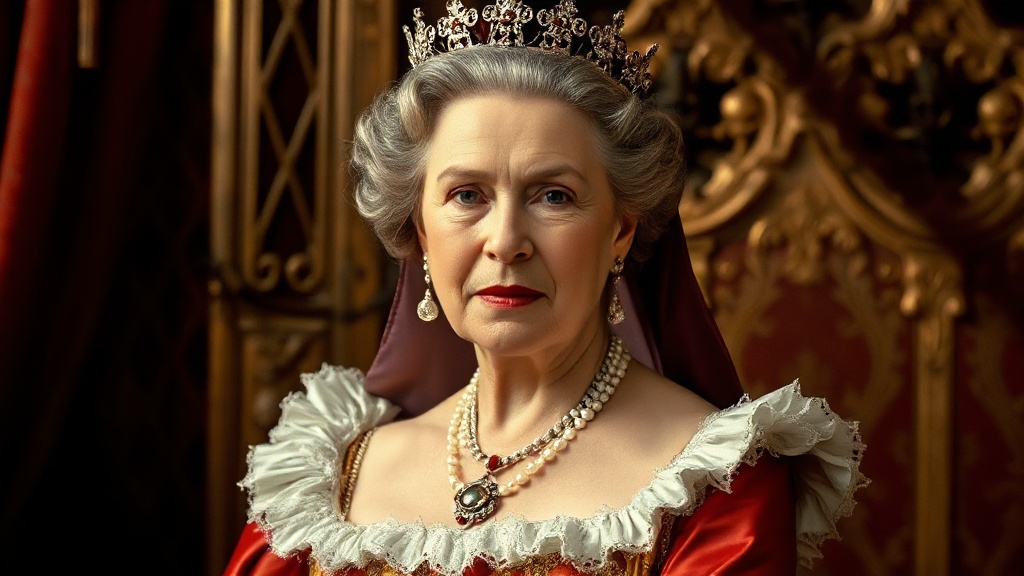
Queen Elizabeth’s Enduring Legacy: Service, Style, and Symbolism
Few public figures have left as pervasive a mark on public life as Queen Elizabeth. Her legacy extends beyond royal protocol; it’s woven into public institutions, cultural memory, charitable work, and even everyday objects like coins and stamps. That combination of continuity, visible public service, and distinctive personal style explains why interest in her life and impact remains strong.
A model of duty and continuity
At the heart of Queen Elizabeth’s appeal was a steady public presence. Known for a disciplined work ethic and careful observance of ceremonial and constitutional duties, she became a symbol of continuity in turbulent times. That steadiness helped anchor public institutions and provided a recognizable face for the monarchy across changing social and political landscapes. Conversations about leadership and civic responsibility frequently point to her example of lifelong public service.
Fashion and visual identity
Her fashion choices grew into a subtle brand: brightly colored coats and matching hats, a compact handbag, and an unmistakable silhouette. Those visual cues weren’t just about aesthetics; they served practical purposes, ensuring visibility in crowds and clear recognition at public events.
Fashion houses, museums, and retailers still study and reference her wardrobe as a case study in personal branding—how consistent, purposeful style can both humanize a public figure and amplify symbolic presence.
Philanthropy and patronage
Queen Elizabeth’s long-standing role as patron of numerous charities and organizations created a ripple effect across the nonprofit sector. Royal patronage raised profiles, helped secure funding, and spotlighted causes ranging from health and education to conservation and the arts. Many charitable programs still cite her patronage as pivotal to their development, and new initiatives often seek the continuity of royal association to boost visibility and trust.
Cultural memory and public commemorations
Museums, archives, and public memorials continue to shape how people encounter her life and reign. Exhibitions, digitized archives, and curated displays bring personal items, official outfits, and correspondence into public view, allowing fresh interpretations of her role and responsibilities.
Statues, plaques, and named public spaces reflect how communities choose to remember her, while contemporary artists and writers keep reexamining her image and influence through new lenses.
Global resonance and evolving debates
The global reach of Queen Elizabeth’s image—through state visits, diplomatic engagements, and ceremonial roles—meant her life was part of broader conversations about monarchy, national identity, and post-colonial relationships.
Those conversations have evolved, and public debate now often focuses on how royal histories intersect with present-day values. Her legacy prompts reflection on how institutions adapt to modern expectations while preserving tradition.
Why the interest persists
Interest in Queen Elizabeth endures because she embodied a blend of the ceremonial and the accessible. The personal stories—handwritten notes, family anecdotes, or small acts of kindness—combine with grand state occasions to create a multi-dimensional public figure. For historians, cultural commentators, and the general public, she remains a lens through which to explore leadership, symbolism, and national story-telling.
Today, the many ways Queen Elizabeth shaped public life—through example, patronage, and image—continue to influence how people think about service, tradition, and change. Her legacy invites ongoing discussion about the role of symbolic leaders in contemporary society and how history is remembered and reinterpreted across generations.