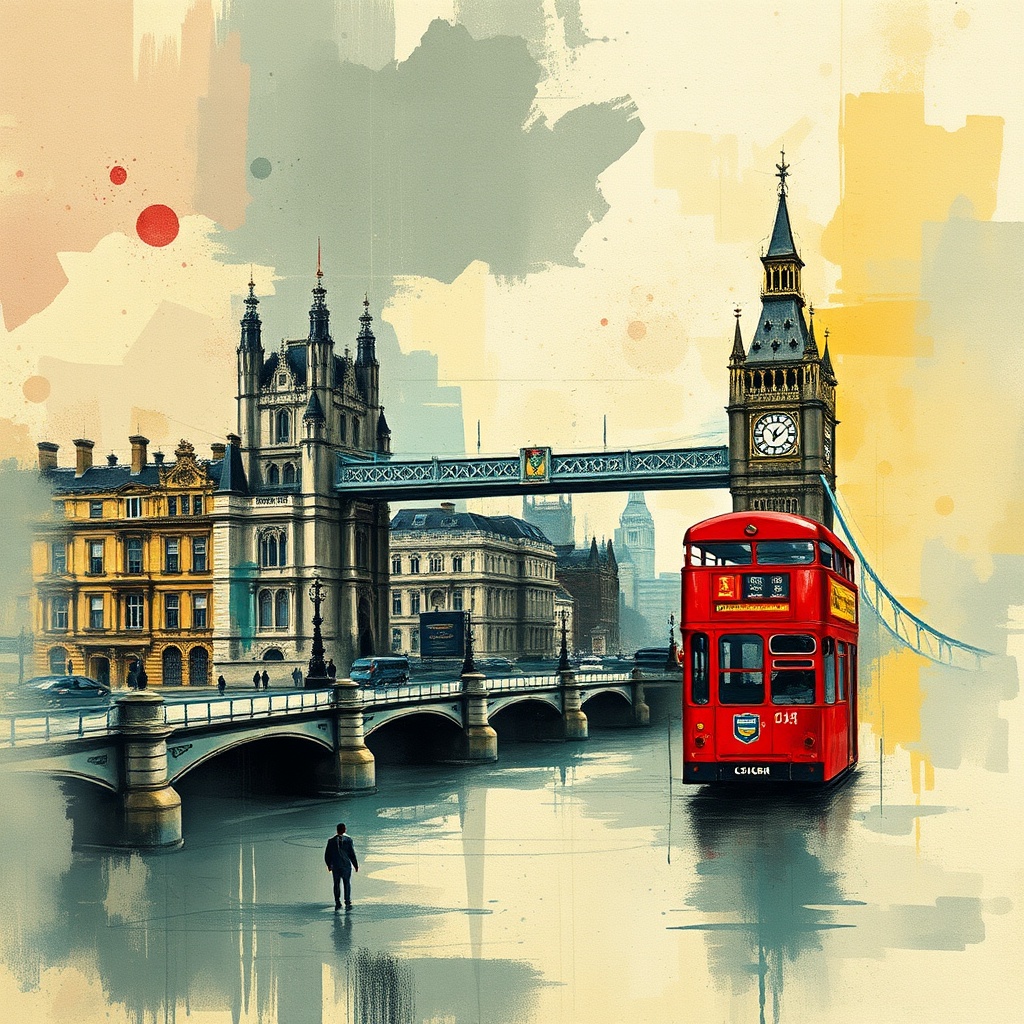
London wears its past visibly, with layers of history stacked beneath glass towers and cobbled alleys. For anyone curious about how a riverside trading post became a global capital, the city offers vivid, walkable clues: Roman foundations, medieval merchants, dramatic rebuilds after catastrophe, and the infrastructure that powered an industrial boom.
Roman Londinium still shapes the city grid. Walk near the river and you can find stretches of Roman wall and exposed pavement, reminders of an early settlement built around a strategic crossing of the Thames. Archaeological finds—coins, pottery, and the footprint of an amphitheatre—are displayed in museums and scattered exhibition spaces, making Roman life surprisingly tangible for modern visitors.
Medieval markets and guilds defined civic life next. Narrow lanes off the main thoroughfares hide guildhall courtyards and ancient churches where trade, law, and religious observance intersected. The City of London retains a distinct municipal identity, with livery companies that trace their roots to craft regulation and charity. These institutions helped shape urban governance, finance, and philanthropy in ways that echo still through the Square Mile’s ceremonies and charitable trusts.
The river itself is central to London’s story. The Thames was the city’s highway, bringing timber, grain, and goods from overseas and inland. Riverside industries—shipbuilding, rope-making, and wharves—dotted its banks, then moved or vanished as docks relocated and container shipping modernized. Today’s riverfront redevelopment has revealed old wharf structures and revived public access, turning history into scenic promenades and cultural venues.
Catastrophic events reshaped London physically and socially. Massive fires and outbreaks prompted waves of rebuilding and evolving regulations for housing, trade, and public health. Rebuilding efforts introduced new architectural ideas, wide avenues, and public squares that transformed urban density and circulation. Notable architects and planners left an enduring legacy in churches, public buildings, and the layout of rebuilt neighborhoods.
The industrial age layered new infrastructure over older streets: rail termini, Victorian bridges, and the subterranean arteries of the underground. Stations became gateways to suburban expansion while bridges stitched south and north banks closer together.
Industrial growth also spawned philanthropic institutions, museums, and public parks intended to improve urban life, many of which remain lively cultural hubs.
Modern archaeology continues to update the story. Development projects routinely uncover fragments—from cellar complexes to human remains—prompting careful excavation and reinterpretation of known narratives. Museums and on-site displays make these findings accessible, helping residents and visitors read the city like a palimpsest.
Where to experience this layered history:
– Walk the Roman and medieval edges near the river to spot walls, amphitheatre outlines, and narrow alleys.
– Visit civic spaces and guildhalls that preserve medieval governance customs and architecture.
– Explore museum collections that focus on London’s urban evolution, from pottery and coins to reconstructed streets.
– Stroll along regenerated docklands and riverside promenades to see how industrial sites have been repurposed.
– Take a guided walking tour that connects architectural eras and highlights hidden historical sites.
London’s history is not a static museum piece; it’s an active element of urban life. Each redevelopment, conservation project, or archaeological dig adds fresh detail, ensuring that the city’s story remains engaging and open to discovery. Whether drawn to ancient foundations or industrial artifacts, a visit with attentive eyes reveals how successive generations layered commerce, catastrophe, creativity, and resilience into the streets and skyline.