
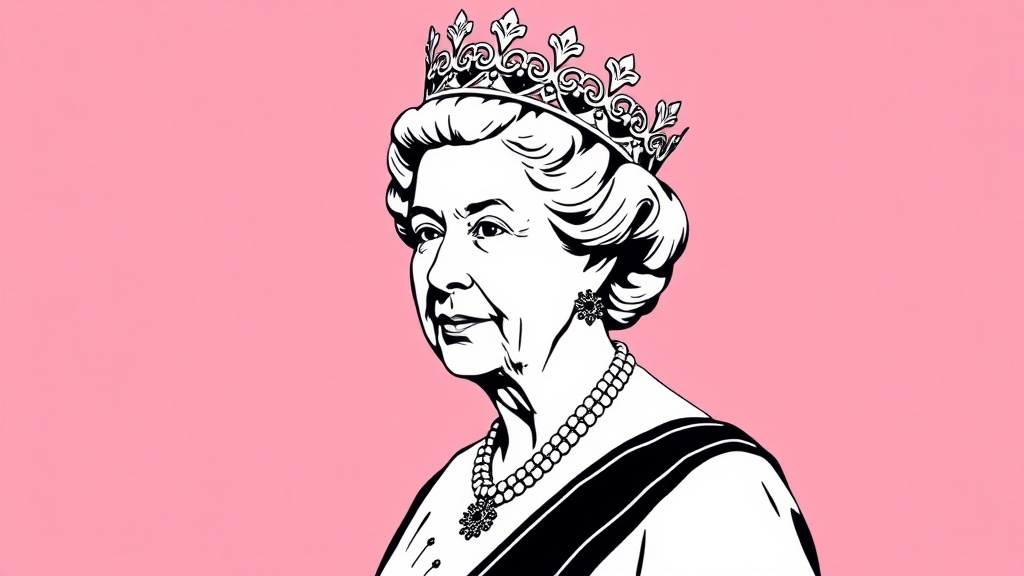
Few public figures have shaped modern ceremonial life and popular culture as distinctly as Queen Elizabeth II. Her presence—seen in portraits, on currency, and through countless public engagements—has left a cultural imprint that continues to influence fashion, protocol, and the institution of monarchy itself.
Signature style and symbolism
One of the most recognizable aspects of the queen’s public persona was her carefully curated wardrobe. Brightly colored coats and matching hats were a practical choice: visibility in a crowd ensured well-wishers could spot her from a distance. Accessories carried coded messages too. Gloves, brooches, and handbags weren’t just fashion statements; they were tools of etiquette and occasionally a discreet way to signal aides during engagements. Pearls and classic cuts became synonymous with a form of royal elegance that many brands and stylists still reference when creating formal collections.
Jewels and regalia with stories
The royal jewels carried deep historical resonance.
Pieces in the Royal Collection and the Crown Jewels are not merely ornaments but symbols of constitutional continuity and national heritage. Brooches passed down through generations frequently appeared on the queen’s lapel, each with its own provenance and emotional connections to state visits, family milestones, or diplomatic gifts. These items continue to draw fascination from historians, jewelers, and the public alike for their craftsmanship and layered meanings.
A modernizing monarch
While steeped in tradition, the queen also presided over notable adaptations that helped align a centuries-old institution with contemporary expectations. Embracing new media allowed the monarchy to reach wider audiences; televised addresses and public broadcasts became vehicles for personal connection at moments of national significance. The balance she maintained—between ceremonial duty and quiet constitutional restraint—served as a template for heads of state who navigate public life in an era of instant communication.
Public engagement and charitable work
The queen’s role as a patron of hundreds of organizations amplified causes across the arts, education, and social services. Royal patronage often brought visibility and credibility to charities, helping them reach donors and policymakers who might otherwise have been out of reach. The pattern of regular visits to institutions and communities underscored a hands-on approach to public service that many nonprofit leaders continue to emulate when seeking long-term partnerships.
Cultural legacy and lasting influence
Beyond formal duties, the queen’s cultural footprint is seen in countless small ways: the popularity of corgis as a cultural motif, the fascination with royal residences and gardens, and the enduring interest in state ceremonies.
Museums, exhibitions, and retrospectives regularly explore these themes, drawing audiences who want to understand both the pageantry and the person behind it.
Why it still matters
The interplay between tradition and adaptation embodied by the queen offers lessons for public life and leadership. Whether one follows royal affairs closely or simply observes from afar, the rituals, symbols, and personal touches that marked her public role continue to shape conversations about national identity, ceremony, and service. As museums, media, and families revisit these stories, they remind new generations why such a figure captured global attention and why those traditions still resonate.
