
Queen Elizabeth’s life and legacy remain a source of global fascination, blending ceremony, service, and personal style into a singular national symbol.
Beyond the pageantry often associated with monarchy, her story offers lessons about continuity, adaptability, and the soft power of tradition.
A lifetime of public service
At the heart of Queen Elizabeth’s public appeal was a consistent message of duty. Her role as head of state involved countless public engagements, patronages, and ceremonial duties that reinforced a sense of national continuity. Charitable organizations and cultural institutions benefited from long-term royal patronage, and those relationships helped raise public awareness and funding for causes spanning the arts, health, education, and conservation.
Ceremony and soft diplomacy
Royal ceremonies—state visits, investitures, and public commemorations—are more than spectacle. They function as instruments of soft diplomacy and national identity. Hosting foreign leaders, receiving ambassadors, and participating in state occasions provided continuity and a neutral point of contact during complex international moments. Royal symbolism, carried through these rituals, continues to play a role in how the nation presents itself to the world.
Modernization amid tradition
One notable aspect of the modern monarchy under Queen Elizabeth was the balance between deep-rooted traditions and careful modernization.
The institution gradually embraced new media and communication channels to reach broader audiences, making previously private rituals more visible and accessible.
This cautious modernization helped maintain relevance, especially among younger generations who value transparency and accessibility in public life.
Cultural impact and popular image
Queen Elizabeth’s image—captured in portraits, coins, stamps, and state regalia—became part of everyday life. Her fashion choices and signature styles often sparked public interest and influenced designers, while state gifts and official photographs found their way into museum collections and traveling exhibitions. The royal narrative also inspired countless portrayals in film, television, and literature, reflecting and shaping public perceptions of monarchy, history, and national identity.
Preserving history and memory
Royal archives, public exhibitions, and preserved state rooms provide tangible links to a long institutional memory. Museums and cultural institutions continue to display garments, correspondence, and gifts that document the ceremonial and personal side of royal life. These collections offer resources for historians and the public alike, allowing future generations to explore how monarchy intersected with social and political change.
Ongoing public conversation
The monarchy’s role in contemporary society remains a subject of lively public debate. Discussions about constitutional function, public funding, and cultural relevance are ongoing, reflecting broader questions about national identity and governance. At the same time, many people emphasize the stabilizing and unifying aspects of the crown, especially during moments of national reflection or celebration.
Why it still matters
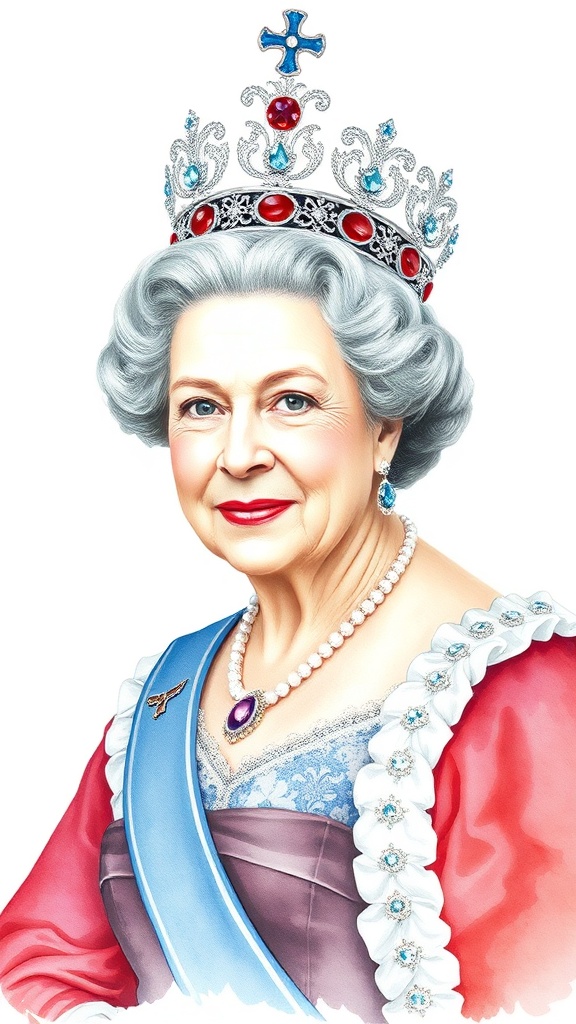
Queen Elizabeth’s legacy goes beyond headlines. It’s visible in institutions shaped by long-term patronage, in ceremonial practices that anchor civic life, and in cultural memory preserved in public collections. Whether one views monarchy through lenses of tradition, accountability, or cultural heritage, the continuing conversations about its role underscore the enduring impact of a figure who combined visible ceremony with decades of public service. The ways that institutions adapt and respond will shape how that legacy is carried forward.
