
Few public figures have come to represent continuity and duty as strongly as Queen Elizabeth. Whether viewed through the lens of tradition or contemporary leadership, her presence shaped how constitutional monarchies engage with the public, the media, and the broader world. Her image—seen on coins, stamps, and portraits—became a quietly persistent symbol of national identity and ceremonial stability.
At the heart of that influence is the constitutional role: a sovereign who performs ceremonial duties while remaining politically neutral. These routines—formal audiences with government leaders, the State Opening of Parliament, and the granting of honours—are small cogs in constitutional machinery, but they matter. They offer a public ritual that reinforces the rule of law and the transfer of power in a predictable, nonpartisan way. That predictability helps stabilize democratic systems by providing a lasting institution that exists above day-to-day politics.
Soft power and diplomacy are another big part of the picture.
Royal visits, meetings with foreign leaders, and membership of the Commonwealth created platforms for relationship-building that often complemented official diplomacy.
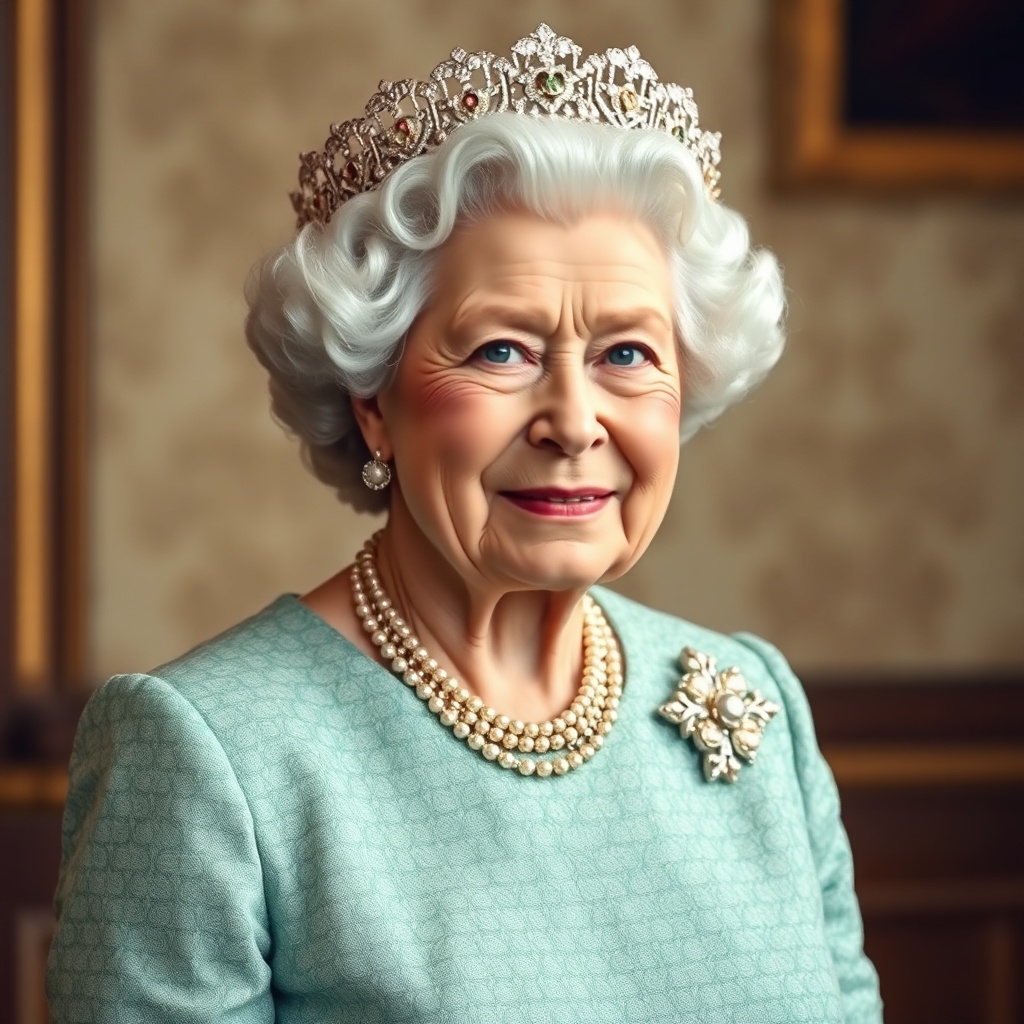
The monarchy’s ability to attract attention can spotlight causes, strengthen bilateral ties, and showcase cultural heritage in ways that traditional government channels sometimes cannot. Many charities and public institutions benefited from royal patronage, gaining visibility and fundraising momentum that translated into real-world impact.
Cultural resonance extends beyond formal roles. Fashion choices, public appearances, and family stories turned the royal household into a constant topic for media and public discussion.
Historic residences—palaces, castles, and country homes—became both working centers of statecraft and attractions that drive tourism.
The Crown Jewels and ceremonial regalia remain potent symbols that draw visitors and inspire artistic interpretations across theatre, film, and literature.
There’s also a clear economic side to royal visibility.
Major royal events generate spikes in tourism, broadcast audiences, and retail sales for memorabilia and licensed products. For many local businesses, these moments provide a measurable boost. Museums, guided tours, and exhibitions centered on royal history sustain cultural sectors and create jobs linked to heritage tourism.
Adaptation has been a recurring theme.
The monarchy gradually embraced modern communication channels to remain accessible to younger and wider audiences. Digital engagement, more transparent communications, and an evolving public-facing role helped maintain relevance without abandoning core traditions. Equally important is the shift in focus toward causes that resonate broadly—veterans’ welfare, environmental stewardship, education, and mental health—leveraging public attention for practical social outcomes.
The legacy of Queen Elizabeth is therefore multifaceted: symbolic continuity, constitutional function, diplomatic soft power, cultural influence, and measurable economic impact.
Whether discussed at the level of ceremony or public service, the royal institution continues to provoke debate about relevance and reform, while also demonstrating how ceremonial leadership can be repurposed to support civic life. For citizens, historians, and policy observers alike, that ongoing conversation about balance—between tradition and modernization, symbolism and service—remains one of the most compelling facets of contemporary monarchy.
