
Few public figures have shaped modern perceptions of monarchy as profoundly as Queen Elizabeth. Her presence blended ceremony with quiet duty, creating a model of steady constitutional leadership that became central to how contemporary monarchies operate. That blend—tradition tempered by measured modernization—remains a touchstone for discussions about royal relevance, public trust, and national identity.
A symbol of continuity and duty
For many, the Queen embodied continuity during times of rapid social and political change.
Her public image—measured speeches, carefully curated appearances, and a calendar of civic engagements—reinforced the idea that the monarchy serves as a stabilizing symbol above party politics. That image helped preserve public confidence in the institution even as expectations for transparency and accountability evolved.
Modernizing while preserving tradition
One of the most striking aspects of the Queen’s tenure was the careful modernization of royal practices without abandoning historic ceremony.
The monarchy adopted new forms of outreach—televised addresses, televised events, and expanded public accessibility—while retaining pageantry that connects millions to a sense of national and cultural heritage. This balance allowed the royal household to remain relevant to younger generations while honoring long-standing rituals.
Global and charitable impact
The Queen’s role extended well beyond ceremonial duties at home. As a unifying figure for a wide network of nations, she played an important part in sustaining diplomatic and cultural ties across diverse communities. Equally significant was her patronage of hundreds of charities and public institutions.
Royal patronages helped amplify causes from conservation and healthcare to education and the arts, lending sustained public attention and fundraising momentum to many organizations.
Media, memory, and cultural portrayals
Media coverage and creative portrayals have both reflected and shaped the public’s understanding of the Queen. Documentaries, dramatizations, and commemorative programming have examined the human side of monarchy—the personal sacrifices alongside public duty—making the story resonate with audiences beyond those already interested in royal affairs. Social media and online archives preserve speeches, photographs, and official documents, ensuring that the narrative remains accessible for research, reflection, and public debate.
Contested moments and evolving expectations
No long public life is without controversy. Debates over privacy, the role of the monarchy in modern democracy, and the handling of family matters sparked robust public conversation. Those moments prompted reflection on how hereditary institutions should adapt to contemporary norms, and they contributed to broader conversations about leadership, accountability, and public service.
A lasting institutional influence
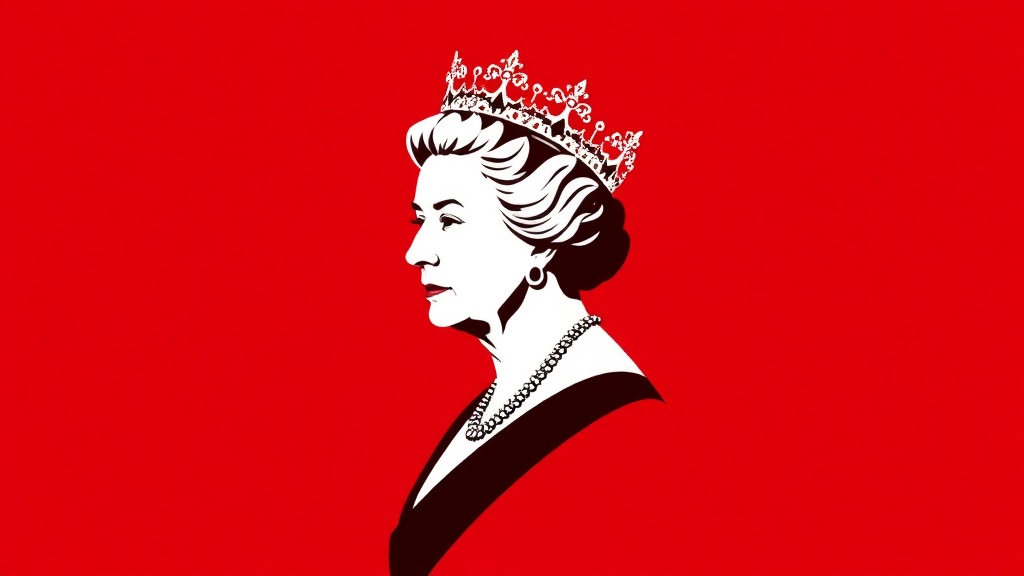
Perhaps the most enduring legacy is institutional: the way the monarchy itself adapted to changing times while remaining recognizable. Succession and ceremonial continuity, the use of public communication channels, and a focus on charitable engagement continue to guide how royal households present themselves and engage with citizens. The Queen’s example of combining symbolic authority with low-key, sustained public service remains a template for modern constitutional monarchy.
Why it still matters
Interest in the Queen persists because her life touched on themes that are perennial: duty versus privacy, tradition versus change, and the role of symbolic leadership in democratic societies. Whether discussed in classrooms, media pieces, or conversations about national identity, the story of Queen Elizabeth offers insights into how institutions evolve and how public figures can leave a complex but enduring mark on civic life.
