
Queen Elizabeth: a lasting symbol of service, continuity, and cultural influence
Few public figures have shaped modern perceptions of monarchy like Queen Elizabeth. Her long tenure transformed a historic institution into a familiar presence in everyday life, blending ceremonial duty with moments of personal warmth that resonated across generations.
Today, her legacy continues to influence the monarchy, public institutions, and popular culture.
A life defined by duty and visibility
At the heart of Queen Elizabeth’s appeal was a consistent public commitment to duty. She cultivated a persona of calm steadiness during times of national change, and that steadiness helped preserve the monarchy’s relevance.
Her role as head of state in constitutional affairs, combined with softer duties—patronage of charities, military associations, and public engagements—created an image of service rather than spectacle. That approach reshaped expectations about what modern royalty should be: visible, approachable where possible, and deeply respectful of civic institutions.
Modernization and the royal household
Under Queen Elizabeth’s stewardship, the royal household adapted to new media and social realities. Official communications embraced television broadcasts, then websites and social platforms, bringing royal events to wider audiences and demystifying many ceremonial moments. The palace’s embrace of digital outreach and carefully staged public appearances helped the monarchy navigate changing cultural attitudes while retaining core traditions.
Cultural imprint and representation
Queen Elizabeth became a frequent subject in film, television, theatre, and literature.
These portrayals—ranging from sympathetic biopics to sharp satire—have kept public interest high and provoked debate about monarchy, power, and national identity. Exhibitions, documentaries, and high-profile productions have amplified curiosity about the personal and institutional sides of royal life, ensuring her story remains part of broader cultural conversations.
Institutions, places, and charitable impact
Her name graces hospitals, parks, and scholarships, reflecting a long history of patronage and civic involvement.
Royal patronages linked to healthcare, education, and the arts helped channel attention and funding to causes that might otherwise have struggled for visibility. Royal residences and collections—many of which opened more to the public over time—offer both historical context and tangible spaces where visitors can explore art, ceremony, and statecraft.
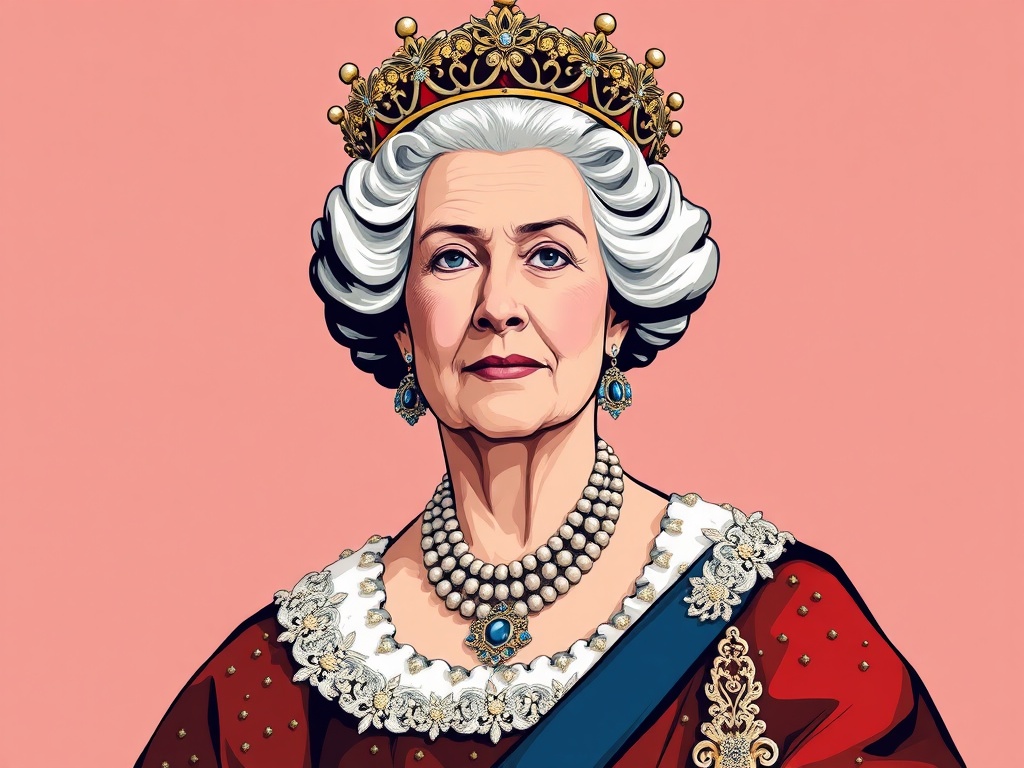
What visitors and observers should look for
– Royal residences and public collections: State rooms, exhibitions, and curated displays illustrate ceremonial life and family history.
– Memorials and dedications: Parks, institutions, and plaques across several countries mark public appreciation and civic ties.
– Media and archives: Official footage, public addresses, and curated online archives provide insight into evolving public communication strategies.
Why the legacy matters today
The enduring interest in Queen Elizabeth reflects broader questions about continuity and change in public life.
Her example shows how a symbolic office can still wield soft power—mobilizing attention for charitable causes, smoothing diplomatic rituals, and anchoring national moments. Observers studying constitutional practice, public relations, or cultural diplomacy will find rich material in the ways the monarchy adapted under her influence.
Whether encountered in a museum, a documentary, or a neighborhood park bearing her name, Queen Elizabeth’s presence remains woven into public life. The balance she struck between ceremony and approachability continues to shape expectations of royalty and to spark conversations about identity, service, and the role of tradition in modern society.
