
Queen Elizabeth’s public profile and cultural footprint remain powerful.
Whether you think of ceremonial duty, fashion, or public service, her life reshaped perceptions of monarchy and left a wide-ranging legacy that continues to resonate across institutions, charities, and popular culture.
A legacy of service and symbolism
Queen Elizabeth is often remembered for a steadfast commitment to public duty and a careful attention to the symbolic role of the crown. Her long tenure as monarch gave continuity during times of social and political change, and she used ceremony, travel, and public engagements to embody national identity and diplomacy. Her approach to leadership—measured, private in personal matters yet highly visible in official ones—helped modernize the monarchy while preserving its traditions.
Patronage and philanthropy
One of the most tangible parts of her legacy is the vast network of patronages associated with the royal household. Museums, hospitals, arts organizations, and youth charities benefited from royal support, raising their profiles and often attracting funding. Those organizations continue to reference her interest and involvement as part of their histories and fundraising narratives, and many maintain archives and exhibitions that document collaborative projects and impact.
Fashion and public image
Fashion was an essential communication tool. Brightly colored coats and matching hats became a practical way to be seen by crowds, and her preference for certain designers created lasting associations between couture houses and royal style. Collectors and historians study her wardrobe for insights into evolving royal aesthetics, and exhibitions of garments and accessories regularly attract public interest.
Cultural influence and media
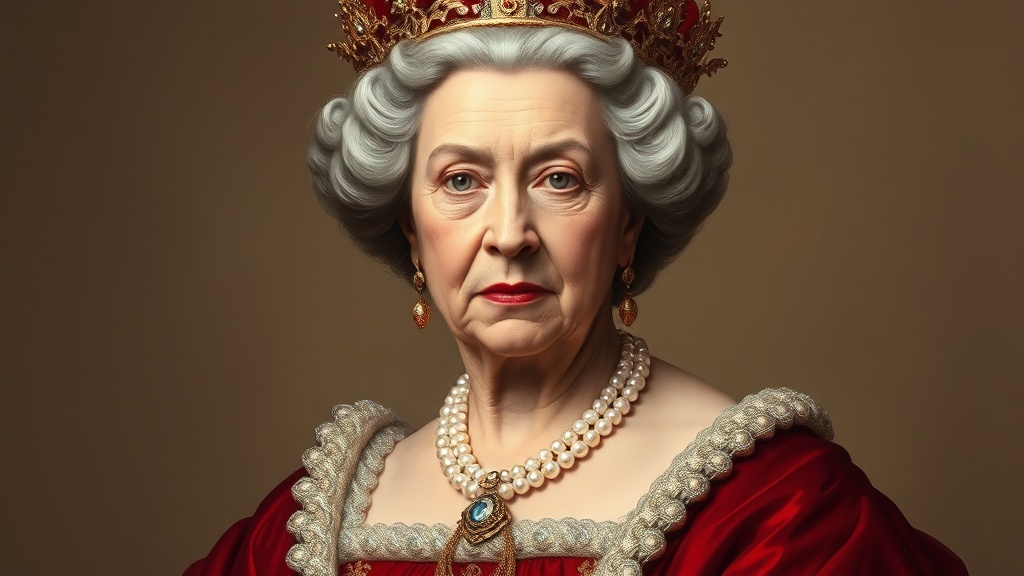
Queen Elizabeth has been a frequent subject in film, television, literature, and art—sometimes iconic, sometimes satirical.
Dramatic portrayals and documentaries shaped public understanding and debate about constitutional roles, family life, and tradition versus modernity. That cultural output also fuels ongoing interest among international audiences who may never visit royal sites but engage with the story through screens and books.
Sites, archives, and ways to engage
For those wanting to explore her life more directly, there are multiple avenues:
– Royal residences and museums often display portraits, clothing, and state artifacts connected to her life and work. Guided tours and curated exhibitions provide context about ceremonies, state visits, and daily routines.
– Public archives and national libraries hold speeches, correspondence, and photographs that illuminate both public duties and behind-the-scenes moments. Many institutions have digitized collections, making primary sources more accessible worldwide.
– Auctions, philately, and numismatics: coins, stamps, and memorabilia bearing her image remain collectible. Authentication and provenance are important for buyers; reputable auction houses and certified dealers are recommended for serious collectors.
Why interest endures
The blend of ritual, personality, and public service explains much of the enduring fascination. Symbols associated with her—portraits, official residences, ceremonial dress—continue to be repurposed in commemorations, public history projects, and academic study. Whether you approach the subject from constitutional law, fashion history, or cultural studies, the story offers layers of meaning that keep topics fresh for new audiences.
Practical tips for readers
If you plan to visit exhibitions or order memorabilia, check museum websites for current displays and authenticity information. For researchers, institutional archives often require appointments or digital access requests. And if you’re curious about how royal patronage can affect charities, look for annual reports and case studies from organizations that list royal involvement as part of their impact narratives.
Interest in Queen Elizabeth is likely to remain part of broader conversations about monarchy, national identity, and cultural memory—conversations that continue to evolve as institutions and audiences reinterpret the past.
