
London’s history is a mosaic of layers—Roman foundations, medieval walls, dramatic fires, industrial reinvention, wartime survival and bold modern transformations.
Walk almost any street and you’ll be stepping across centuries of change that shape the city’s character, architecture and energy.
Origins and the river’s influence
The Thames is the defining feature of London’s story. As a tidal artery it attracted early settlers, traders and builders.
The river’s bends determined where docks, markets and bridges would appear, and its banks hosted everything from timber wharves to grand palaces.
Trade along the Thames turned a small riverside outpost into a bustling commercial hub, and many of today’s financial streets still trace routes laid down by those early merchants.
Roman foundations and medieval fortifications
Beneath modern pavement lie Roman streets and foundations. Archaeological finds—mosaics, pottery, and traces of timber and stone buildings—tell of a planned settlement with a river port, defensive earthworks and commercial quarters.
The medieval city later added stone walls, narrow lanes and iconic institutions: guildhalls, churches and market squares that anchored daily life. Surviving fragments of the old city wall and lanes like those radiating from historic market places make the medieval imprint visible to curious walkers.
The Great Fire and rebuilding
A catastrophic urban blaze transformed London’s built environment and triggered an ambitious rebuilding program. Architectural responses ranged from pragmatic timber replacement to bold new civic designs. The era that followed saw master craftsmen and leading architects reimagine churches, public spaces and homes—shaping the skyline with domes and steeples that remain focal points today.
Industrial expansion and transport revolutions
The city later embraced industry and transport innovations that remade its skyline and neighborhoods. Canals, railways and new docks opened hinterlands for trade and industry.
Former shipyards and warehouses converted into commercial hubs and residential areas illustrate how adaptive reuse preserved industrial heritage while meeting modern needs. Transport innovations also stitched together outlying districts, turning hamlets into urban quarters and expanding London’s footprint.
Wartime damage and post-war renewal
Extensive wartime damage tested the city’s resilience. Recovery required large-scale reconstruction, new housing approaches and urban planning experiments. The era of rebuilding produced a mix of modernist estates, renewed public spaces and conservation movements that sought to protect historic cores even as new architecture rose around them.
Conservation, culture and contemporary reinvention
A growing awareness of heritage preservation led to the protection of historic buildings and the creative reuse of industrial shells.
Former power stations and warehouses now host galleries, theaters and markets, creating vibrant cultural quarters where Victorian ironwork meets contemporary design.
Regeneration projects along the Thames and former docklands showcase how careful planning can blend history with public spaces, transport links and mixed-use developments.
Where to see the layers yourself
– Walk the riverside paths to spot docks, historic warehouses and modern public art.
– Explore the remains of Roman streets and medieval walls around the old city core.
– Visit converted industrial sites that now house galleries, music venues and markets.
– Look up at civic domes and church spires—many mark periods of ambitious rebuilding and design.
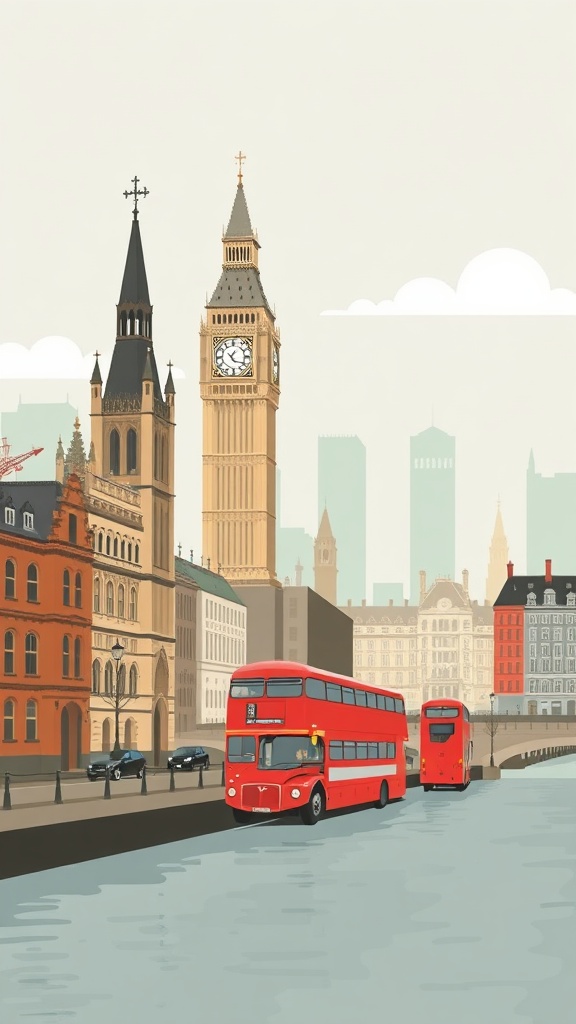
London’s history is not a static museum but an everyday palimpsest: each generation writes onto what came before, often preserving fragments while transforming whole districts. That interplay between past and present is what gives the city its unique sense of continuity and constant reinvention. Whether you’re a history enthusiast or a casual visitor, noticing the layers beneath the surface reveals stories that enrich every corner of the capital.
