
Buckingham Palace remains one of the most recognisable landmarks in London, blending sovereign ceremony with public access. Whether you’re planning a visit or curious about how the palace functions today, this guide covers the essentials: what to see, how to visit, and why the palace continues to capture global attention.
What Buckingham Palace is and why it matters
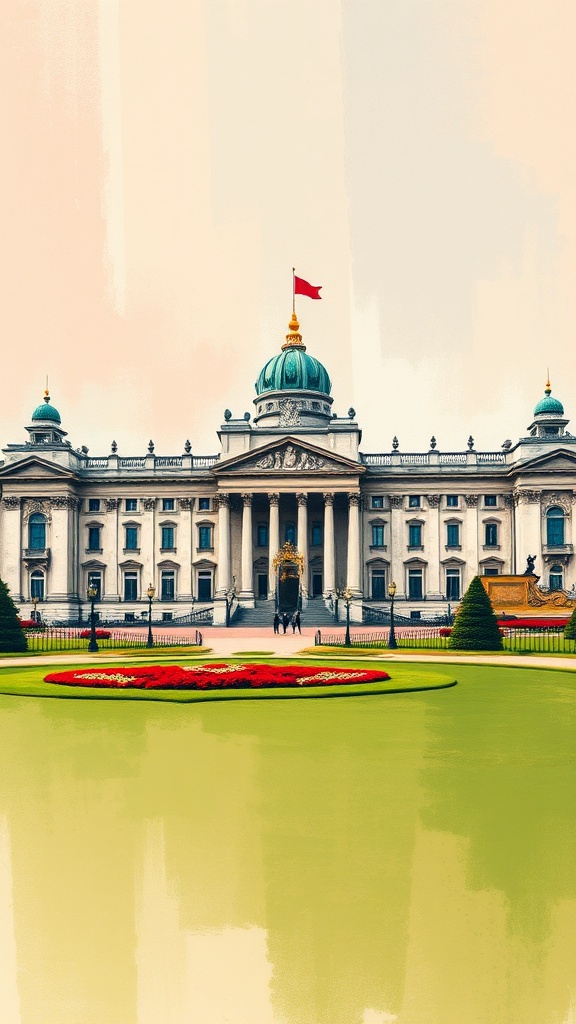
Buckingham Palace serves as the official London residence and administrative headquarters for the British monarchy. It hosts state occasions, official receptions, and diplomatic events, while also functioning as a working office for royal household staff. The palace’s façade and iconic balcony are enduring symbols of national ceremony and public celebration.
Top attractions inside and around the palace
– State Rooms: The State Rooms form the heart of public tours, showcasing grand reception rooms, historic furnishings, and highlights from the Royal Collection. Visitors get a close look at ceremonial spaces used for major state events.
– The Queen’s Gallery: A nearby public gallery that rotates exhibitions drawn from the royal art collection, offering fine art, drawings, and decorative arts displays.
– Royal Mews: The working stables and carriage collection, where historic state carriages and royal cars are maintained and displayed.
– The Gardens: The palace garden is an expansive private green space with a lake and diverse plantings that support local wildlife and host official garden events.
– The Balcony: The palace balcony is an emblematic focal point for major public occasions when members of the royal family make appearances.
Visiting tips and practical info
Access to inside areas is typically available to visitors during a seasonal visitor programme. Tours and exhibitions can sell out, so book tickets in advance through official channels. When planning a visit, keep these pointers in mind:
– Arrive early for the Changing of the Guard ceremony—it’s free and draws large crowds, so allow time to secure a good viewing spot.
– Photography rules vary: general outdoor photography is fine, but some interior spaces may restrict flash or photos.
– Expect security checks similar to those at major public buildings.
– Nearby transport options include main London Underground and rail stations with direct connections to the palace area.
Behind the scenes: conservation and public engagement
The palace balances its ceremonial duties with ongoing conservation of historic interiors and art.
Recent investment has focused on conservation of the Royal Collection and improvements to the building’s infrastructure to support long-term public access. Curated exhibitions in the Queen’s Gallery and special displays within the State Rooms help bring rarely-seen treasures to wider audiences.
Sustainability and the palace grounds
Efforts to make the palace estate more sustainable are increasingly visible, with a focus on energy efficiency, biodiversity in the gardens, and responsible stewardship of historic fabric. The palace gardens function as an important urban green space, providing habitat for birds and pollinators and supporting seasonal planting schemes.
Making the most of a visit
Plan ahead, check which areas are open to the public, and combine a palace visit with nearby attractions such as royal parks, museums, and historic streets. For many visitors, the mix of ceremonial spectacle, curated art, and behind-the-scenes insight into a living royal household makes Buckingham Palace a memorable highlight of a London trip.
