
London’s story reads like a living palimpsest: ancient foundations overlaid by medieval streets, grand civic projects, wartime scars and bold modern architecture. That layered quality is what makes London history endlessly compelling for visitors and locals alike.
Origins and early growth
The city began as a strategic riverside settlement, its position on the Thames shaping everything that followed. The Romans established a trading post that became a regional hub, laying out roads and building defensive walls that would influence the street pattern for centuries.
Traces of that early phase still peek through in archaeological finds and place names that echo an ancient past.
Medieval life and civic power
As merchants, guilds and religious institutions gathered, medieval London grew into a dense, bustling center of commerce and governance.
Narrow lanes and timber houses clustered within and beyond the old walls, while the river remained the artery of trade.
Symbols of authority from this period survive in stone: fortified towers, churches and market sites that anchor many neighbourhoods.
Disaster and reinvention
Like many great cities, London has repeatedly reinvented itself after calamity.
A devastating citywide blaze reshaped the urban fabric, prompting ambitious rebuilding and new approaches to materials and streetscapes. Architects and civic leaders used that moment to reimagine public space and sacred architecture, producing iconic landmarks that still define the skyline.
Industrial transformation and expansion
The arrival of modern industry and transport shifted London’s scale and social geography. Docklands, rail hubs and new thoroughfares expanded the metropolis and brought waves of new residents.
That transformation created both wealth and stark contrasts between affluent districts and working neighbourhoods, fueling cultural innovation and political movements that left a lasting imprint on national life.
War, resilience and renewal
London’s resilience shows most vividly in its response to wartime damage and post-conflict reconstruction. Entire districts were rebuilt, and communities rallied to preserve heritage even while embracing modern needs.
Those layers—scarred brickwork beside contemporary glass—tell stories of survival, commemoration and civic renewal.
Cultural institutions and civic memory
Museums, galleries and theatres have long chronicled the city’s past while shaping its cultural present.
Collections amassed over centuries preserve artifacts from daily life, political upheaval and artistic achievement.
Theatre districts and music halls evolved into world-class cultural quarters, helping London become a global creative capital.
The Thames: constant and changing
Through all these phases, the river remains London’s defining feature.
It was a route for trade and invasion, a source of livelihood and pollution, a subject for artists and a focus for regeneration projects. Today the riverbanks host promenades, markets and landmark bridges that reflect both continuity and change.
Hidden histories and everyday stories
Beyond monuments, London’s history lives in neighbourhoods and small-scale details: markets that grew from informal trade, alleyways that recall vanished trades, and homes that hold layers of décor and adaptation. Exploring by foot reveals plaques, ancient doorways and curious street names that turn a walk into a timeline.
Why it matters
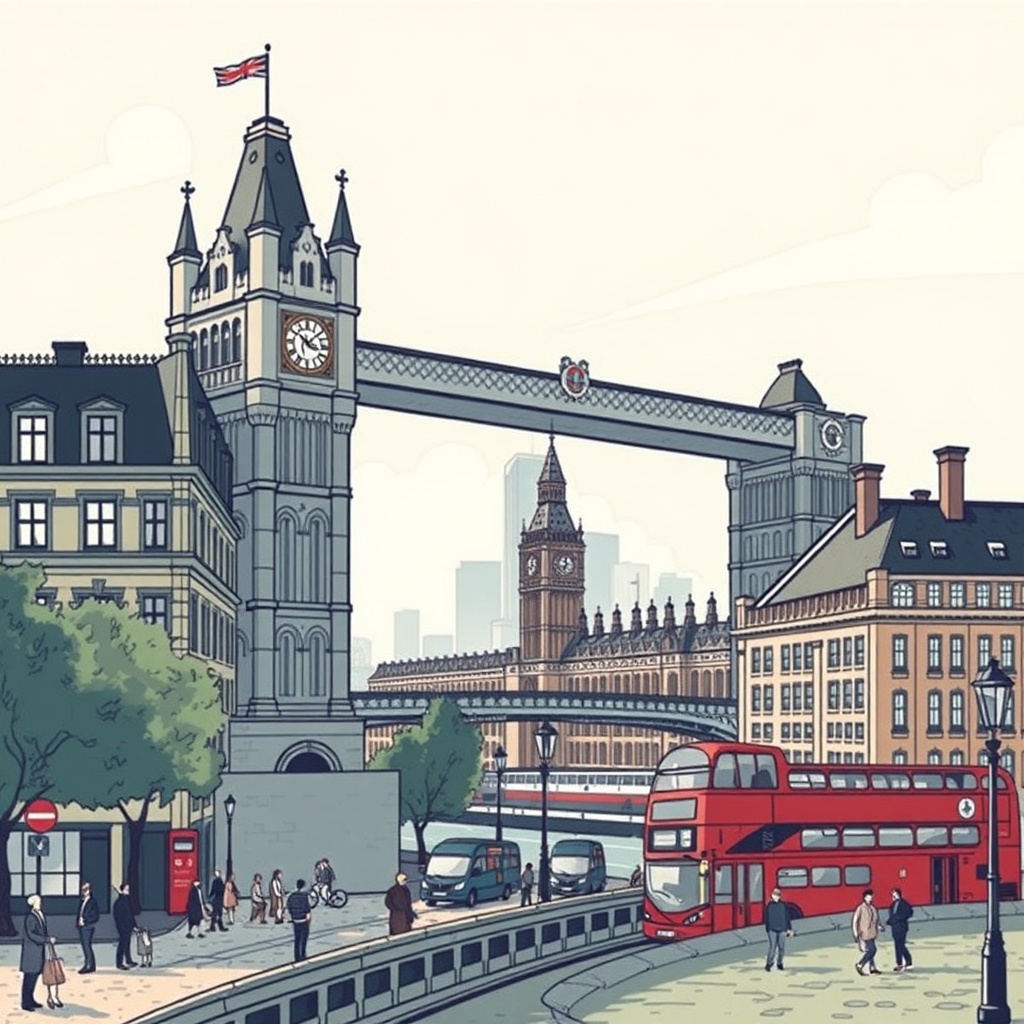
Understanding London history helps explain how the city works now—its social mix, its architecture, and its rhythms.
The past isn’t a distant exhibit; it’s woven into transport routes, public rituals and the built environment. Whether you’re following a curated museum trail, joining a themed walking tour or simply wandering, the city rewards curiosity at every turn.
Plan a thematic walk—Roman remains, medieval sites, architectural reinvention or riverside change—and you’ll discover how continuity and change have shaped one of the world’s most storied cities.
