
London’s story reads like a palimpsest: layers of civilizations, disasters, reinvention and continuity stacked along the River Thames.
Understanding how this city evolved helps explain its character today — a blend of ancient foundations, grand monuments, gritty neighborhoods and constant reinvention.
Origins and Roman foundations
Long before the glass-and-steel skyline, a settlement known to the Romans as Londinium grew up on the Thames’ north bank. The river provided trade, transport and natural defense, encouraging a bustling port and the construction of walls and bridges.
Fragments of the Roman wall and remnants of paved streets still surface in museums and archaeological displays, offering tangible links to that early urban grid.
Medieval streets and markets
As commerce expanded, narrow lanes and market squares sprouted within and beyond the old walls. Churches, guildhalls and timber-framed houses defined the medieval cityscape. Many modern street names trace back to trades and institutions of this period, so every stroll through certain neighborhoods becomes a map of living history.
The great conflagration and rebuilding
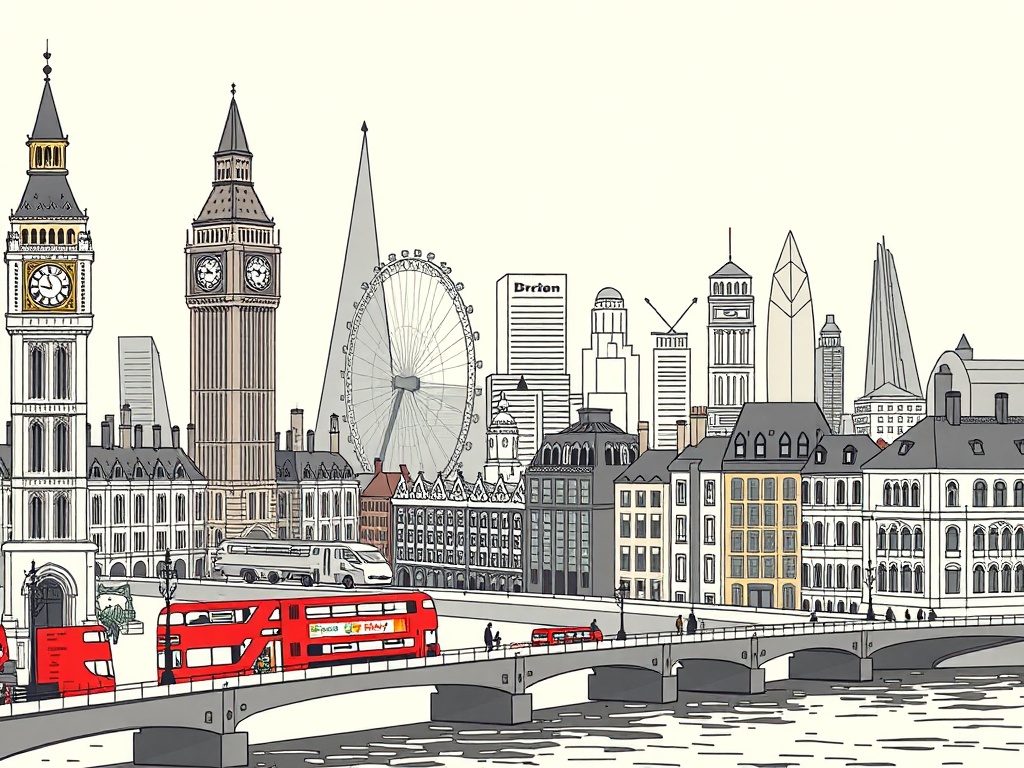
A catastrophic fire swept through dense wooden streets, changing London’s architectural trajectory. The reconstruction that followed prioritized stone and brick, wider thoroughfares where possible, and stricter building regulations.
Visionary architects reshaped the skyline, designing elegant parish churches and a monumental cathedral that would become symbolic of the city’s resilience. The patterns of those rebuilt streets and the concentration of churches remain visible in many central districts.
Industrial growth and urban change
The arrival of industrial technology and expanded trade transformed London into a global hub. Railways, docks and factories altered both the physical landscape and social fabric, drawing waves of new residents and creating distinct working-class districts. Grand townhouses and public institutions rose alongside crowded terraces and tenements, producing a city of sharp contrasts.
Wartime damage and modern reconstruction
Aerial bombardment inflicted severe damage on large swathes of the city, resulting in a second major rebuilding phase. Post-war planning introduced modernist housing estates, bypasses and civic centers, while also sparking debates about conservation versus redevelopment. These decisions shaped contemporary neighborhoods and influenced preservation efforts that took hold later.
Preservation, regeneration and the living city
Recent decades have seen ambitious regeneration programs turn derelict docks and industrial zones into business districts, cultural quarters and riverside housing. At the same time, heritage conservation has grown stronger: ancient walls, medieval churches, historic markets and stately homes are protected, interpreted and incorporated into modern life. Museums, guided walks and archaeological visitor centers make the city’s multiple histories accessible.
Where to see history on the streets
– Walk along the Thames to spot Roman remains, medieval wharves and Victorian embankments.
– Visit historic churches tucked down alleyways; many preserve interior fittings and monuments that survived disaster and war.
– Explore old markets and lanes where building facades advertise centuries-old trades in their names and signage.
– Discover pockets of rebuilt classic architecture around the cathedral and financial district, testaments to past reconstruction efforts.
Why it matters
London’s history is not static; it’s practiced daily by commuters, shopkeepers, students and residents who inhabit spaces that were once battlegrounds, ports, market squares and rebuilding sites.
Knowing the layers beneath the surface enriches any visit or neighborhood walk, turning familiar places into stories about adaptation, continuity and civic identity.
For anyone curious about urban evolution, London offers a textbook of how cities survive, reinvent and keep memory alive — one street, one stone and one story at a time.
