
Queen Elizabeth remains one of the most discussed figures in modern history, a touchstone for conversations about monarchy, public service, and national identity. Whether you’re drawn to royal pageantry, political symbolism, or cultural memory, her legacy continues to shape how people think about leadership and continuity.
A model of public service and constitutional duty
Queen Elizabeth’s approach to the role reshaped expectations of monarchic duty. She balanced ceremonial responsibilities with a careful, nonpartisan stance that reinforced the constitutional framework. Her steady presence during times of change gave the monarchy a sense of stability that many associate with tradition and continuity.
That approach influenced how modern heads of state, ceremonial or otherwise, present themselves: measured, visible, and attentive to national sentiment.
Patronages, philanthropy, and public impact
One of the most tangible parts of the Queen’s legacy is the network of patronages and charities linked to her name. From medical research and education to conservation and the arts, affiliated organizations often saw increased visibility and fundraising success. Those connections created lasting institutional support that continues to benefit communities, inspire volunteers, and shape philanthropic priorities across the United Kingdom and the wider Commonwealth.
Cultural resonance and popular engagement
The Queen’s image appears everywhere from coins and stamps to portraits and television dramas.
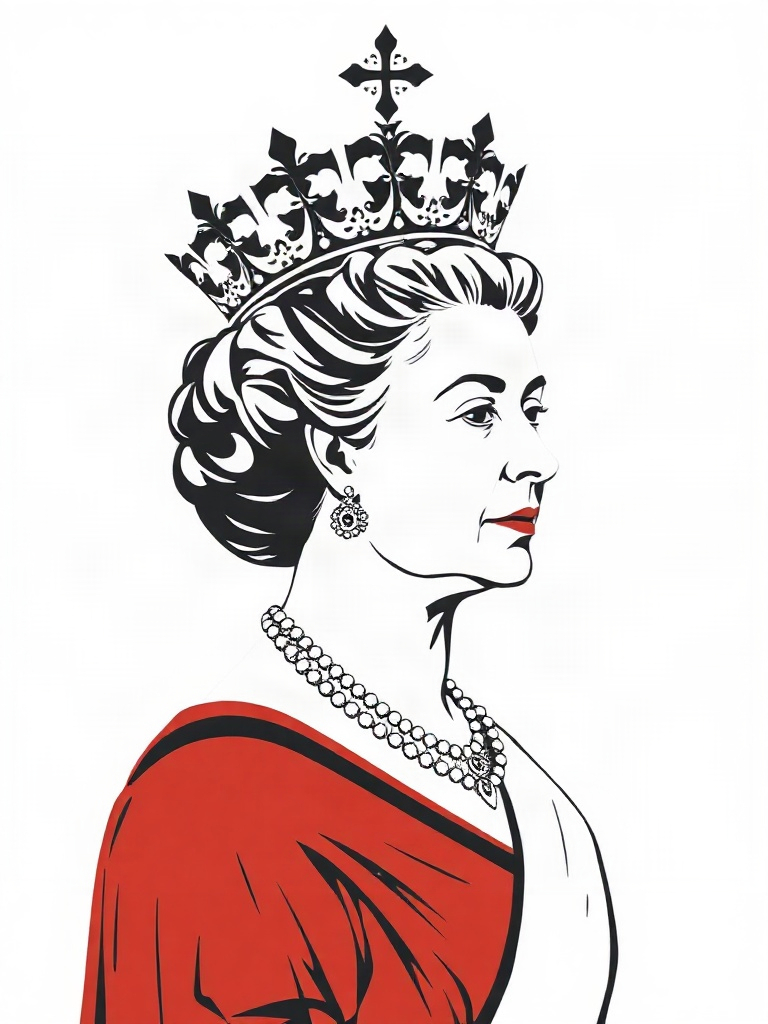
Her presence in popular culture sparked debates about monarchy, class, and national identity that remain lively topics today. Films, series, biographies, and exhibitions have invited fresh reassessments of her influence, helping younger generations engage with royal history through contemporary storytelling and critical perspectives.
Heritage sites, archives, and tourism
Royal residences and estates tied to the Queen function as both living institutions and heritage attractions. Palaces, official archives, and curated exhibitions preserve artifacts, letters, and photographs that document decades of public life. These sites serve educational purposes and support local economies through tourism, while ongoing conservation projects ensure historic buildings and landscapes are cared for responsibly.
Continuity, adaptation, and the future of the monarchy
The legacy is not just a matter of nostalgia. It includes practices and precedents that influence how the monarchy adapts to changing public expectations. Rituals such as state ceremonies and public commemorations continue to be updated, blending time-honored tradition with modern sensibilities. Digital archives, official communications, and new forms of public outreach make royal history more accessible than ever, enabling people around the world to explore primary sources and curated stories.
How people remember and engage
Public memory is shaped by museums, media, and community events. Commemorative exhibitions, educational programs, and local initiatives help keep historical context alive while inviting critical conversations about power, empire, and social change. For those interested in exploring the Queen’s impact, recommended starting points include visiting official exhibitions, exploring online archives, and reading well-researched biographies that balance admiration with critical analysis.
Why it still matters
The discussion about Queen Elizabeth goes beyond ceremonial interest; it touches on questions about leadership, national narrative, and how institutions evolve.
Her influence persists in the way public roles are performed, how cultural institutions curate history, and how communities commemorate shared experiences. For anyone curious about monarchy or modern history, the ongoing conversation offers a rich mix of tradition, transformation, and public engagement.
