
David Beckham’s journey from decorated player to global brand builder offers a template for how sporting fame can translate into lasting cultural and commercial influence.
Today he’s best known not only for his free kicks and captain’s armband but for reshaping how athletes leverage image, business acumen, and social impact to create multi-dimensional legacies.
Brand and business: a playbook for athletes
Beckham’s instincts for branding turned personal style into commercial currency. Strategic partnerships across fashion, grooming, and lifestyle—combined with carefully curated public appearances—kept him visible long after his playing days. His ventures into menswear, fragrance, and grooming tapped into a consistent visual identity: tailored, modern, and accessible. That consistency reinforced trust with consumers and made collaborations attractive to established global brands.
From star to club owner: changing the soccer landscape
As an owner of a Major League Soccer club, Beckham brought celebrity cachet and a strategic focus on growth. The club’s commercial performance benefited from high-profile signings, media attention, and an emphasis on matchday experience.
More than trophies, the ownership project prioritized long-term infrastructure: stadium plans, a youth academy pathway, and community outreach programs designed to grow the sport locally and deepen fan engagement.
Influence on player movement and league profile
Beckham’s presence helped shift perceptions of the league from a retirement destination to a competitive, aspirational environment. His ability to attract top talent—pairing marquee signings with a compelling lifestyle proposition—drove broadcast interest, sponsorship opportunities, and ticket sales. These moves served as a demonstration of how savvy ownership can accelerate a league’s global relevance.
Philanthropy and cultural impact
Philanthropic work has been an anchor of Beckham’s public life. Long-standing commitments to children’s causes and public health projects illustrate how celebrity influence can be mobilized for social good.
These efforts extend beyond donations: they include advocacy, ambassador roles, and visible participation in campaigns that amplify grassroots initiatives and charitable partners.
Style and lifestyle leadership
Beckham’s influence on men’s fashion and grooming is enduring.
From tailored suits to cutting-edge casualwear, his sartorial choices have informed trends and normalized an aspirational, well-groomed male aesthetic. For brands, his case highlights the value of authenticity—aligning product offerings with an influencer’s genuine tastes and lifestyle yields stronger, more durable partnerships.
Lessons for future athlete-entrepreneurs
– Build a consistent personal brand that’s flexible enough for diverse partnerships.
– Invest in tangible infrastructure (youth programs, facilities) to pair short-term publicity with long-term value.
– Use celebrity to amplify community and philanthropic work, not just commercial goals.
– Balance flash with substance: marquee signings and media moments should be supported by sustainable sporting strategy.
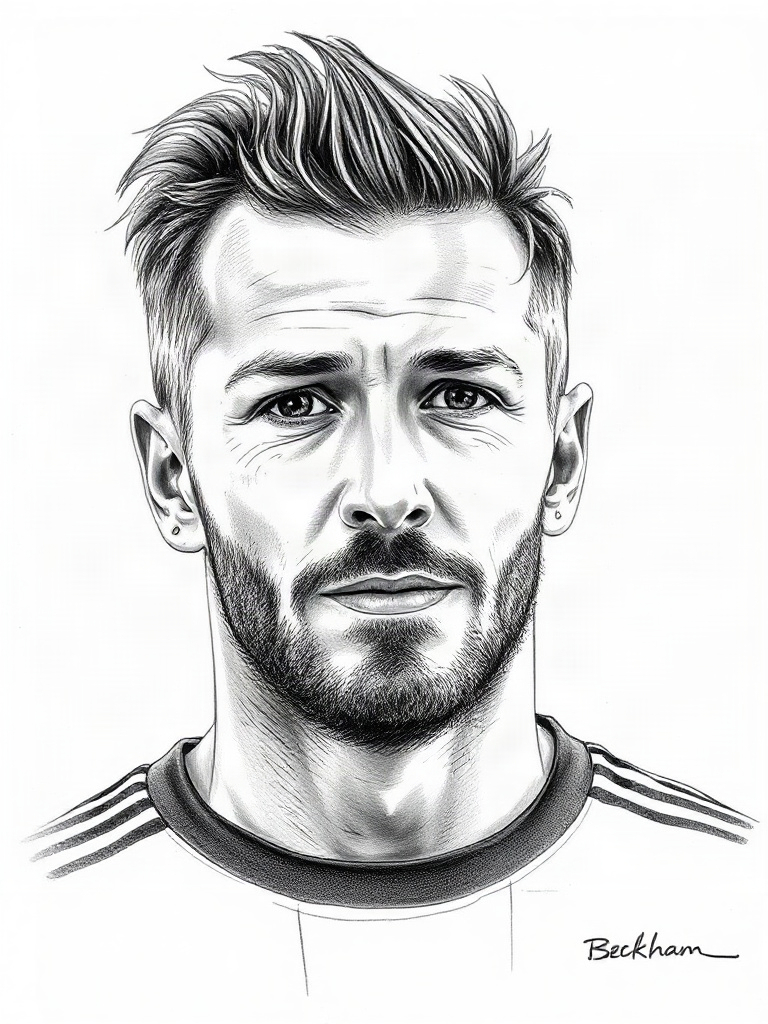
David Beckham remains a vivid example of how a sports career can morph into multi-sector influence when guided by strategic thinking, brand discipline, and a commitment to impact.
Whether viewed as a football icon, fashion tastemaker, or owner shaping a club’s future, his trajectory illustrates the potential for athletes to shape culture, commerce, and community on a global stage.
