
Few sports figures have crossed so many cultural lines as cleanly as David Beckham. Today he’s more than a retired midfielder; he’s a global brand builder whose influence stretches from the pitch to fashion runways, boardrooms and philanthropic platforms.
What made Beckham a star on the field—precision, vision and a relentless work ethic—set the tone for everything that followed. His trademark delivery on free kicks and pinpoint crossing turned decisive moments into highlights that still get replayed. Those technical hallmarks helped him captain club and country and made his name synonymous with clutch performances and professionalism.
Transitioning from player to entrepreneur and club owner, Beckham helped reshape soccer’s profile where it was once marginal: the United States. As a principal backer of a South Florida club, he played a leading role in transforming a small-market franchise into a headline-grabbing operation that captured major domestic trophies and global attention. That rise helped prove a simple idea: with the right vision and star power, American soccer can attract world-class talent, lucrative TV audiences and new corporate partners.
The club’s success also demonstrated how a sporting project can accelerate local investment, fan culture and stadium development.
Off the field, Beckham’s portfolio spans lifestyle, fashion and consumer goods. He has cultivated long-term partnerships with major brands in sportswear, watches and fragrance and has launched ventures that leverage his image as a style icon. His fashion sensibility—clean lines, tailored suits and an ease with trend—keeps him relevant in celebrity and menswear circles, while collaborative collections and endorsements continue to expand his reach beyond sports fans.
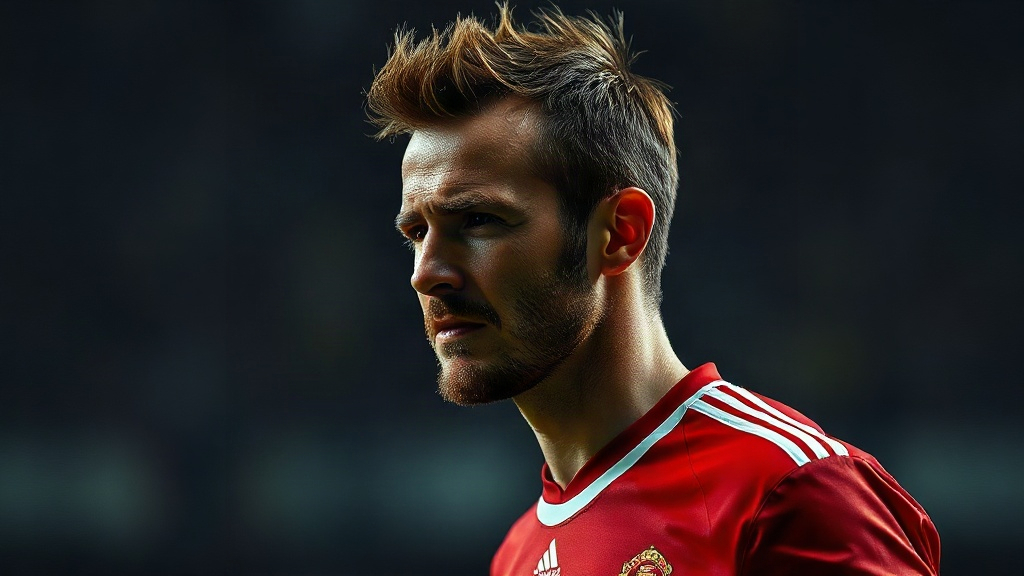
Philanthropy is a central piece of Beckham’s public life. He has supported child-focused causes through work with international relief organizations and has put his name and resources behind campaigns to improve access to education and health for vulnerable children.
Those efforts pair public-facing campaigns with quieter, strategic giving designed to deliver tangible results in communities he engages with.
Family is often part of the narrative around Beckham. His partnership with a high-profile fashion designer has produced a creative household where their children pursue photography, fashion, and sport, each carving distinct public footprints. That family image—accessible, aspirational and stylish—has aided Beckham’s longevity as a cultural figure.
What makes Beckham an enduring subject of interest is not any single achievement but the arc: elite performer, cultural symbol, business architect and civic-minded public figure. He has shown how athletes can pivot into lasting platforms that influence sport governance, urban development and global marketing.
Today his projects are watched as examples of athlete-led entrepreneurship that can scale beyond personal fame to create institutions and commercial ecosystems.
For fans of football, fashion or brand strategy, Beckham’s story offers lessons: the power of technical excellence, the value of consistent image management, and the opportunities that come from marrying sport with broader cultural ambitions. Whether through a perfectly curled free kick, a successful club campaign or a collaboration that merges sport and style, Beckham continues to be a touchstone for how one career can evolve into many.
