
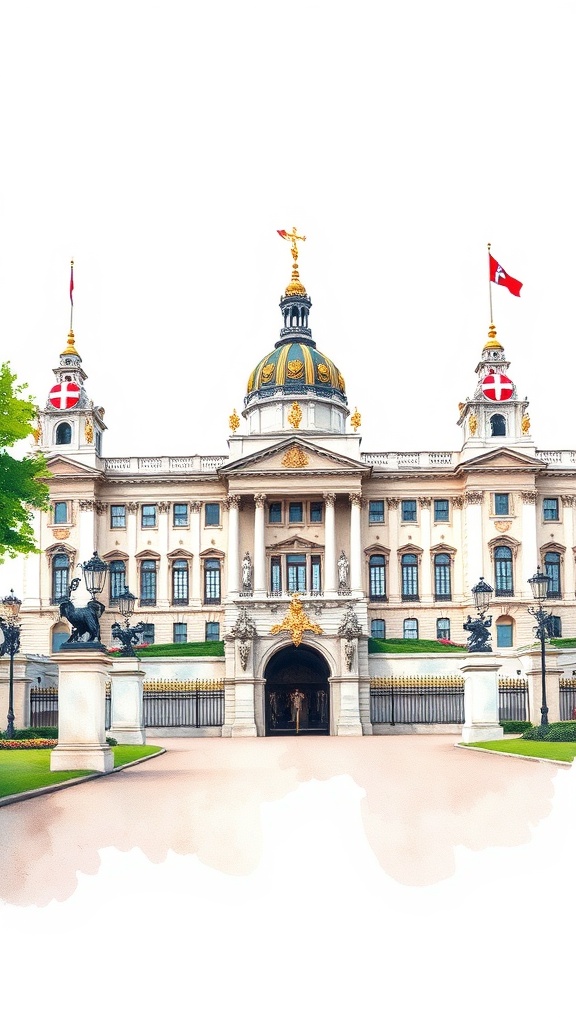
Buckingham Palace remains one of the most recognisable royal residences and a must-see for visitors to London. As both a working palace and an iconic tourist attraction, it blends ceremonial tradition, fine art, and active conservation—offering several ways to experience British history and pageantry.
What to see inside
The State Rooms showcase the finest of the Royal Collection: paintings by European masters, gilt-framed mirrors, lavish chandeliers, and richly decorated salons used for official receptions. Highlights often include the Picture Gallery, the impressive Ballroom, and the State Dining Room, where visiting heads of state are welcomed. Photography is usually restricted inside, so expect to enjoy the interiors up close without a camera.
Outside attractions and ceremonies
The forecourt and palace balcony are synonymous with national celebration. The Changing of the Guard ceremony—an enduring symbol of ceremonial pomp—draws crowds to watch the precision march from nearby barracks to the palace. The palace also hosts major public events such as garden parties and state occasions, when the forecourt and grounds form the backdrop for national hospitality and pageantry.
The Royal Mews and the palace gardens
Just a short walk from the main residence, the Royal Mews houses the working stables, historic state carriages and cars used for ceremonial occasions.
The palace gardens, extensive and carefully tended, provide a rare green retreat in central London. Guided or audio tours sometimes highlight the garden’s wildlife initiatives, which include beekeeping and habitat management designed to support pollinators and biodiversity.
Visiting tips
– Book ahead: Public access to the State Rooms is seasonal and spaces can sell out. Purchasing tickets online in advance avoids disappointment.
– Timing: The Changing of the Guard attracts the biggest crowds; arrive early and be prepared for standing-room viewing. Off-peak hours or weekday mornings are typically quieter for exterior photos.
– Access and comfort: Parts of the palace are wheelchair accessible, but historic architecture can limit step-free routes in some areas—check accessibility info before you go. Expect security checks at the entrance.
– What to bring: Light layers for British weather, comfortable shoes for touring nearby parks, and a small bag that meets security guidelines. Inside the palace, coat checks or cloakrooms may be available.
– Combine nearby attractions: St.
James’s Park, the Mall, and nearby museums make for an easy half-day itinerary around the palace.
Conservation and modernization
Behind the ceremonial façade, ongoing conservation work preserves the State Rooms and Royal Collection for future generations. Conservation teams focus on delicate textiles, historic furniture, and fine art, while modernization projects aim to improve energy efficiency and visitor facilities. Digital initiatives also make parts of the collection more accessible through online galleries and virtual tours.
Practicalities and planning
Because Buckingham Palace is a working royal residence, parts of the palace are closed during official events or state visits. Check official visitor information before planning a trip to confirm opening times and any special closures. Guided tours, audio guides, and family-friendly resources are typically available to enhance the visit.
Whether you’re drawn by royal history, fine art, or ceremonial spectacle, Buckingham Palace offers a layered experience that rewards both first-time visitors and repeat guests.
For the latest visitor details and ticketing, consult the palace’s official visitor resources before you go.
