
London restaurants deliver an extraordinary mix of flavors, formats, and atmospheres — from slick tasting menus and Michelin-starred rooms to lively street-food stalls and neighborhood cafés. Whether you’re hunting for a special-occasion meal or a great value plate, London’s dining scene offers something to satisfy every taste and budget.
What to expect
– Diversity: You’ll find authentic regional cuisines from across the globe alongside creative British cooking that highlights seasonal, local produce. Expect thoughtful small-plate sharing menus, refined tasting menus, and many places offering excellent set or lunch menus for value.
– Atmosphere: Dining rooms range from intimate chef’s-counter experiences and historic townhouse restaurants to industrial-style eateries and vibrant food halls where you can graze between stalls.
– Service and standards: Many restaurants emphasize hospitality and craft; reservations are advised at popular spots and dress codes can vary from casual to smart.
Neighborhoods worth exploring
– Soho & Covent Garden: Central, buzzy and great for late-night dining — a mix of contemporary restaurants, classic brasseries and cocktail bars.
– Mayfair & Marylebone: Upscale dining with many chef-led restaurants and refined tasting-menu destinations.
– Shoreditch & Hoxton: Creative, energetic neighborhood restaurants and pop-ups, plus excellent casual and shared-plate concepts.
– Notting Hill & Kensington: Charming dining rooms, neighborhood bistros and bakeries ideal for relaxed meals.
– Brixton & Peckham: Emerging food scenes with diverse, affordable options and a strong independent vibe.
– Borough Market & Coal Drops Yard: Not restaurants per se, but fantastic for sampling artisan producers, street food and casual bites.
How to get the best table and value
– Book in advance for popular restaurants and weekend evenings; many open allocations a few weeks ahead and some release last-minute seats via waitlists.
– Look for set-price lunch menus or early-evening deals for excellent value.
– Check cancellation policies before booking; high-demand restaurants may enforce deposits or card holds.
– Use neighborhood hopping: combine a market or casual spot with a more formal dinner to experience contrasts without overspending.
Trends shaping the scene
– Sustainability: Many kitchens focus on ethical sourcing, seasonal produce and reducing waste — expect menus that highlight whole-ingredient cooking and responsibly sourced seafood.
– Plant-forward cooking: Creative vegetable-centric plates and fully plant-based restaurants are now mainstream choices, not niche.
– Chef-driven experiences: Counter seating, chef’s tables and intimate supper clubs offer direct engagement with the cooking process and can feel like a story as much as a meal.
– Casual fine dining: High-quality food presented in relaxed settings — more approachable tasting menus and shorter formats are common.
Unique experiences to try
– Supper clubs and pop-ups that showcase emerging talent and experimental menus.
– Market-led dining where chefs work with vendors for special, seasonal menus.
– Themed tasting menus or multi-course surprise menus for a fully curated evening.
Final tips
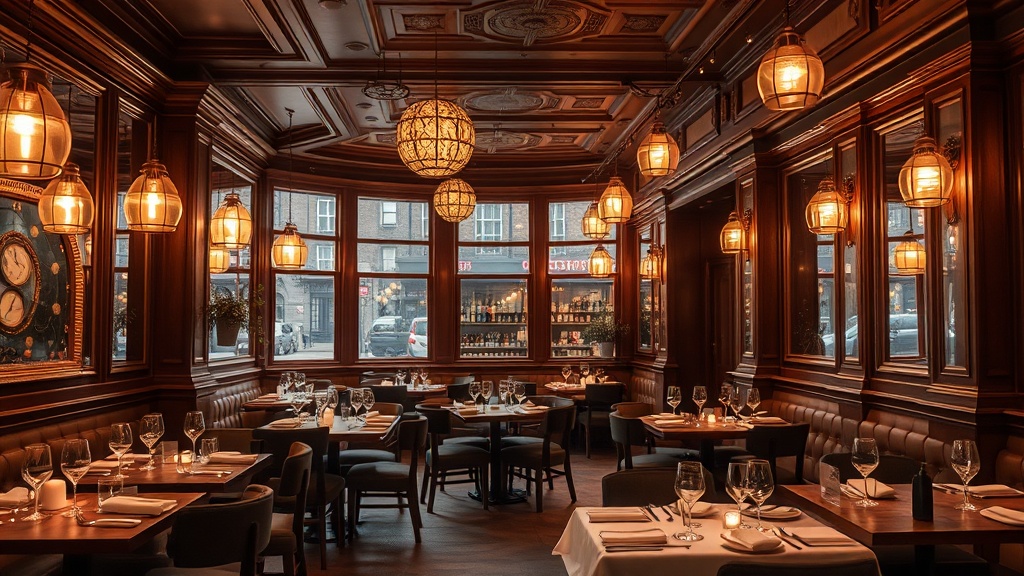
If you’re new to London restaurants, start with a neighborhood you want to explore on foot, read recent reviews for current service notes, and make reservations where possible. Be open to trying smaller, independent places — some of the most memorable meals come from off-the-radar kitchens that prioritize flavor, authenticity and hospitality.
