
London is a city of layers: Roman foundations sit beneath skyscrapers, medieval lanes wind through modern financial districts, and monuments to empire stand alongside cutting-edge cultural hubs. Exploring London’s history reveals how geography, commerce, and resilience reshaped a riverside settlement into a global capital.
From Londinium to a medieval stronghold
Originally established by the Romans as a strategic river port, the settlement called Londinium grew around the Thames with a defensive wall and busy wharves.
Traces of Roman London still surface in basements and museum displays, reminding visitors how the city began as a hub for trade and administration.
As Roman authority faded, the settlement evolved through the medieval period into a nexus of markets, guilds, and religious life. Narrow streets and timber-framed buildings clustered near major churches and the original bridges across the Thames.
The imposing Tower of London, built to command the river and assert royal power, became a symbol of control, treasury, and, at times, imprisonment.
Disaster, rebirth, and architectural reinvention
Several dramatic events forced London to reinvent itself.
A catastrophic urban fire swept through dense timber neighborhoods, destroying much of the medieval city and prompting an ambitious rebuilding program that favored brick and stone. That reconstruction fostered new urban planning ideas and produced the great churches and civic buildings that shape the city’s silhouette.
The long 19th-century expansion transformed London into an industrial and imperial powerhouse. New docks, railways, and factories extended the city outward, while developments like the covered markets, grand terraces, and vast public parks reflected changing tastes and philanthropic ambition. The Victorian era left a particularly strong architectural legacy: ornate civic buildings, new bridges, and cultural institutions that continue to define many neighborhoods.
Conflict and resilience
Modern-era aerial bombing caused widespread damage to both residential areas and historic landmarks. The response combined urgent rebuilding with deliberate conservation, leading to a patchwork city where ruins, restored facades, and modern architecture coexist. Post-conflict reconstruction prioritized both housing and the retention of historic character, shaping neighborhoods that still carry the marks of survival.
The Thames as lifeblood
Throughout its history, the River Thames has been London’s lifeblood.
It enabled trade, powered industry, and determined the city’s layout. Recent decades have seen the riverfront reimagined: old docks turned into cultural quarters, riverside promenades, and striking contemporary developments that leverage the Thames’ centrality while preserving key historic waterfront structures.
Everyday history: streets, markets, and stories
Beyond landmarks, London’s history lives in everyday places.
Markets such as the long-established food and antiques markets reflect centuries of commerce. Hidden alleyways reveal medieval street patterns, while blue plaques and small museums commemorate writers, scientists, and activists who shaped public life.
The city’s archives, local museums, and walking trails make its past accessible, offering layered narratives that go beyond grand events to include social history, migration, and labor.
Where to start exploring
– Museum collections of Roman artifacts and medieval finds for the earliest layers
– Historic towers, bridges, and churches for architecture and governance
– Markets and neighborhoods for social and commercial history
– Riverfront districts to see how old docks have found new life
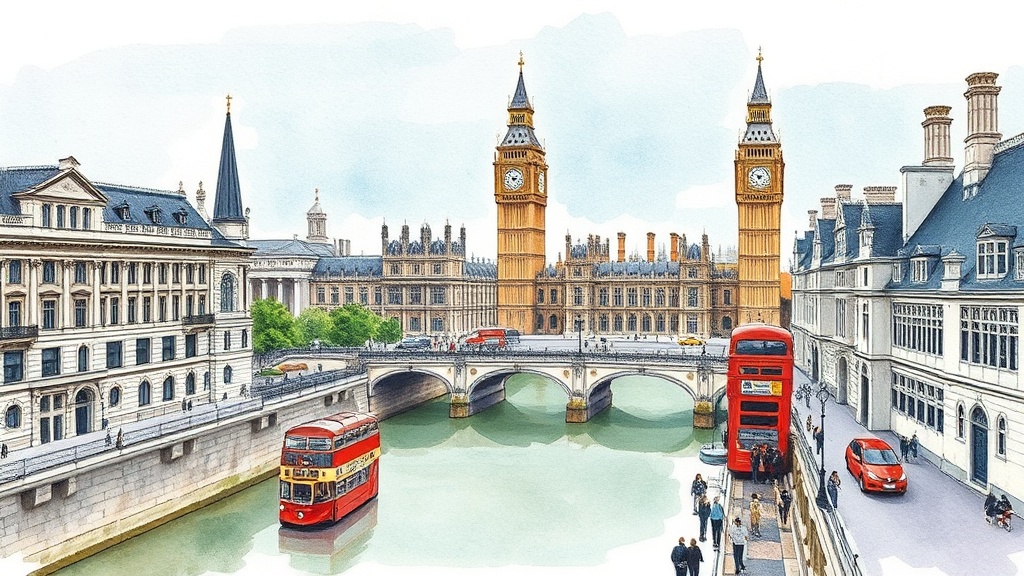
London’s history is neither static nor singular; it’s an ongoing conversation between past and present. Each visit can uncover a new layer—whether it’s a Roman wall fragment underfoot, a restored church spire, or a converted warehouse now humming with creative life—making the city endlessly rewarding for curious explorers.
