
Buckingham Palace remains one of the world’s most recognizable royal residences and a focal point for national ceremonies, public celebrations, and visitors from around the globe. Beyond its famous façade, the palace is a living institution that blends official state functions with public engagement and cultural outreach.
Architecture and interiors
Originally a private house that evolved into a royal palace, the building showcases neoclassical features with an iconic central balcony.
The State Rooms are richly decorated and open to the public during specific periods when the palace is not hosting official business. Visitors can expect grand reception rooms, a Picture Gallery housing a fine collection of paintings, a Throne Room used for formal audiences, and a spectacular Ballroom for major entertainments.
The interiors reflect layers of redesign and restoration carried out to meet both ceremonial needs and conservation standards.
Gardens and ancillary attractions
The palace sits adjacent to expansive green spaces, with one of the largest private gardens in the city providing a secluded backdrop for royal receptions and outdoor events. Nearby attractions include the Royal Mews, home to the royal carriages and historic vehicles, and the Queen’s Gallery, which hosts rotating exhibitions from the royal art collection. These venues offer complementary experiences for visitors looking to explore the material culture and ceremonial life of the monarchy.
Ceremonial life and public events
Buckingham Palace plays a central role in national pageantry. Ceremonies such as the Changing of the Guard provide a highly photogenic display of tradition, military precision, and music. Major state events — including investitures and state banquets — take place within its walls, while the palace balcony is the focal point for public appearances during significant national celebrations. When attending events, expect large crowds and variable access; many festivities are viewable from surrounding parks and thoroughfares.
Visiting tips
– Book tickets in advance through official channels to secure access to State Rooms and special exhibitions.
– Check event calendars before planning a visit; parts of the palace may be closed for official engagements or ceremonies.
– Arrive early for the Changing of the Guard to find suitable viewing spots; public transport and nearby parks make access convenient.
– Photography rules vary between indoor and outdoor spaces—respect signage and staff guidance.
– Wear comfortable shoes: tours often involve walking across marble floors, long galleries, and garden paths.
Conservation and public access
The palace requires ongoing maintenance and conservation to preserve historic interiors, artworks, and architectural fabric. Conservation work is typically undertaken in ways that balance public access with preservation needs.
Exhibitions at the Queen’s Gallery and temporary displays in the State Rooms help fund conservation while offering fresh perspectives on the royal collections.
Why it matters
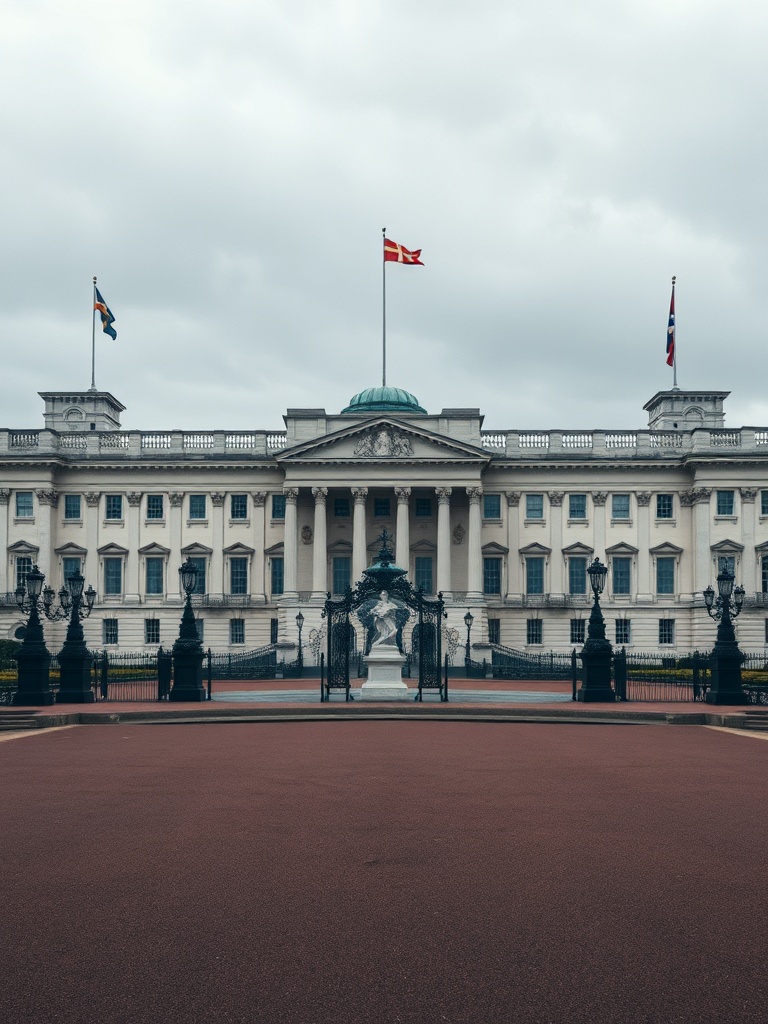
As both a working royal residence and a museum of statecraft, Buckingham Palace connects history with contemporary civic life. Its role in hosting state visitors, representing continuity, and providing a stage for national moments keeps it relevant to residents and international visitors alike.
For anyone planning a visit or simply viewing from a nearby park, the palace offers a layered experience of tradition, culture, and ceremony.
For the latest visitor information, ticketing and event updates, check official sources before you travel to ensure the best possible experience.
