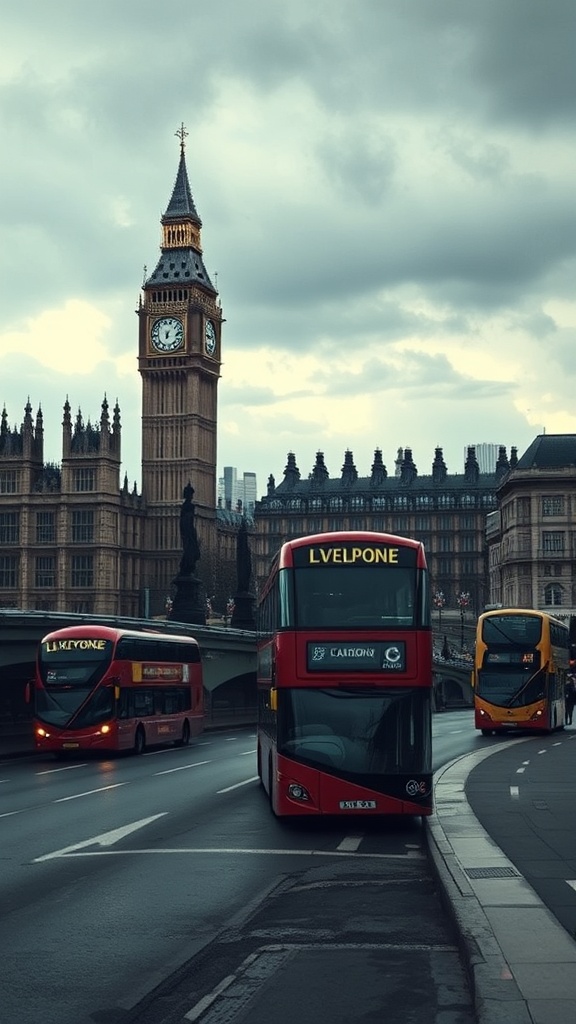
London continues to reinvent itself, blending centuries of history with a forward-looking energy that makes it one of the world’s most dynamic cities to visit, live in, or explore. Whether you’re planning a short break, a longer stay, or just keeping an eye on urban trends, understanding what shapes modern London helps you make the most of the city.
Getting around: smarter, greener travel
Transport in London is increasingly about choice. The Tube and buses remain the backbone of getting around, while river services and contactless payment make journeys smoother. Cycling infrastructure has expanded, with segregated lanes and quiet routes improving safety for riders. Electric buses and a growing network of low-emission zones are pushing the city toward cleaner air, and shared micromobility schemes offer flexible last-mile options. For visitors, buying an Oyster card or using contactless cards simplifies travel across modes.
Parks, waterways, and outdoor life
Green space is a defining feature of London life.
Large royal parks provide space for recreation and community events, while smaller pocket parks and tree-lined squares offer calm in dense neighborhoods.
The Thames riverfront and canals add a watery charm — walking or cycling along these routes reveals hidden gardens, historic docks, and modern developments. For a change of pace, explore urban nature reserves and high grounds that give sweeping views across the city.
Culture and attractions: beyond the headline sights
London’s major museums and galleries continue to draw global attention, and many offer free or pay-what-you-wish access to core collections. The West End remains a hub for major shows, but independent theatre, contemporary art spaces, and live music venues offer a wider spectrum of entertainment. Food culture is similarly diverse: markets showcase street food from around the world, Michelin-starred restaurants sit alongside neighborhood cafés, and a flourishing scene of modern British cuisine focuses on seasonal, locally sourced produce.
Neighborhoods with personality
Each London neighborhood has its own character. East London is known for creative vibrancy and market culture; South London blends residential calm with buzzing food and arts scenes; West London features elegant streets and boutique shopping; North London mixes village feel with cultural hotspots; and outer boroughs offer leafy suburbs and surprising cultural pockets. Exploring beyond central areas reveals more authentic local life and often better value for food and shopping.
Housing and work patterns
Hybrid working has reshaped how people use central offices and local high streets. Office-to-residential conversions and co-working spaces in neighborhood hubs reflect new habits, while local businesses adapt to changing commuter patterns. For those considering a move, factors like transport links, green space, and community amenities matter as much as rental and purchase prices.
Practical tips for visitors and newcomers
– Book popular attractions and theatre tickets in advance.
– Use contactless payment for transport and check travel apps for service updates.
– Walk or cycle where possible to discover hidden streets and local markets.
– Try food markets for affordable, authentic meals.
– Respect local rules around low-emission areas and parking if driving.
Whether you’re drawn by history, culture, food, or green initiatives, London offers a constantly evolving mix of old and new.
Embrace varied neighborhoods, use sustainable transport options where possible, and leave time to wander — some of the city’s best experiences are found off the main routes.