
Hidden Rivers of London: Unearthing the City’s Watery Past
London history is written in stone, brick — and water. Beneath busy streets and iconic landmarks lies a network of “lost rivers” that once shaped settlement, commerce and everyday life. Exploring these hidden waterways reveals a different map of the city, one that helps explain old lane names, unexpected valleys and why some places flood more easily than others.
Long before modern sewers and paved thoroughfares, London grew around natural streams that flowed into the tidal Thames. Rivers such as the Fleet, the Walbrook and the Tyburn were vital sources of fresh water, transport and mills. As the settlement expanded, these rivers attracted industry and housing, but also carried waste away.
Over time, urban growth, pollution and the need for more land led to them being diverted, culverted or incorporated into drainage schemes. Today most survive only as subterranean channels, audible in drains during heavy rain or visible as depressions in the street plan.
The River Fleet is one of the most famous lost rivers.
Once a substantial tributary entering the Thames near what is now Blackfriars, its course is remembered in place names — Fleet Street is a direct echo of the waterway that once ran there.
The Walbrook flowed through the heart of the ancient city, creating a small valley that influenced Roman and medieval urban layout; archaeological digs along its buried bed have turned up thousands of artifacts, offering clues to early urban life. The Tyburn traced a course across what became the West End, and its name survives in local landmarks and road names.
A turning point for these waterways came with the massive public-health and engineering efforts that shaped modern London. Ambitious sewer schemes transformed the city’s relationship to its rivers, channeling much of the flow underground into the municipal network. This infrastructure helped reduce diseases linked to contaminated water and allowed the city to densify; however, it also sealed over wetlands and natural drainage paths, creating long-term challenges for flood management and urban ecology.
Interest in the hidden rivers has grown among locals and visitors alike.
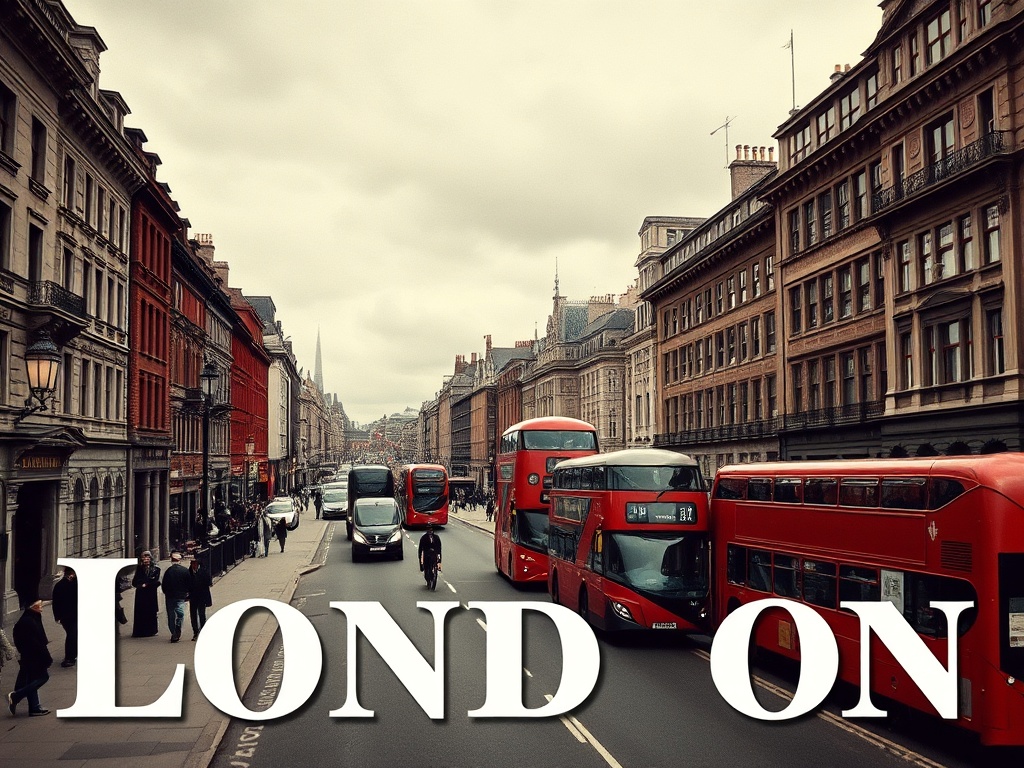
Walking tours, podcast series and guided archaeology projects invite people to trace routes where brooks once ran. Museums and interpretive plaques highlight excavations and artifacts retrieved from beneath the streets, reminding us how layered the city truly is.
Urban planners and environmentalists now look to these lost waterways as resources — daylighting projects, green corridors and improved stormwater management often take their original courses into account to reduce flood risk and boost biodiversity.
For anyone curious about London history, mapping the city’s rivers offers an accessible way to connect past and present. Start by following street names and topography: valleys, springs and sudden changes in street levels can hint at long-buried streams. Join a guided walk that focuses on lost rivers or visit local museums that display finds from urban digs. Photographs of exposed culverts, old maps overlayed on modern satellite views and contemporary art installations inspired by rivers make the hidden visible.
Understanding these forgotten waters is more than a historical exercise.
It highlights how cities evolve, how human choices shape landscapes, and how modern challenges like flooding and climate variability can be addressed by learning from natural drainage patterns.
The next time you walk across a low-lying patch of pavement or pass a street whose name seems oddly watery, imagine the brook that once ran there — a quiet reminder that beneath the city’s surface, history still flows.
