
London’s past reads like a layered novel — river, fortress, market, cathedral, factory, and global capital all stitched into one landscape. The city’s story is visible in its streets: beneath modern glass, Roman roads; around ancient wards, medieval alleys; and alongside sleek towers, museums preserving centuries of change. For anyone curious about urban evolution, London offers a compact history lesson that feels immediate and alive.
Origins and the river
The River Thames is the constant thread. Its bends determined where settlements grew, where bridges were built and where trade concentrated. The earliest urban outpost established along the river grew into a fortified settlement that became a hub for merchants and craftsmen.
Archaeology along the Thames has repeatedly uncovered pottery, coins, and remnants of docks, reminding visitors that London’s connection to global commerce began long before modern ports.
Power, faith, and architecture
Fortified castles and royal palaces anchored political power, while cathedrals and abbeys defined the spiritual life and skyline. One fortress by the river served as a royal stronghold, prison and treasury over many generations. Nearby, a great cathedral has been both a medieval pilgrimage site and a symbol of civic resilience after devastating catastrophes. These landmarks illustrate how authority, religion and urban identity intertwined, shaping law, culture and public rituals.
Markets, guilds and the rise of commerce
Markets and guilds turned London into a commercial powerhouse. Narrow lanes once filled with merchants of textiles, spices and imported luxuries. Merchant halls and livery companies regulated trade, sponsored hospitals and schools, and left behind richly decorated halls that survive as reminders of civic pride.
The growth of trade prompted urban reforms, the construction of bridges to connect commerce across the river, and a culture that valued navigation, finance and risk-taking.
Catastrophes and reinvention
Fire and conflict forced repeated reinvention. Major conflagrations and wartime bombing razed neighborhoods, creating opportunities for architects and planners to rethink streetscapes, building materials and public spaces. Rebuilding efforts often blended reverence for the past with ambitions for the future: baroque domes and elegant terraces rose alongside pragmatic new housing, while open squares and promenades emerged where dense medieval plots had stood.
Industrial and transport revolutions
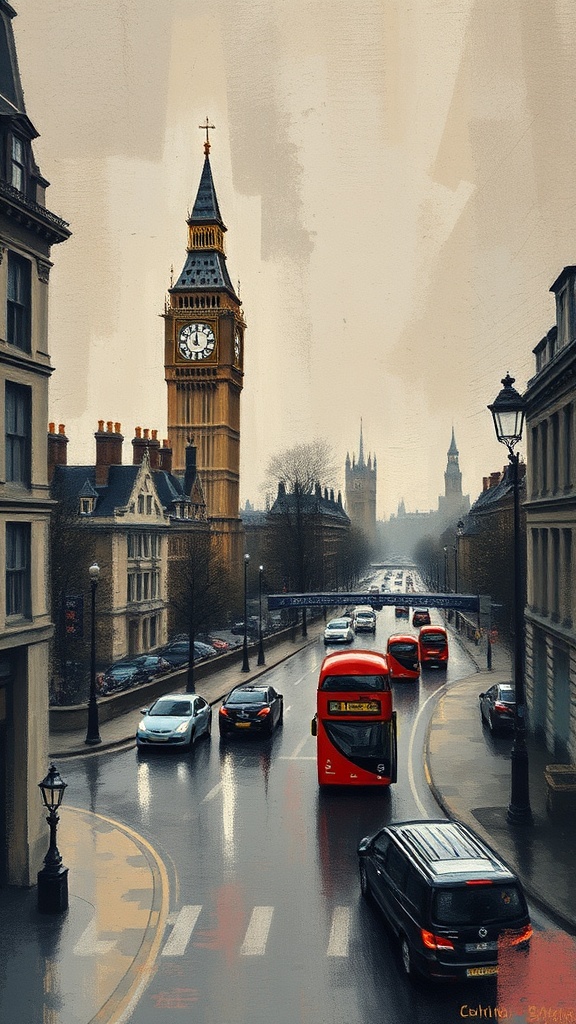
Industrial activity and transport innovation reshaped the city’s footprint.
Riverside wharves and factories gave way to rail depots and warehouses, and new transport networks knitted suburbs to a growing urban core. Underground rail lines and electrified trams transformed commuting patterns, enabling the expansion of residential areas and the development of modern suburbs. These changes fed demographic shifts and cultural diversification that characterize the metropolis.
Heritage, conservation and change
Conservation efforts balance preservation with contemporary needs. Historic districts, museums and archaeological displays protect traces of Roman masonry, medieval civic artifacts and industrial heritage. At the same time, contemporary architecture and adaptive reuse projects repurpose former warehouses and docks into cultural venues, offices and homes.
This dialogue between old and new keeps the city’s past visible, while allowing it to serve present needs.
Why it matters
Understanding London’s history reveals how cities adapt to economic forces, technological shifts and social upheaval. Each layer offers lessons: how trade networks influence urban wealth, how disasters catalyze planning innovations, and how communities negotiate heritage alongside growth. Visitors and residents alike can walk these stories — from riverside promenades to museum galleries — experiencing a living history that continues to evolve.
For anyone exploring urban history, London stands out as a case study in continuity and change: a city where the river has always guided fortunes, where resilience is built into the streets, and where the past remains a vital part of everyday life.
