
Queen Elizabeth: Why Her Legacy Still Shapes Public Life and Culture
Few public figures leave an influence that ripples across politics, fashion, media and national identity the way Queen Elizabeth did. Her presence—revered by many and debated by others—remains woven into how constitutional monarchy, ceremonial ritual and popular culture are understood today.
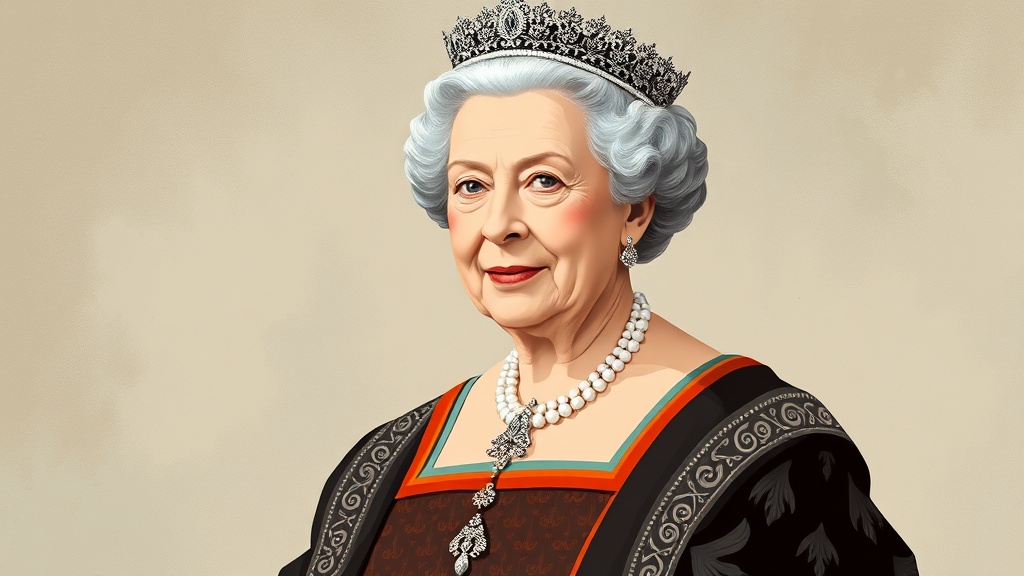
This article looks at the enduring elements of that legacy and how people continue to engage with her story.
A symbol beyond the crown
Beyond the constitutional duties a monarch performs, Queen Elizabeth became a global symbol of continuity. Portraits, statues and official likenesses still appear across the United Kingdom and in many Commonwealth countries, shaping public spaces and currency. Her image has been used to mark official anniversaries, charitable milestones and state ceremonies, and it continues to anchor national rituals that rely on a sense of historical continuity.
Cultural resonance and popular portrayals
Dramatizations, biographies and documentaries have sustained popular interest in her life and the institution she represented. These portrayals spark conversation about private life versus public duty, the pressures of leadership, and the human side of royal service. Some productions aim for historical fidelity; others take creative liberties—both approaches keep her story in the cultural foreground and invite viewers to reassess the monarchy’s place in modern society.
Fashion and iconic style
Her easily recognizable style—tailored coats, matching hats, bold color palettes and a string of pearls—left a clear imprint on contemporary fashion.
Designers and curators still cite her wardrobe as a study in personal branding through dress: consistent, visible and strategically suited to public engagement. Costume exhibits and museum displays often highlight how a monarch’s sartorial choices can become a form of soft power.
Philanthropy, patronage and public service
An important part of the legacy is philanthropic. Over a long period of public life, she supported hundreds of organizations spanning arts, education, health and conservation. That network of patronages helped raise the profile of many smaller causes and emphasized the role of the royal household in fostering civic engagement. Charitable groups and civic institutions continue to reference those long-standing ties when interpreting institutional histories.
Archives, memorabilia and places to explore
Royal archives, state rooms and curated exhibitions offer accessible ways to explore her life and impact.
Public displays of official robes, correspondence and personal items provide historical context and humanize public narratives. Many museums and historic houses maintain rotating exhibits that attract a steady stream of visitors, while digital archives make selected materials available to a global audience.
Continuing debates and reinterpretation
Her legacy also fuels ongoing debates about the role of monarchy in a modern democracy, issues of succession, and how historical institutions adapt to changing social values. These conversations are reflected in academic work, editorial commentary and grassroots discussions, showing that legacy is not static but continually reinterpreted by each generation.
How to engage with the legacy
– Visit royal collections and museum exhibitions to see artifacts and official portraits up close.
– Explore trusted documentaries and biographies for context and different perspectives.
– Follow commemorative exhibitions and public programming at historic sites.
– Read primary-source material from public archives to form independent views.
Her influence is evident in ceremonial life, public spaces, and cultural production.
Whether approached as history, symbolism, or contemporary relevance, the legacy of Queen Elizabeth remains a living subject—one that invites ongoing exploration and thoughtful discussion.
