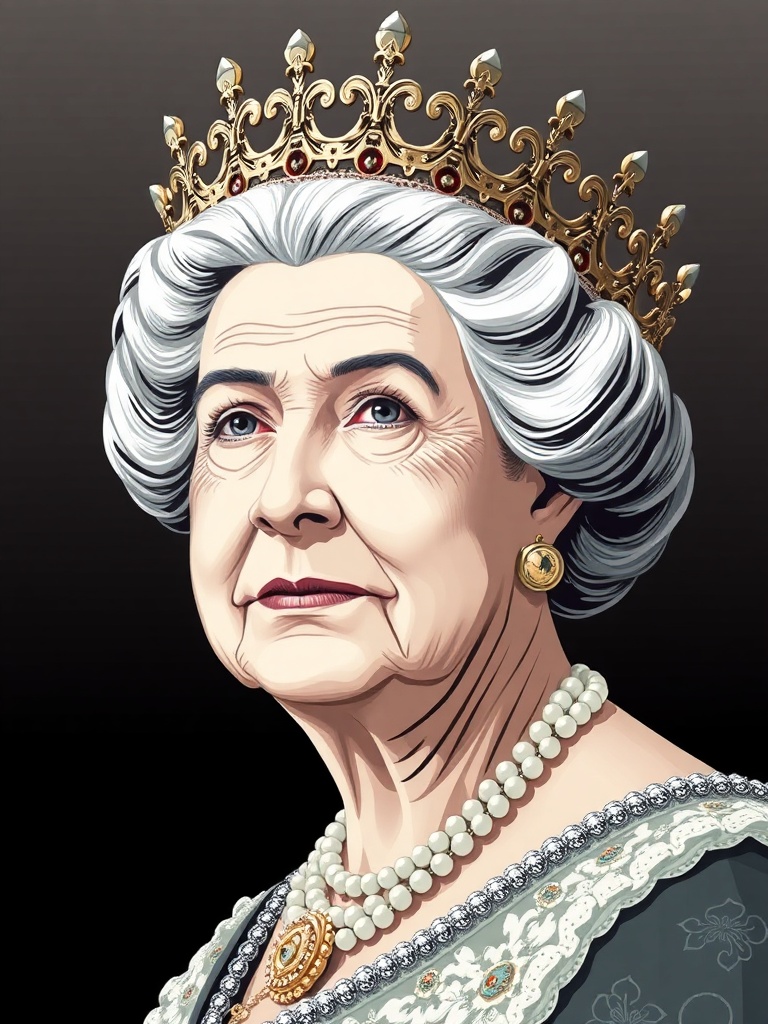
Queen Elizabeth: a lasting symbol of duty, continuity and cultural influence
Few public figures have shaped modern perceptions of monarchy as profoundly. Queen Elizabeth’s life and reign combined steadfast public service with subtle modernization, creating a legacy that continues to influence the royal institution, public life, and popular culture.
A life of service and stability
At the heart of her appeal was a sense of duty. Seen by many as a reassuring figure through political change, social shifts and global uncertainty, she embodied continuity.
Her steady presence during national moments—both celebratory and somber—helped anchor public sentiment, while her ceremonial role provided a unifying focus for the nations she represented. This combination of symbolic leadership and personal stoicism reshaped expectations of what modern monarchy could be.
Modernizing the monarchy without breaking tradition
Rather than discarding tradition, she balanced it with careful adaptation. The monarchy under her became more visible through evolving media strategies, official broadcasts, and selective openness that invited public engagement while preserving dignity. Small but meaningful reforms—like embracing televised public events and adapting ceremonial practices—helped the institution stay relevant without losing its historical gravitas.
Patronage, charities and public impact
Her extensive patronage across charities, arts, education and science brought sustained attention and funding to causes that might otherwise have struggled for visibility. By lending royal association to thousands of organizations, she amplified philanthropic efforts and encouraged civic participation. The royal household’s support of cultural institutions and local initiatives created a ripple effect that strengthened community projects and national institutions alike.
Style, symbolism and soft power
Fashion and pageantry became more than aesthetics; they were tools of diplomacy and national identity. Her wardrobe choices, from bold colors at public engagements to carefully selected accessories, were often designed to signal welcome, respect or solidarity. Beyond clothing, ceremonial rituals, state visits and public appearances served as instruments of soft power—shaping international perceptions, promoting trade, and supporting cultural exchange.
A quieter private life
Behind the public role was a private person with enduring interests. A well-known love of horses, country estates and family life offered human moments that contrasted with formal duties. Those glimpses helped the public relate to her on a personal level, reinforcing a narrative of service grounded in everyday values.
Enduring cultural influence
From films and television to literature and tourism, Queen Elizabeth’s image became embedded in global culture. Her life and the institution she led inspired countless creative works and documentaries, while royal residences and ceremonies drew visitors and boosted local economies. The monarchy’s blend of spectacle and service continues to be a compelling subject for storytelling and national branding.
Lessons for institutions and leaders
Her approach offers lessons for leaders navigating public trust: prioritize duty, adapt thoughtfully, and use symbolism deliberately.
Institutions that balance tradition with measured change often find greater resilience and public legitimacy.
Whether remembered for ceremonial moments, charitable impact, or cultural resonance, Queen Elizabeth’s legacy persists as a study in how a single figure can steer an ancient institution toward relevance in a changing world. Her example remains a reference point for public service, leadership and the power of combining dignity with accessibility.