
How Queen Elizabeth reshaped the modern monarchy and why her legacy still matters
Few public figures have had as lasting an impact on the British monarchy and the wider Commonwealth as Queen Elizabeth.
Her presence transformed monarchy from a distant institution into a symbol that many around the world follow with interest. Today, her legacy continues to influence royal protocol, public expectations, cultural memory, and tourism.
A steady constitutional figure
One defining feature of Queen Elizabeth’s legacy is the model of a steady, largely apolitical head of state who fulfilled constitutional duties with visible consistency. Working with successive heads of government and overseeing countless state occasions, she embodied continuity during times of social and political change. That steadiness helped shape public perceptions of the monarchy as a unifying institution rather than a partisan force.
Modernizing through broadcast and media
Long before social media dominated public life, Queen Elizabeth recognized the power of modern communication. From allowing key events to be broadcast to embracing televised public addresses, she helped the monarchy speak directly to people in their homes. This willingness to engage with new media made the royal family more accessible and humanized an institution often seen as distant. Today, royal communication strategies still draw on that earlier example of media engagement.
Champion of charities and cultural institutions
Patronage was central to Queen Elizabeth’s public role.
She supported hundreds of charities, museums, educational institutions, and cultural organizations, often lending royal attention that raised visibility and funding for important causes.
That pattern of high-profile patronage set expectations for how members of the royal family can use their positions to spotlight social issues and community projects.
A complex relationship with the Commonwealth
Queen Elizabeth’s role as head of the Commonwealth helped maintain a shared framework for cooperation among member nations, even as each country defined its own path.
Her tours and engagements across the Commonwealth cultivated personal connections and symbolized a commitment to international ties beyond formal diplomacy.
Conversations about the Commonwealth’s future continue to reference the personal groundwork she laid.
Cultural influence and tourism
Royal events, ceremonial pageantry, and personal style combined to make the monarchy a major cultural export.
From fashion trends to commemorative coins, stamps, and memorabilia, the Queen’s image has been woven into popular culture worldwide.
Historic royal sites linked to her life draw travelers seeking to connect with that heritage, supporting local economies and museums that preserve royal history.
How the legacy endures
Institutions, museums, and archives continue to preserve and reinterpret materials from Queen Elizabeth’s life—public addresses, photographs, and personal artifacts that offer insight into her role and the changing monarchy.
Scholars, curators, and cultural commentators examine how a modern constitutional monarch navigated public duty and private life, and how that model informs contemporary debates about monarchy, national identity, and public service.
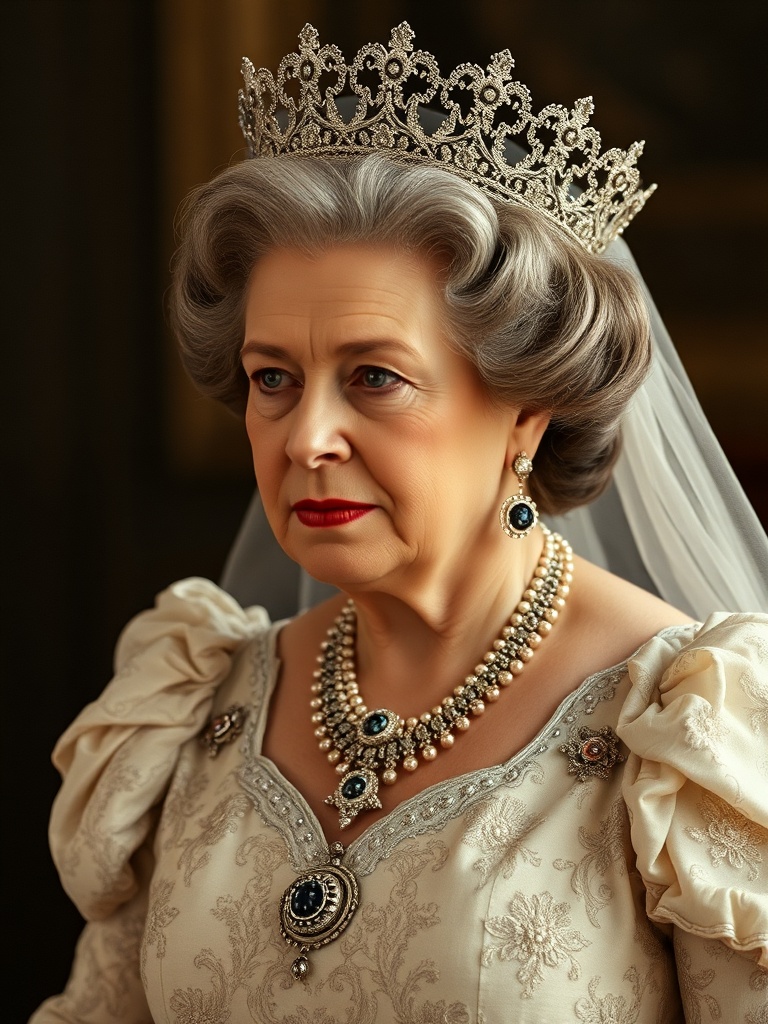
For anyone interested in contemporary British history, constitutional practice, or cultural influence, Queen Elizabeth’s life and public work remain rich areas for exploration. Her example continues to inform how monarchy is practiced, presented, and experienced across communities at home and around the world.
