
Queen Elizabeth II’s legacy reaches far beyond ceremonial crowns and opulent palaces. As one of the most recognizable figures of modern monarchy, her impact reshaped public expectations of royal service, influenced the role of constitutional monarchy, and helped redefine how a hereditary institution engages with a global audience.
A model of constancy and service
At the heart of her public persona was a commitment to duty and continuity. Regular public appearances, state engagements, and carefully balanced remarks reinforced the idea that the monarch serves as a steadying presence above the political fray.
That impartiality is central to constitutional monarchy: the sovereign performs essential rituals of state while remaining neutral on political matters, providing a unifying symbol during times of both celebration and crisis.
Modernizing a centuries-old institution
While steeped in tradition, the monarchy under her watch embraced modern communication and transparency in measured ways.
Televised ceremonies, official statements delivered via contemporary media, and strategic use of photography and broadcasts helped bring the royal household closer to the public. This blend of tradition and innovation helped the institution stay relevant in an age of rapid cultural and technological change, showing how continuity can coexist with adaptation.
Global diplomacy and the Commonwealth
Her role extended well beyond the British Isles.
As head of a global network of independent nations within the Commonwealth, she played a diplomatic role that emphasized soft power—building bridges through visits, ceremonies, and personal relationships. These ties helped maintain cultural and institutional bonds across continents without direct political control, illustrating how a monarchy can influence international relationships through presence and symbolism rather than policy.
Philanthropy and patronages
A significant part of her public work involved patronage of charities and institutions spanning health, education, the arts, and the environment. Royal patronages can elevate causes by offering visibility and legitimacy, encouraging fundraising and volunteer engagement.
The breadth of organizations associated with the crown demonstrates how symbolic leadership can translate into practical support for civic initiatives.
Symbolism in culture and media
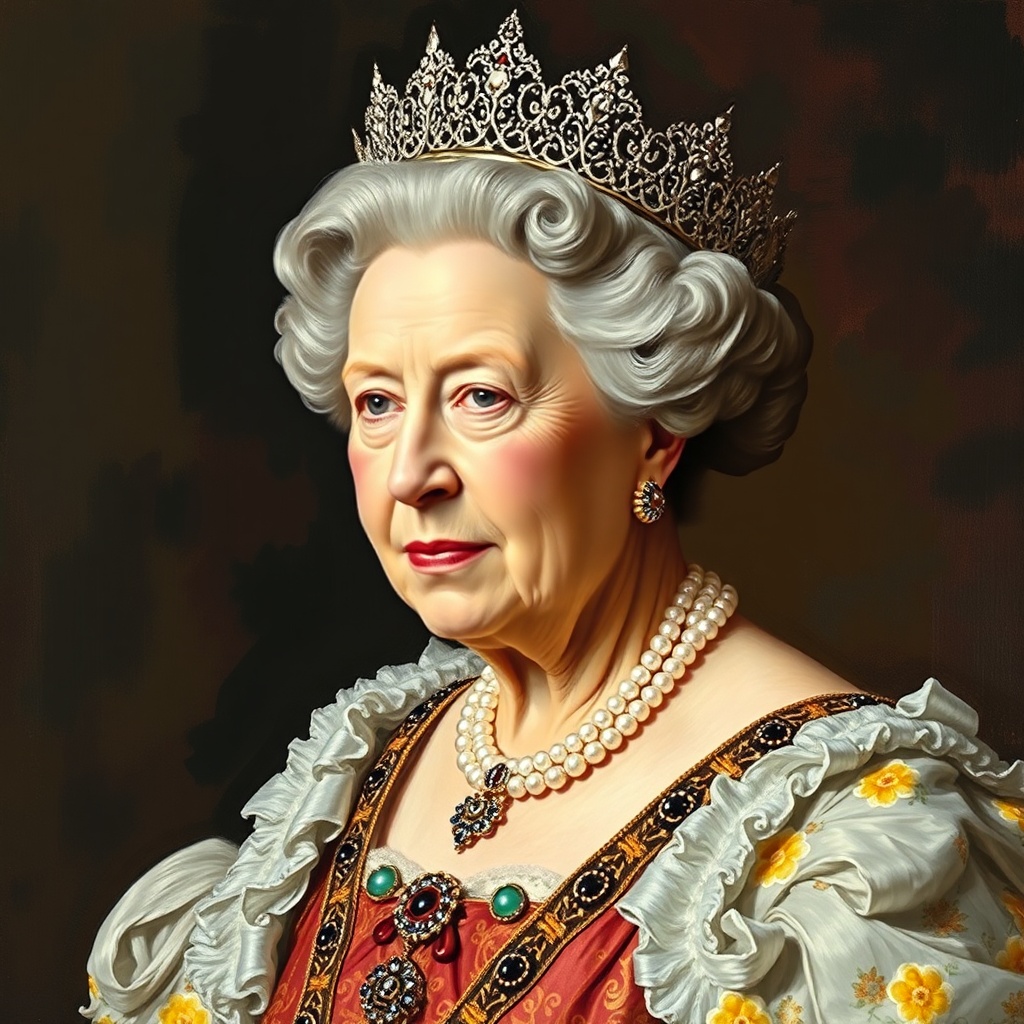
Queen Elizabeth’s image is ubiquitous in popular culture, design, and public memory. From portraits and stamps to film and fashion, she became an icon whose likeness communicated stability, tradition, and national identity. Creative reinterpretations—serious and satirical—have both critiqued and celebrated the monarchy, ensuring the institution remains a lively subject of public conversation.
Lessons for the future of monarchy
Her legacy offers lessons for monarchies navigating modern expectations: transparency without erosion of mystique, careful media engagement, and a focus on service-oriented roles that complement democratic institutions. The monarchy’s ability to evolve while upholding ceremonial duties suggests a path forward that balances relevance with reverence.
A lasting imprint
Whether viewed through the lens of constitutional function, cultural symbolism, or personal leadership, Queen Elizabeth left a lasting imprint on the idea of monarchy in the modern era. Her example continues to influence how leaders with symbolic authority are perceived and how venerable institutions adapt to changing social landscapes, keeping the conversation about tradition and transformation very much alive.
