
The River Thames has been the artery of London’s story for centuries, shaping settlement, trade, defense and culture along its winding course. From its role as a working waterway to its current position as a scenic centerpiece, the Thames offers a compact history of how a city evolves around a river.
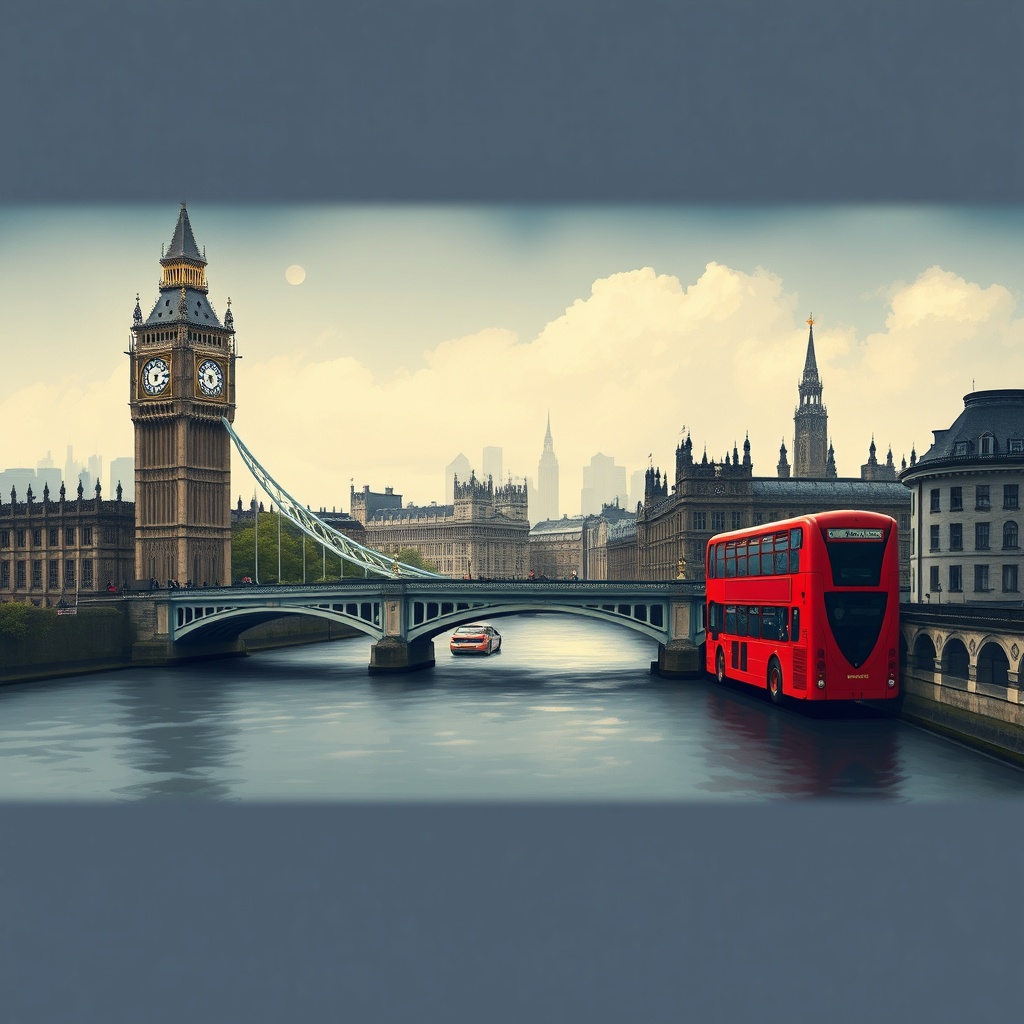
Geography and early settlement
The Thames’ navigable reach made it a natural place for early settlement. Its tidal stretch provided access to inland routes and to the sea, encouraging trade, fishing and transport. Settlements clustered on both banks, with crossings and fords becoming focal points for markets, administration and communities. Over time, these riverside nodes joined to form the dense urban corridor known as London.
Commerce, industry and the port
For centuries the Thames served as a bustling commercial highway. Warehouses, wharves and shipyards lined the banks, and the river carried goods, people and ideas. The growth of the port transformed the riverfront: docks expanded, river trade fueled urban growth, and the river was central to the city’s economic life. As shipping technology and logistics changed, many traditional dockyards closed, making way for regeneration efforts that converted industrial sites into cultural and residential districts.
Defense and dramatic moments
The Thames has also been a defensive frontier and a stage for dramatic events.
Fortified sites and watchpoints controlled access to the city, while river traffic could be critical during times of conflict.
Major disasters and episodes—fires, storm tides and outbreaks of disease—often revolved around the river’s banks and the crowded neighborhoods nearby, prompting changes to urban planning and public health responses.
Pollution, recovery and ecology
Industrialization left the Thames polluted and biologically depleted for a long period. Concerted cleanup efforts shifted public policy and community priorities, driving river restoration, sewage improvements and habitat creation. As a result, wildlife has returned: fish populations have rebounded, birdlife flourishes, and the Thames supports an increasingly healthy urban ecosystem. River stewardship continues to involve multiple stakeholders—local communities, environmental groups and municipal agencies—working to balance recreation, commerce and conservation.
Flood management and infrastructure
Managing the river’s tides and flood risk has been a constant concern.
Engineering projects and flood defenses were introduced to protect low-lying neighborhoods and critical infrastructure. These interventions have reduced the immediate flood threat while adding new layers to the river’s built environment—bridges, embankments and barriers that are now part of the city’s visual identity.
Culture, leisure and regeneration
Culturally, the Thames inspires writers, artists and filmmakers. Its riverbanks host museums, theatres, markets and promenades. Regeneration schemes on former industrial sites have created vibrant mixed-use areas with galleries, parks and waterside dining.
The river is also a popular setting for festivals, boat tours and leisure activities that connect residents and visitors to the city’s history and present-day life.
Must-see riverside highlights
– Major cultural hubs and museums clustered along the banks
– Historic fortifications and iconic bridges offering views of the skyline
– Regenerated docklands turned into residential and creative districts
– Riverwalks and parks that showcase wildlife and interpretive signage
Why it matters
The Thames remains more than a scenic backdrop; it is a living element of the city’s identity. Its history reflects patterns of trade, technological change, social struggle and renewal. Whether you’re exploring riverside museums, watching wildlife return to previously degraded waters or strolling a redeveloped dock, the river offers a way to read the city’s past and its ongoing reinvention. The Thames continues to shape how London meets the challenges of urban life, climate resilience and cultural renewal.
