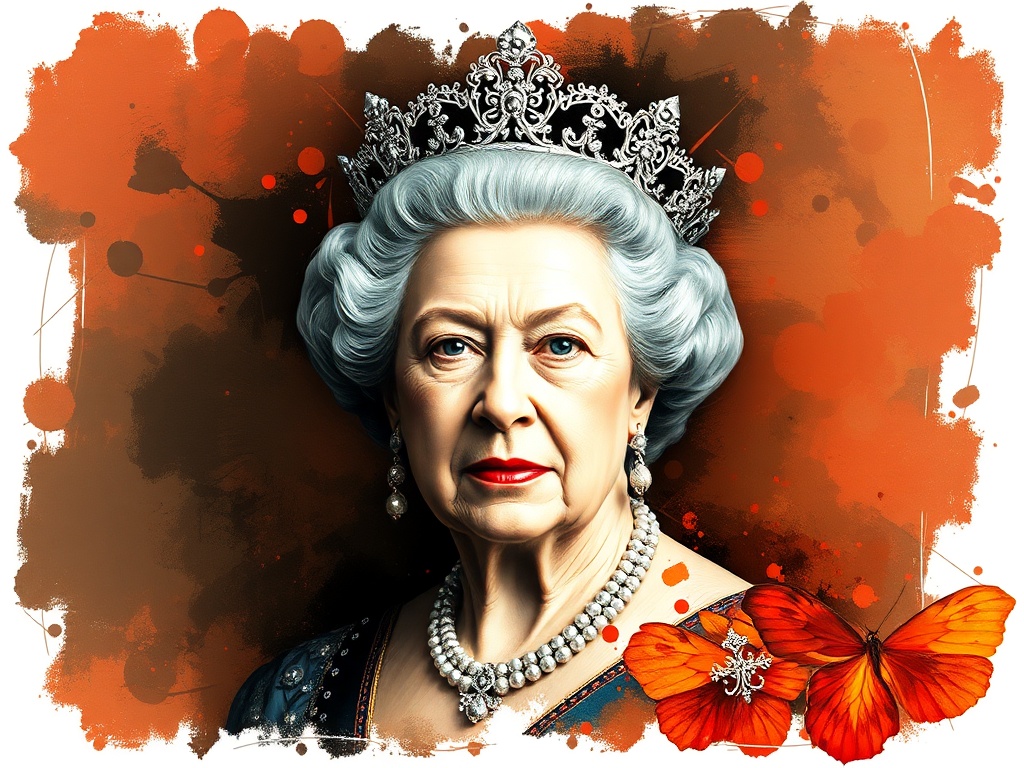
Queen Elizabeth and the evolution of a modern monarchy
Queen Elizabeth remains one of the most recognizable figures of recent history, a symbol whose public life spanned profound social and political change.
Her presence shaped perceptions of the monarchy and influenced how constitutional monarchies function in a rapidly changing world.
A life of public service
From the outset of her public responsibilities, Queen Elizabeth emphasized duty and continuity.
Her approach combined traditional ceremonial roles with steady public engagement, offering reassurance during times of national challenge and celebration. That balance—upholding centuries-old ceremonies while showing visible personal commitment—helped maintain the monarchy’s relevance across shifting social attitudes.
Constitutional role and soft power
As head of state, Queen Elizabeth performed constitutional duties with restraint and impartiality, acting as a steadying figure above party politics. That nonpartisan stance reinforced democratic institutions by underscoring the separation between ceremonial authority and elected government. Beyond formal duties, her soft power was significant: state visits, Commonwealth tours, and high-profile meetings projected a form of diplomatic influence that complemented official foreign policy without supplanting it.
Modernization and media savvy
While steeped in tradition, the monarchy under Queen Elizabeth adapted to modern media. Televised events, public addresses, and carefully orchestrated digital initiatives helped bridge the gap between palace walls and everyday life. This willingness to engage with new communication channels made royal rituals accessible to broader audiences and softened perceptions of an institution often seen as remote.
The Commonwealth and global ties
One of the most enduring aspects of Queen Elizabeth’s legacy is her relationship with the Commonwealth. She nurtured ties among nations with diverse cultures and histories, promoting cooperation and shared values. Her role in sustaining these connections underscored the monarchy’s unique capacity to act as a symbol of continuity across former imperial relationships, while also encouraging dialogue about the organization’s future direction.
Cultural resonance and public rituals
Public ceremonies and national milestones became moments of collective identity in which the monarchy served as focus.
Whether marking moments of national pride or times of reflection, these rituals allowed people to participate in a shared story.
The Queen’s image—often photographed in brightly colored attire and distinctive hats—became instantly recognizable, reinforcing a sense of familiarity amid change.
Challenges and adaptation
The monarchy faced scrutiny and calls for reform, reflecting broader debates about privilege, accountability, and history.
Responses to those challenges varied, prompting some institutional changes and renewed emphasis on transparency. Adaptation involved both symbolic gestures and practical reforms aimed at aligning the monarchy more closely with contemporary expectations.
An evolving legacy
Queen Elizabeth’s legacy is multifaceted: a dedication to duty, a careful stewardship of constitutional role, and an ability to personify continuity during times of transformation. Her influence continues to shape conversations about monarchy, national identity, and the role of ceremonial institutions in modern democratic societies.
As public institutions evolve, the lessons of her tenure—about visibility, restraint, and service—remain relevant to discussions about leadership and public trust.
For those exploring this chapter of history, the story of Queen Elizabeth offers a lens on how tradition and change can coexist, and how symbolic leadership can adapt to the demands of a connected world.