
Queen Elizabeth’s enduring legacy is defined less by spectacle and more by steady public service, institutional continuity, and a knack for adapting tradition to a changing world.
Whether viewed through the lens of constitutional duties, global relationships, or popular culture, her influence reshaped how modern monarchies relate to the public and to political life.
A life of public service
At the core of Queen Elizabeth’s public image is an unwavering commitment to duty. As head of state, she maintained the constitutional boundaries of the monarchy while performing ceremonial and symbolic roles that anchor national identity. Her approach emphasized constancy: regular engagements, carefully scripted state occasions, and a disciplined sense of neutrality that allowed the crown to function as a unifying presence above partisan politics.
That steadiness proved especially valuable during times of upheaval, when continuity mattered more than ever.
Modernizing the monarchy
One reason the institution remained relevant was its willingness to evolve. Under her watch, many royal traditions were retooled to meet contemporary expectations. Ceremonies were adapted for wider public access, communications embraced new media channels to share more candid glimpses of royal life, and patronage extended into causes that reflected changing social priorities.
These shifts helped the monarchy stay visible and accessible without losing its ceremonial gravitas, offering a template for balancing heritage and modernization.
Global presence and commonwealth ties
The Queen’s role reached far beyond the palace gates.
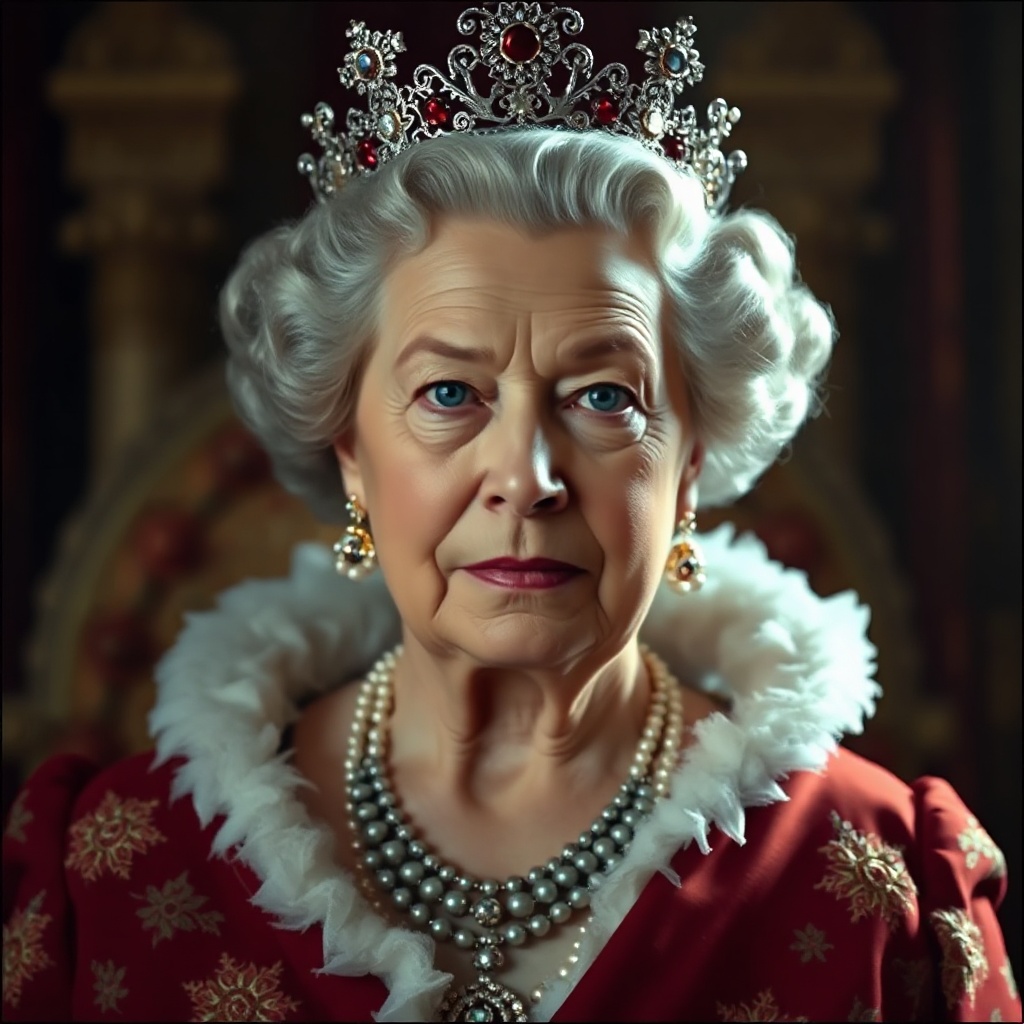
As head of a global network of nations and a frequent figure in diplomatic engagement, she helped sustain long-term relationships across continents.
State visits, cultural exchanges, and sustained engagement with civic leaders reinforced soft power and promoted mutual understanding. Her persona often served as a bridge between tradition and modern diplomacy, helping to underscore shared history while supporting collaborative futures.
Cultural impact and public perception
Cultural portrayals—from documentaries to dramatized series—played a major part in shaping public perception of the monarchy. These narratives highlighted both the human side of royal life and the weight of inherited duty. Public interest in royal fashion, ceremonies, and private moments kept the monarchy in the cultural conversation, while philanthropic work and high-profile patronages showcased a commitment to social causes ranging from healthcare to the arts.
Lessons for leadership and institutions
There are practical lessons in Queen Elizabeth’s approach that apply beyond royal households. Consistency, respect for institutional roles, and the ability to adapt without abandoning core principles are valuable for leaders in business, government, and civic life. The balance of visibility and discretion created a model for exercising influence without overt politicization—an approach that often enhances legitimacy.
Continuing conversations
The conversation about the monarchy’s place in modern society continues to evolve. Debates about relevance, reform, and representation keep institutions accountable and responsive. What remains clear from Queen Elizabeth’s legacy is the power of a leadership style rooted in duty and continuity, one that navigated change while preserving a sense of national and cultural identity. Her story remains a reference point for understanding how tradition and adaptation can coexist within a public institution.
