
Queen Elizabeth remains one of the most recognizable figures of modern monarchy, a symbol of continuity, duty, and ceremonial gravitas. Whether admired for her steadfast public service, her instantly identifiable wardrobe, or the way she balanced tradition with gradual modernisation, her legacy continues to shape public conversation about monarchy, national identity, and soft power.
Why she mattered
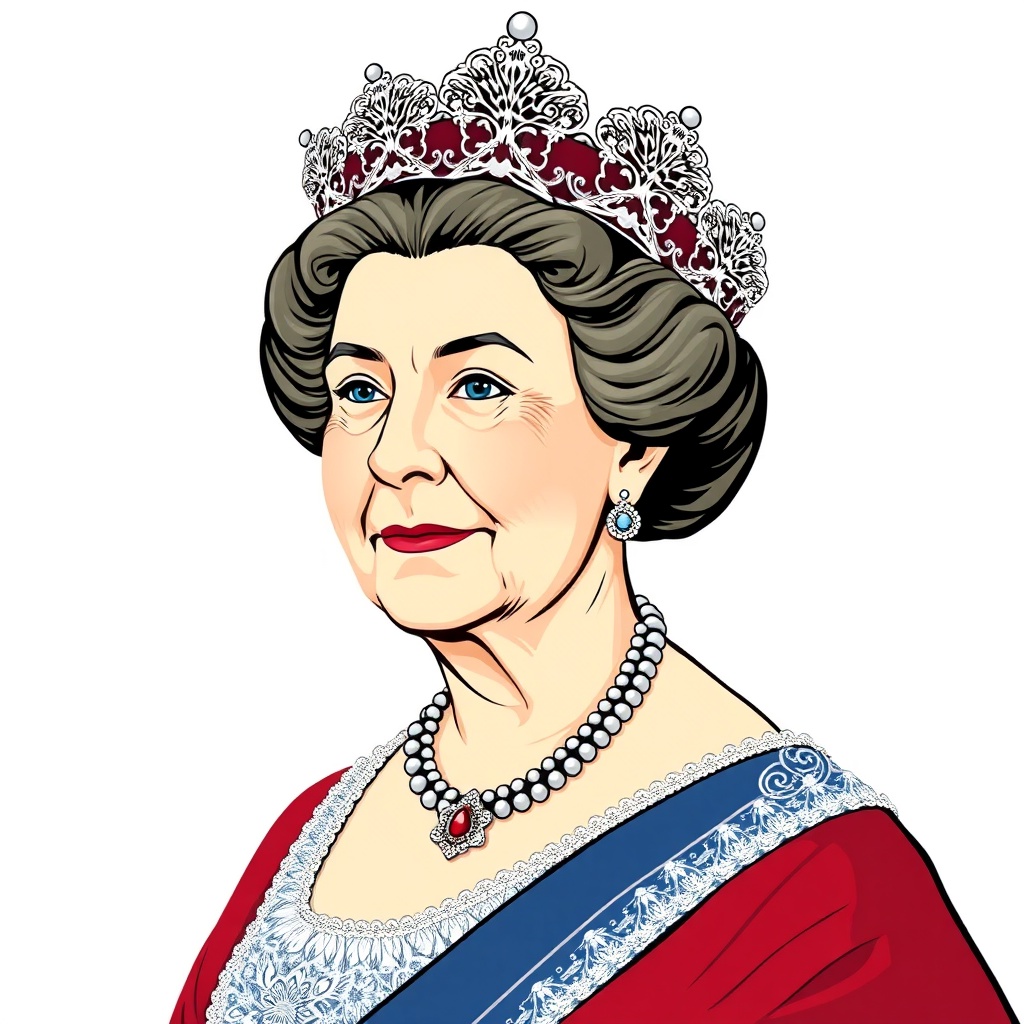
At the heart of her public appeal was a clear sense of duty. She was synonymous with the idea that a monarch acts as a steadying presence during times of celebration and challenge alike. This role—largely symbolic but deeply influential—helped define how constitutional monarchies operate today: as institutions that provide national cohesion, perform diplomatic rituals, and embody historical continuity without direct political power.
Cultural and diplomatic influence
Beyond ceremonial duties, the monarch functioned as a remarkable instrument of soft power. Royal visits, state receptions, and patronages helped strengthen diplomatic ties and promote cultural exchange. Her face appearing on coins, stamps, and public monuments served as a subtle reminder of national identity and common heritage across multiple countries. This widespread representation also fuelled tourism and media interest, making the monarchy a significant cultural brand with global reach.
Modernising a tradition
While firmly rooted in tradition, the monarchy under her reign also adapted to changing expectations. The institution gradually embraced new forms of communication, from televised ceremonies to more open access for certain public events, reflecting a desire to remain relevant and approachable. Patronage of contemporary arts, science, and charity work helped bridge the historic role of monarchy with modern public priorities, demonstrating how ceremonial figures can support civic life and charitable causes without direct governance.
Fashion and popular image
One of the most visible aspects of her public persona was a distinctive, intentionally memorable style. Brightly colored coats and matching hats became a practical choice for ensuring visibility during public events while also evolving into a beloved cultural icon. Millinery and tailoring inspired by that aesthetic appear regularly in exhibitions and retrospectives, underscoring how personal style can become part of a broader national story.
Challenges and scrutiny
The monarchy’s survival in the public eye depended on its ability to respond to scrutiny and evolving social norms. Media attention, changing expectations around transparency, and debates about relevance prompted conversations about reform and the balance between public interest and private life.
These discussions continue to shape how the institution presents itself and engages with citizens.
Enduring legacy
Whether viewed through the lens of ceremonial duty, cultural symbolism, or fashion, Queen Elizabeth’s impact endures.
Her image and the institutions she represented provide a case study in how long-standing symbols adapt to the demands of modern society while preserving a sense of continuity. For historians, cultural commentators, and curious observers alike, her life offers insights into the interplay between tradition and change, and how public figures can shape national identity without seeking political power.
For anyone interested in heritage, diplomacy, or cultural influence, exploring the many facets of her legacy reveals how ceremonial leadership remains relevant in a rapidly changing world—anchoring rituals and public life even as societies evolve.
