
London’s restaurant scene remains one of the world’s most lively and varied dining landscapes. From white-tablecloth tasting menus to buzzy street-food stalls, the city offers choices for every mood and budget. Whether you’re hunting for a special occasion spot or a reliable neighbourhood plate, knowing where to look and what to expect makes all the difference.
What’s shaping the scene
Sustainability and seasonality are guiding menus across the city. Chefs focus on local suppliers, nose-to-tail and root-to-stem techniques, and reduced food waste.
Plant-forward dining has moved beyond niche into mainstream, with many restaurants offering inventive vegetarian and vegan tasting menus that appeal to meat-eaters and plant-lovers alike.
Pop-ups, supper clubs and collaborative chef residencies bring constant refreshment to established neighbourhoods, making discovery part of the fun.
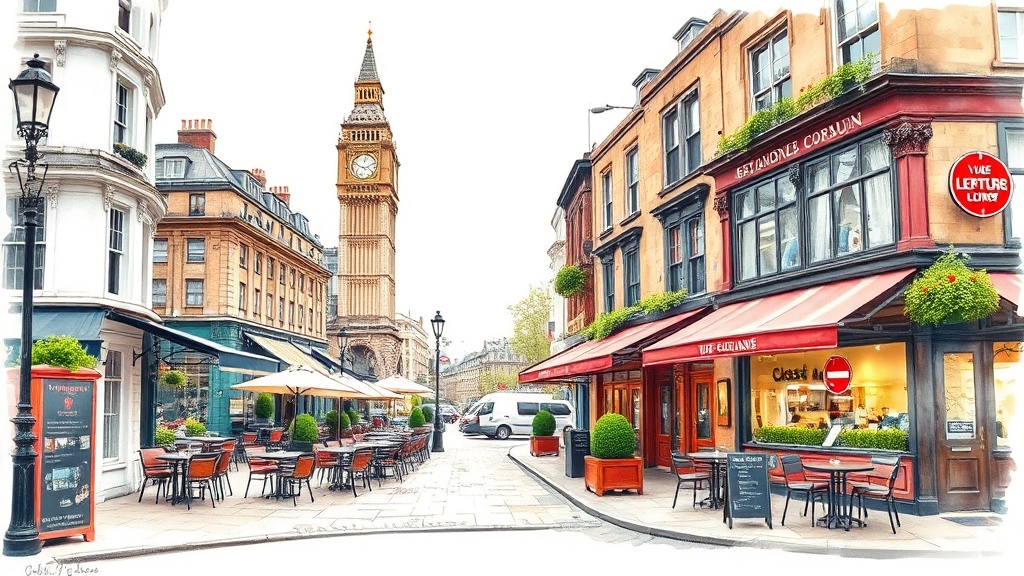
Where to eat by vibe
– Fine dining and tasting menus: London hosts numerous acclaimed tasting-menu destinations for milestone meals or impressive dates. Expect small, meticulously composed courses and polite, knowledgeable service. Reservations are essential for the most sought-after tables.
– Casual and neighbourhood restaurants: Every borough has its local gems — from refined bistros to modern gastropubs — perfect for relaxed dinners and repeat visits. These spots often feature seasonal, comfort-driven cooking with friendlier price points.
– Street food and markets: Markets remain a reliable place to sample global flavours in one place. Popular markets combine permanent stalls and rotating vendors, making them excellent for groups with mixed tastes.
– Rooftops and waterfronts: For scenery, rooftop restaurants and riverside terraces deliver memorable backdrops alongside curated cocktails and modern dishes. Book ahead for sunset service.
Practical tips for booking and dining
– Timing matters: Weekday lunchtimes and earlier dinner slots often offer quieter dining and set-menu deals. For popular weekend tables, aim to reserve as soon as bookings open.
– Use multiple channels: Many restaurants take direct bookings on their websites plus listings on major reservation platforms. Calling can sometimes net last-minute availability or cancellations.
– Check dietary flexibility: Most reputable restaurants now cater to common allergies and dietary preferences. Mention restrictions when booking and again on arrival.
– Set-menu savings: Pre-theatre and prix-fixe menus provide excellent quality at reduced prices — ideal for trying a chef’s craft without the full tasting-menu bill.
– Dress codes and etiquette: Dress codes vary widely.
Upscale spots may request smart attire, while neighbourhood joints often embrace casual wear.
If unsure, check the restaurant’s website.
Finding the latest openings and reviews
Reliable local sources, food critics and user-review platforms make it easy to track new arrivals and trending concepts. Social channels and restaurant newsletters are useful for pop-ups and one-off events. For a more curated shortlist, look for roundups that focus on specific neighbourhoods, cuisines or values like sustainable sourcing.
Budget-friendly strategies
Explore lunch menus, set menus, early-evening deals and market options to keep costs down. Sharing plates at small-plate restaurants can give variety without oversized bills. For groups, family-style restaurants often offer better per-person value.
Final dining mindset
Approach London dining with curiosity: try a new neighbourhood, follow a chef you admire, or book something a little outside your comfort zone.
With careful planning and an open palate, the city’s restaurants reward both explorers and regulars with unforgettable meals.
