
London restaurants continue to be a global magnet for food lovers, blending centuries-old traditions with bold, contemporary experiments.
Whether craving a classic Sunday roast, a prix fixe tasting menu, or late-night street food, the city’s dining scene offers something for every palate and budget.
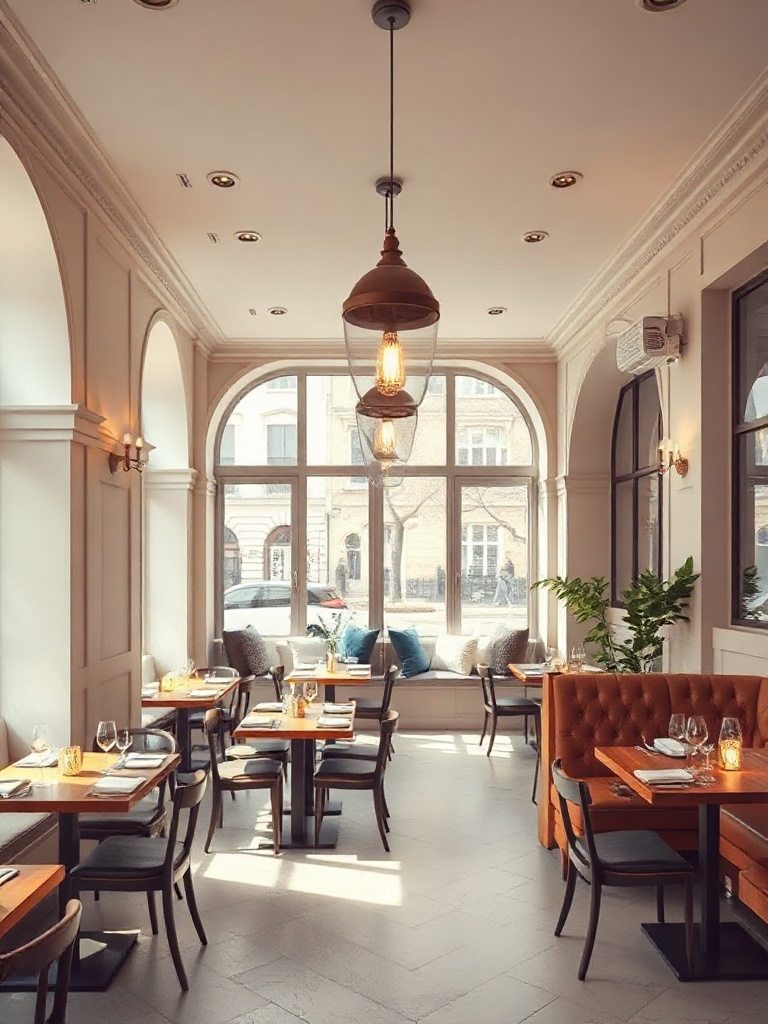
What to expect
– Diversity: From Michelin-starred fine dining to independent neighbourhood eateries, London serves dishes from every cuisine. Expect regional British produce alongside vibrant global flavours—South Asian spices, modern European techniques, and inventive plant-based creations.
– Seasons and sourcing: Many kitchens prioritize seasonal British ingredients and sustainable sourcing. Menus rotate to reflect what’s freshest, meaning menus change often and highlight local farms and ethically caught seafood.
– Formats: Dining formats vary widely—set lunches and tasting menus for a special occasion, casual sharing plates and tapas-style small plates for relaxed evenings, and food markets or halls offering fast, high-quality bites.
Where to eat by vibe
– Classic British: Gastropubs and neighbourhood restaurants offer hearty roasts, classic pies, and quality British cheeses. Look for places that champion local breweries and seasonal veg.
– Fine dining: London’s fine-dining scene focuses on technique, story-driven tasting menus, and wine pairings. Many restaurants champion sustainability and hyper-local ingredients.
– Casual and global: Bustling streets in areas like Soho, Shoreditch, and South Kensington host lively restaurants and late-night eateries.
Expect bold, authentic flavours—particularly strong offerings from South and East Asia.
– Markets and pop-ups: Borough Market, Maltby Street, and a variety of food halls provide a great way to graze across vendors, try emerging chefs, and experience street food culture without a formal reservation.
Practical tips for visiting
– Book early: Popular restaurants often fill up quickly, especially for weekend service or tasting menus.
Use reservation platforms or call directly to secure a table.
– Timing: Early evening reservations can be easier to get and are ideal for families. Late dinners suit a more relaxed or nightlife-oriented crowd.
– Budgeting: Set menus or lunchtime deals can offer high-quality dining for less.
Gastropubs and market vendors provide excellent value for casual dining.
– Dress code and pace: Most casual spots are relaxed, but some high-end restaurants request smart-casual attire. Expect a leisurely pace at fine-dining venues—allow plenty of time for tasting menus.
– Dietary needs: Many restaurants now cater well for vegetarian, vegan, and allergen-free diets, but it’s wise to notify the restaurant when booking.
Tipping and service
Service charges are sometimes included on the bill; if not, leaving around 10–15% for good service is common. For market stalls and casual vendors, tipping isn’t expected but small cash tips are appreciated.
Discovering new favourites
Look for chef collaborations, supper clubs, and pop-up residencies to find cutting-edge dishes and fresh concepts.
Following local food writers, restaurant newsletters, and social feeds helps spot openings and one-off events.
Whether seeking a cosy neighbourhood spot, an avant-garde tasting menu, or a bustling market experience, London’s restaurants offer endless possibilities. Planning ahead, embracing the city’s seasonal approach, and exploring different neighbourhoods will unlock the best of what the dining scene has to offer.
