
Queen Elizabeth II: A Lasting Legacy of Service, Style, and Symbolism
Queen Elizabeth II remains one of the most recognizable figures of modern monarchy, admired for steady leadership, public service, and a distinctive public image. Her life and legacy offer rich material for historians, royal-watchers, and anyone curious about how a constitutional monarchy adapts to a changing world.
A symbol of continuity and constitutional duty
As monarch, she balanced ceremonial duties with the constitutional role of a nonpartisan head of state. Regular audiences with prime ministers, state openings of parliament, and diplomatic receptions underscored her role as a unifying figure above party politics. Her relationship with the Commonwealth and frequent overseas tours helped sustain diplomatic ties and project soft power in a format that blends tradition with contemporary relevance.
Modernizing the monarchy without breaking tradition
Throughout her time on the throne, the monarchy evolved to reflect shifts in media and public expectation. Television broadcasts of state events, more accessible royal images, and carefully managed public engagements helped demystify the institution while preserving ceremony.
These decisions shaped how future generations perceive monarchy—anchored in history but responsive to change.
Patronage, philanthropy, and public service
Patronage of hundreds of charities and organizations created lasting impacts in fields from conservation and the arts to veterans’ welfare and education. Royal patronages often bring visibility and funding to initiatives that might otherwise struggle for attention. The monarch’s support translated into partnerships between public institutions and the royal household, sustaining cultural and charitable ecosystems across the United Kingdom and the wider Commonwealth.
Iconic style and cultural influence
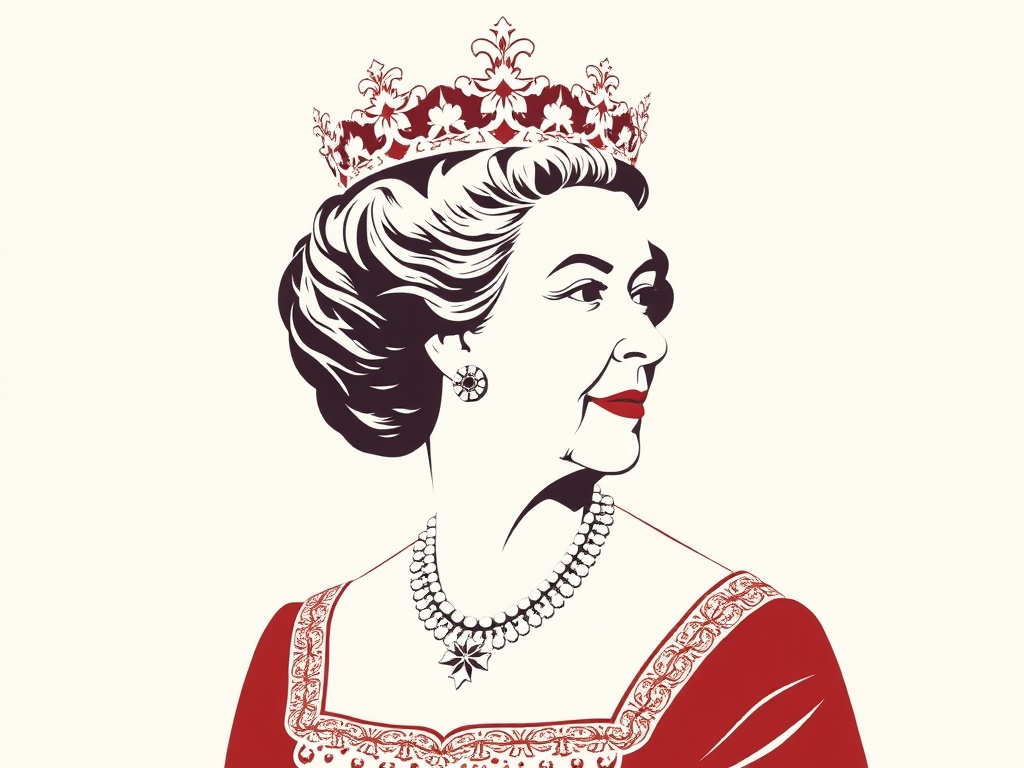
Style became a subtle diplomatic tool: vibrant coats and matching hats ensured visibility at crowded events, while pearls, brooches, and bespoke jewelry conveyed continuity and personal taste.
Designers, jewelers, and costume historians often point to her sartorial choices as a study in symbolic dressing—what to wear to project accessibility, authority, or empathy.
Collecting, archives, and public access
The Royal Collection and Royal Archives preserve a vast array of paintings, photographs, letters, and ceremonial objects. Many items are displayed in museums and royal residences open to the public, and digitization efforts have made more material accessible online.
Exhibitions focusing on state visits, portraits, coronation regalia, and personal memorabilia provide context for visitors wanting to understand both the ceremonial and the personal dimensions of royal life.
How to explore the legacy
– Visit royal sites and exhibitions: Many palaces and galleries host rotating displays that showcase state gifts, regalia, and portraits. Check official trust websites for tickets and visitor information.
– Consult primary sources: Archives, public speeches, and recorded broadcasts offer insight into public duties and personal priorities.
– Read respected biographies and histories: Look for authors who balance constitutional analysis with cultural context to get a fuller picture.
– Collect responsibly: If buying memorabilia, seek reputable dealers and provenance documentation to avoid fakes and exploitative markets.
– Watch documentaries and archival footage: Broadcast archives and curated documentaries can illuminate key events and everyday royal routines without sensationalism.
Why it still matters
Understanding the monarch’s role illuminates broader themes—how institutions survive change, how symbolism functions in public life, and how personal duty shapes national narratives. Whether you’re a cultural historian, a tourist planning a visit, or a casual observer of public life, exploring this legacy offers lessons about leadership, adaptation, and service that resonate beyond palaces and pageantry.
To learn more, start with official royal trust resources, visit major portrait and history museums, or explore curated archival collections that showcase the artifacts and stories behind the public image.
