
Buckingham Palace: what to see, how to visit, and why it still matters
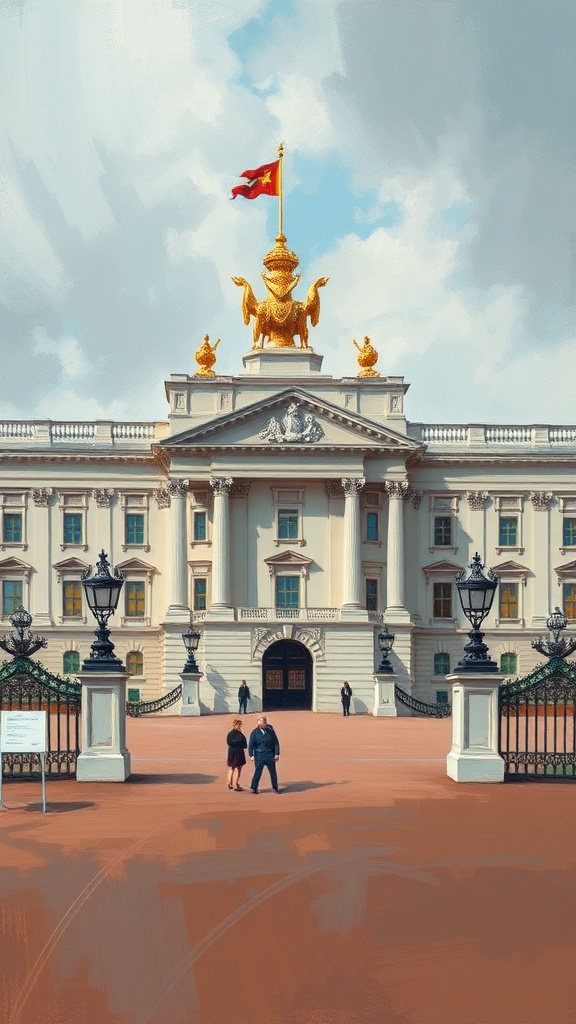
Buckingham Palace is one of the world’s most recognisable royal residences and an enduring symbol of ceremonial life and national pageantry. Positioned at the heart of the capital, it functions as a working palace, hosting state occasions, investitures, and welcoming heads of state, while also offering parts of its historic interiors to visitors during public opening periods.
Why Buckingham Palace matters
As the principal ceremonial home of the monarch, the palace is more than a tourist attraction — it’s a living institution where national identity, diplomacy, and tradition intersect.
The palace façade and the famous balcony are focal points for major public celebrations and commemorations, drawing spectators who come to witness royal appearances and key moments in public life.
Highlights to see inside and out
– The State Rooms: A selection of lavishly furnished rooms used for official entertaining.
These rooms showcase fine art, exquisite chandeliers, and historic furniture that reflect the monarchy’s ceremonial role.
– The Iconic Balcony: Often used for public royal appearances, this small architectural stage is synonymous with national celebrations and milestone events.
– The Changing of the Guard: A colourful, musical ceremony at the palace gates that draws visitors for its precision and pageantry. It’s a quintessentially British spectacle easily combined with a stroll through nearby royal parks.
– The Royal Mews and Queen’s Gallery: Nearby royal institutions that often welcome visitors — the Mews houses the famous state vehicles and carriages, while the gallery presents changing exhibitions from the royal art collection.
– The Palace Garden: The private garden is one of the largest private green spaces in the city and hosts the palace’s famous garden parties and outdoor ceremonies.
Practical visitor tips
– Book ahead: Tickets for tours and special exhibitions often sell quickly.
Check the official royal trust or palace website for ticketing and availability.
– Timing and transport: The palace is centrally located with excellent public transport links. Arrive early to avoid peak crowds at key viewpoints and ceremonies.
– Photography and access: Exterior photography is generally welcome, but some interior rooms and special displays may have restrictions. Respect signage and staff guidance.
– Combine with nearby sights: Pair a palace visit with a walk through adjacent royal parks, a stop at a national museum, or a view down ceremonial streets to get a fuller sense of the area’s history.
Conservation and visitor experience
Conservation work and modernisation efforts are regularly undertaken to preserve the palace’s fabric and to improve visitor facilities. These projects balance protecting historic interiors with making the palace accessible and engaging for a global audience. Exhibitions at the Queen’s Gallery rotate regularly, offering fresh reasons to return.
Plan your visit
Whether you’re drawn by architectural grandeur, royal tradition, or cultural exhibitions, Buckingham Palace offers a range of experiences for first-time visitors and repeat travellers alike. For the latest visiting information, opening times, and special events, consult the official palace information channels before planning your trip. A visit rewards those interested in history, ceremony, and the ongoing role of a living royal residence.
