
Buckingham Palace remains one of the most iconic symbols of national ceremony, art and heritage — and a working center of official life.
Whether you’re drawn to its ceremonial pageantry, monumental architecture or world-class art, the palace offers a layered experience that blends public spectacle with private function.
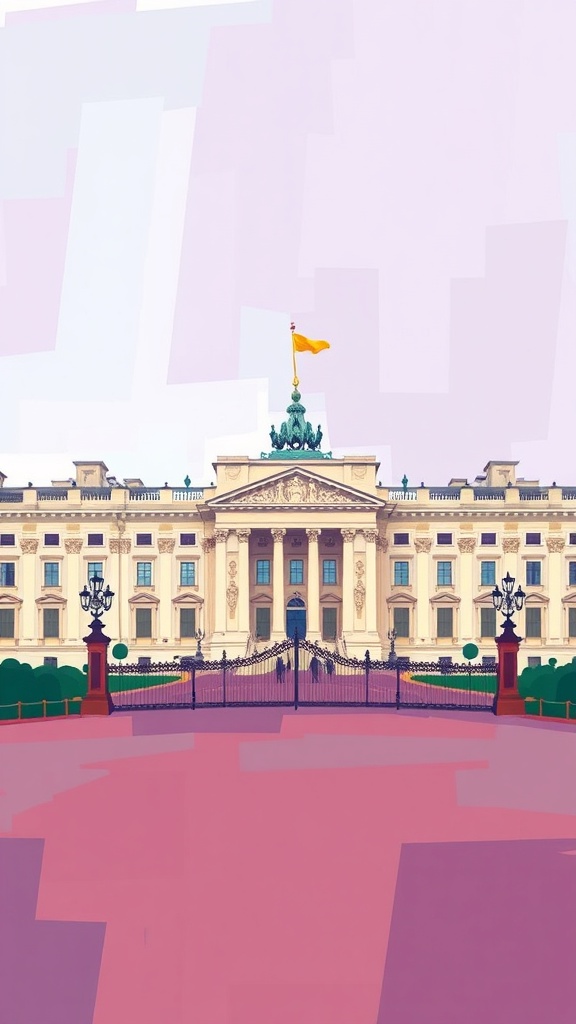
A living residence and official workplace
Buckingham Palace serves as both an official royal residence and the administrative headquarters for numerous state activities. It hosts visiting heads of state, formal banquets, investitures and audience appointments, while also functioning as a private home for members of the royal household when they are in the city. That dual role gives the palace a unique rhythm: grand public ceremonies one day, everyday governance the next.
The State Rooms and the Royal Collection
At the heart of public interest are the State Rooms — a series of lavishly decorated spaces used for official entertaining.
These rooms showcase a remarkable selection of art and decorative objects drawn from the Royal Collection, including masterpieces by major European painters, fine furniture, and historic porcelain. Guided and audio tours normally explain the provenance of key pieces and the ceremonial functions of each room, offering a rare glimpse into how art, design and diplomacy converge.
Ceremony, color and the Changing of the Guard
One of the most photographed traditions is the Changing of the Guard: a precision drill and military spectacle that attracts visitors daily when scheduled.
The event combines music, marching regiments and centuries-old customs, making it accessible theater for visitors of all ages.
For the best viewing experience, arrive early, check the day’s schedule and consider watching from areas with an unobstructed view of the forecourt.
The palace balcony and national moments
The central balcony of Buckingham Palace is the stage for public appearances during national celebrations and milestone events. When members of the royal family appear together, the balcony becomes a focal point for public emotion and media attention, symbolizing national unity and ceremony.
Gardens and summer activities
Behind the palace lies one of the largest private gardens in the city — a green oasis used for concerts, garden parties and diplomatic receptions. During the warmer months, limited public access to parts of the gardens is sometimes offered as part of broader visitor programs. These outdoor spaces underline the palace’s role as a hub for both formal hospitality and relaxed, informal gatherings.
Visiting tips and practicalities
– Book tickets via official channels to guarantee entry to tours of the State Rooms and special exhibitions.
– Check the schedule for ceremonial events like the Changing of the Guard, which can change for official functions.
– Expect security checks and respectful photography rules inside the State Rooms; photography is often allowed in exterior areas but restricted indoors.
– Accessibility services are typically available; verify options when booking if you require assistance.
– Combine your visit with nearby cultural landmarks and green spaces to make the most of a day in the area.
Conservation and future focus
Ongoing conservation projects ensure the palace remains structurally sound and culturally relevant. Restoration work, museum-style conservation of the Royal Collection, and energy-efficiency measures are priorities that help balance public access with the need to preserve a national asset for future generations.
Whether you come for ceremony, history or art, Buckingham Palace remains a powerful symbol of tradition and continuity — a place where public ritual and private life intersect on a grand, enduring scale.
