
London’s story is a layered tapestry where Roman foundations meet glass towers, and narrow medieval alleys sit beside sweeping modern boulevards. That sense of deep time is one of the city’s most compelling features: every stroll can reveal a surprising shard of the past, often tucked away beneath buzzing modern life.
The earliest visible traces begin along the Thames. Roman settlers established a riverside settlement that grew into a bustling port and administrative centre.
Today, fragments of walls, buried roadways and archaeological displays let visitors glimpse that original grid beneath the pavements. The Museum of London and several on-site displays near the river make it easy to connect the street-level bustle with the subterranean remains.
Medieval London expanded outward from the old Roman core.
Narrow lanes, market squares and parish churches took shape, and many of those routes still guide traffic across the City. Landmarks such as the Tower and the surviving pieces of the old city wall offer tangible links to that era.
Markets like Smithfield and the preserved covered arcades of Leadenhall recall the city’s commercial heart through the ages.
A single catastrophic blaze reshaped large parts of the city and created an opportunity for ambitious rebuilding.
The response to that disaster produced some of the most admired architecture in London — sweeping churches, new commercial streets and the dramatic silhouette of a renewed cathedral soaring over the skyline. Those reconstruction efforts also spurred advances in urban planning and building regulation that influenced cities beyond the Thames.
Industrial expansion brought another radical transformation. Canals, docks and factories reworked the riverfront, while railways and the deep-level railway revolutionized movement and commerce.
One of the world’s first underground rail networks sprouted from Victorian engineering ambitions, tunnelling beneath streets and building a transport spine that still underpins daily life. Many original stations and engineering feats remain visible, offering a glimpse into the era of steam and iron.
Wartime bombing etched another layer into London’s fabric. Entire districts were gutted and later rebuilt, creating pockets of modern architecture interspersed with restored historic buildings. That period also led to a renewed appreciation for salvage and conservation, with several important old structures preserved and repurposed rather than demolished.
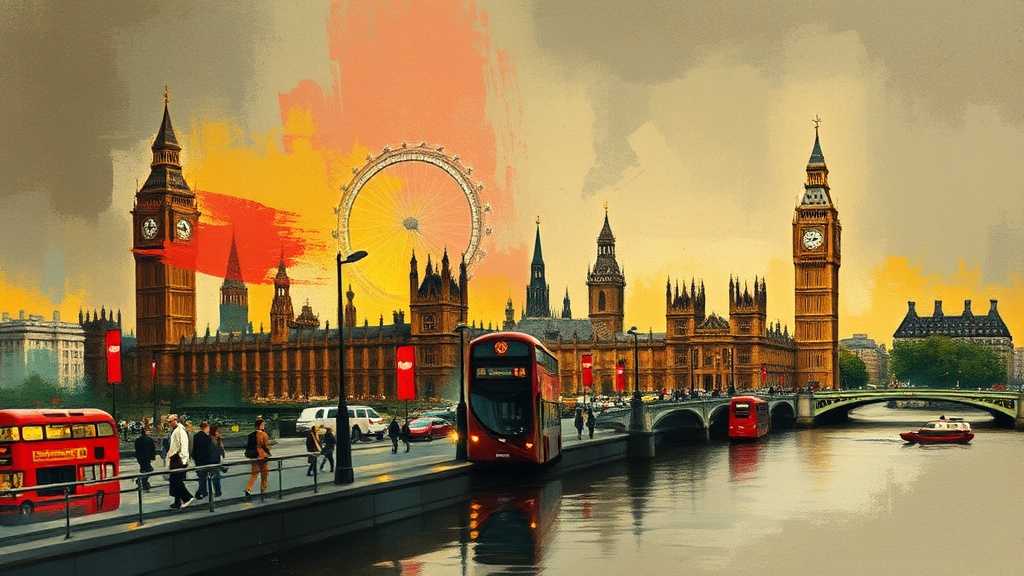
Hidden London is full of surprises. Beneath the Guildhall lies a Roman amphitheatre; in quiet churchyards and under new developments, archaeological digs still uncover long-vanished streets and cemeteries.
Historic pubs, some claiming centuries of continuous service, hide original beams, cellars and plaques marking famous patrons and events. Small museums in converted townhouses — such as a lawyer’s collection of curios or a preserved Georgian interior — offer intimate views into private lives of the past.
Exploring London’s history works best on foot. Follow the river from historic bridges to modern promenades, move through the winding alleys of the City, and detour into markets and courtyards to find layers of story that don’t make the guidebooks.
Guided walks led by local historians reveal hidden passages, tell the tales behind blue plaques, and point out architectural details easily missed by passersby.
To experience London’s past is to watch how continuity and reinvention play off each other: old stones reused in new façades, a medieval lane channeling modern commuters, and contemporary towers rising above ancient foundations. For anyone who loves urban history, the city offers endless discovery — a living museum where every corner holds a narrative waiting to be unearthed.
