
David Beckham’s name still carries the kind of global pull that turns headlines, sells tickets and elevates brands. Once celebrated primarily for pinpoint free kicks and a signature right-foot bend, his influence now spans sport, fashion, business and philanthropy—shaping how football and celebrity culture intersect worldwide.
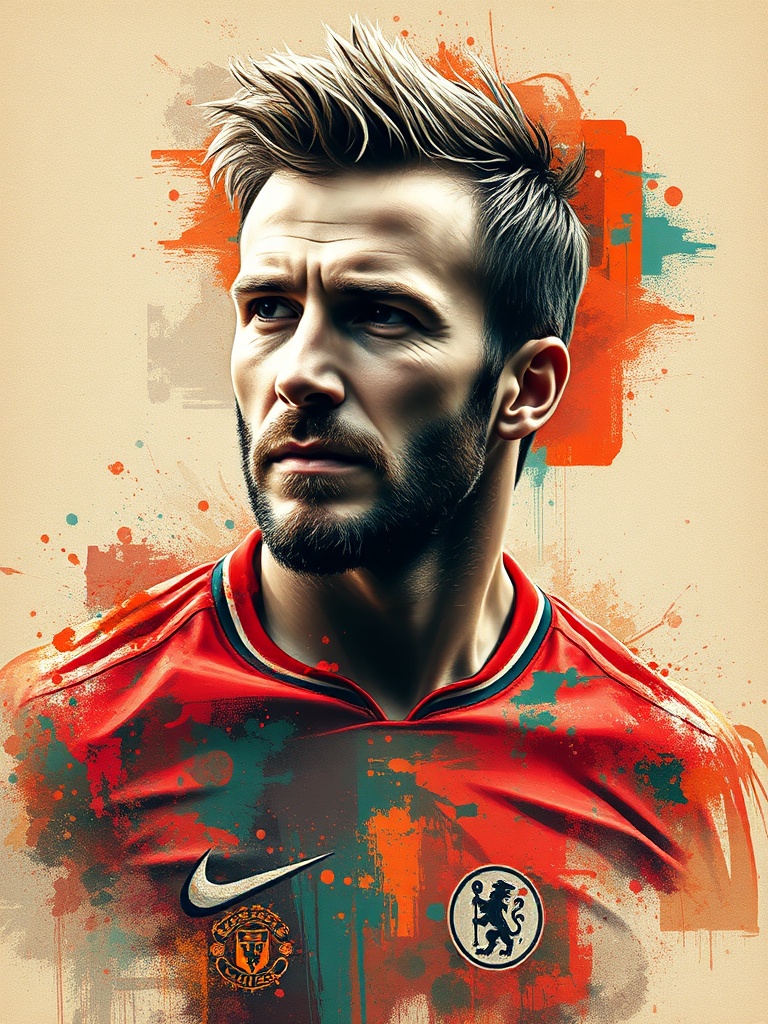
From pitch to ownership
Beckham’s transition from elite player to club owner is a case study in long-game influence. As a co-owner and public face of a major MLS club, he has played a clear role in positioning the franchise as a magnet for high-profile talent and fans, helping to raise the profile of the league and soccer culture in North America. His involvement goes beyond headline signings: it includes stadium planning, youth development priorities and community outreach designed to create a sustainable football ecosystem rather than just short-term attention.
Fashion and personal brand
Few athletes have turned style into a second career as effectively. Beckham’s evolution into a fashion icon—partnering with big-name brands, launching grooming and fragrance lines, and collaborating with designers—has created a business model that blends athletic credibility with lifestyle marketing.
His consistent visual reinvention (from tailored suiting to streetwear) keeps him relevant to multiple audiences: older fans who watched his playing days and younger consumers drawn to curated style and authenticity.
Commercial savvy
Endorsements and licensing deals have always been part of the Beckham story, but the approach has matured. Rather than simply lending a name, he has helped craft brands—from grooming products to whisky and beyond—that reflect a cultivated image: modern, global and premium. This makes the Beckham name a valuable asset for partners seeking credibility in sport, fashion and luxury markets.
Philanthropy and youth development
Beyond commercial success, Beckham has long placed emphasis on giving back. As a high-profile supporter of UNICEF and with foundations focused on youth football and education, he leverages visibility to drive fundraising and awareness. His academies and community initiatives emphasize access to sport, coaching and school-based programs—efforts that aim to turn fame into lasting social impact.
Cultural influence and legacy
What keeps Beckham relevant is more than a résumé; it’s cultural resonance. He helped normalize a modern athlete’s life as a blend of elite performance, personal brand cultivation and family prominence. The number on his shirt became an emblem; his free kicks are still studied by young players worldwide; and his ability to navigate media, fashion and business offers a blueprint for athletes who want long-term relevance off the field.
What to watch next
Beckham’s ongoing projects make him a figure worth watching for anyone interested in the convergence of sport, commerce and culture. Whether through club strategy, brand collaborations, or philanthropic initiatives, his decisions influence market moves and public conversation about how modern athletes shape industries beyond the stadium.
Ultimately, his legacy is that of a bridge-builder: connecting elite football to mainstream culture, pushing a once-regional league toward global relevance, and showing how sport can be a platform for broader creative and social ambitions. For fans, entrepreneurs and brand strategists alike, his career offers lessons in reinvention, strategic partnership and the long-term payoff of cultivating authenticity.
