
A Local-Friendly Guide to London: What to See, Eat and Do
London blends centuries of history with a lively, ever-changing cultural scene, making it one of the world’s most magnetic cities. Whether it’s your first visit or a repeat stay, there’s always something new to discover alongside the iconic must-sees.
Top attractions and neighborhoods
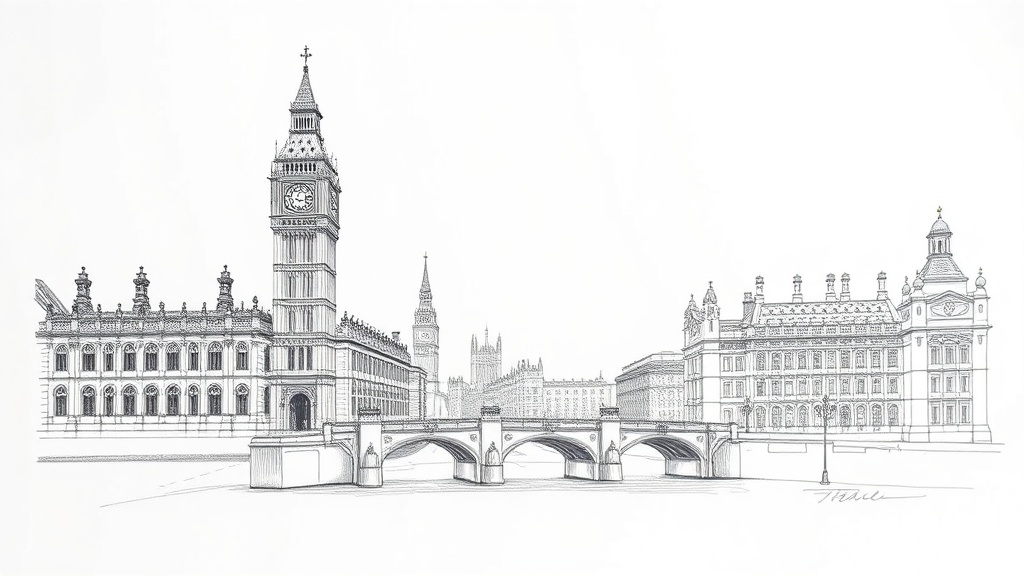
Start with the Thames — walking along the South Bank delivers spectacular views of landmarks like the Houses of Parliament, the Tower of London and Tower Bridge. Cross the river to explore Westminster’s ceremonial grandeur or head east to the creative corridors of Shoreditch, where street art, independent shops and late-night bars form a vivid counterpoint to the historic core.
For market culture, Borough Market is a paradise for food lovers, Portobello Road offers antiques and vintage finds, and Camden Market serves up eclectic stalls and international street food. Museum lovers can spend days between the British Museum, the National Gallery, Tate Modern and the V&A — many major museums offer free general admission, which makes spontaneous returns easy.
Culture, theatre and nightlife
London’s theatre scene is globally renowned. The West End stages big musicals and acclaimed plays, while fringe venues and pub theatres across the city showcase emerging talent. For music and nightlife, check listings in Camden, Brixton and Hoxton for intimate gigs, or head to Mayfair and Soho for upscale late-night venues. Outdoor cultural programming on the South Bank and in major parks keeps the calendar active when the weather is mild.
Food and drink
London’s dining scene is remarkably diverse. Traditional pubs remain central to the city’s social life — think hearty roasts and lively atmospheres — while gastropubs and modern British restaurants focus on seasonal ingredients and imaginative menus. Street food markets and supper clubs make it easy to sample global flavors. For a classic experience, book afternoon tea at a historic hotel or independent tea room.
Getting around
Public transport is efficient and extensive. An electronic travel card or contactless payment covers buses, trams, the Underground and many rail services, and bike-share schemes give flexible short-ride options for inner-city trips. Walking between neighborhoods often reveals unexpected streets, cafes and independent shops. For journeys to airports and outer suburbs, express and regional rail services provide fast connections.
Practical tips and local hacks
– Book popular attractions and certain rooftop gardens in advance to avoid disappointment. Some rooftop and skyline viewpoints offer free access with timed entry.
– Take advantage of free museum days and look for late openings and free talks or tours.
– Peak travel times on public transport can be busy; traveling outside rush hours adds comfort and saves time.
– Markets and smaller eateries often accept card payments but carrying a small amount of cash can be helpful for street vendors.
Green spaces and leisure
Parks are integral to city life — large royal parks, botanical gardens and riverside walks offer easy escapes from urban energy. For a different perspective, look for river cruises and quieter stretches of the Thames farther from the center. Cycling routes and riverside promenades make it simple to combine sightseeing with outdoor time.
Whether drawn by historic landmarks, world-class museums or a dynamic food scene, London rewards curiosity. Plan a loosely structured itinerary that leaves room for discovery — that’s often where the city’s best moments are found.
