
London’s riverfront is reshaping how locals and visitors experience the city.
Once dominated by industry and shipping, the Thames corridor now blends transport, public space and culture, creating a riverside that’s easier to explore, more sustainable, and endlessly photogenic.
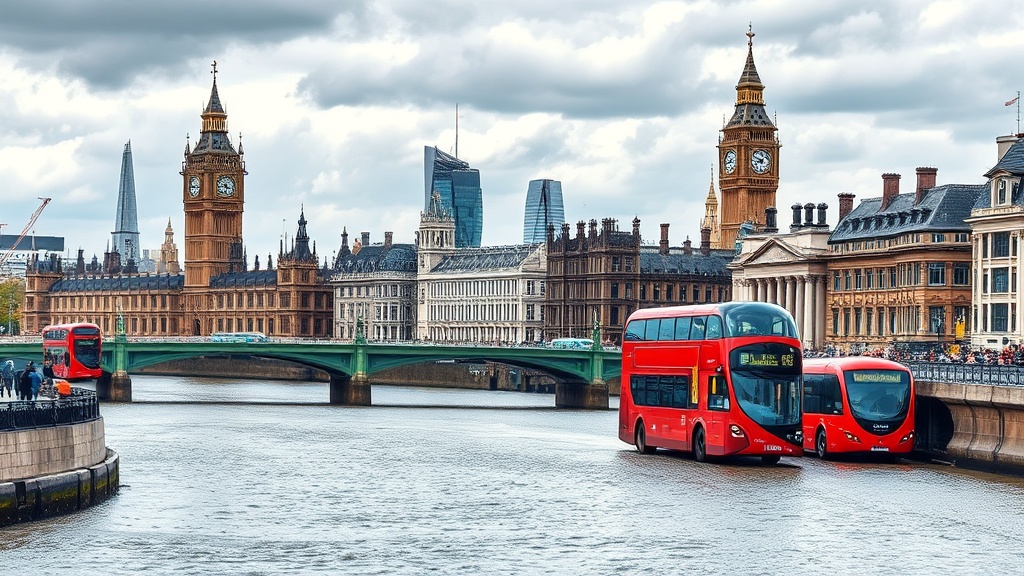
Why the river matters
The Thames runs through the heart of London, linking key neighbourhoods and landmarks. That makes the riverfront an ideal focus for regeneration: improved piers and pedestrian routes connect cultural hubs, markets and green spaces, while investment in cleaner river transport helps reduce road congestion and emissions.
Getting around by river
River buses and ferries offer a scenic, practical alternative to the Tube and buses. Services integrate with contactless payment systems and transport apps, so hopping on at a central pier can be quick and convenient. Operators are introducing hybrid and electric vessels, reducing noise and emissions and making river travel a greener option for commuters and tourists alike.
Top riverside experiences
– South Bank: Home to theatres, galleries and street food, the South Bank remains one of the best places for a riverside stroll.
The pedestrianised area offers riverside views, temporary pop-ups and year-round cultural events.
– Greenwich: Historic maritime sites and markets sit beside riverside walks, with green spaces and river tours that highlight London’s naval past.
– Battersea and Nine Elms: Former industrial land has become a mix of parks, lifestyle destinations and new riverside promenades, offering striking views back toward central London.
– Tower Bridge to London Bridge: This stretch combines iconic architecture, riverside dining and easy access to markets and museums.
Riverside walks and cycling
The Thames Path runs much of the river’s length through the city, offering continuous walking routes that reveal quieter corners as well as busy cultural zones. Many sections are fully pedestrianised and well-signed, with dedicated cycle lanes in key stretches. Pair a walk with a river bus hop-on/hop-off for a flexible day out.
Environmental and flood resilience efforts
Improving water quality and reducing sewage overflows are priorities along the Thames. Major infrastructure projects and local initiatives aim to cut pollution and restore habitats, making the river healthier for wildlife and more attractive for recreation.
At the same time, flood resilience measures—from upgraded barriers to natural floodplain design—seek to protect riverside communities while enhancing public access to the waterfront.
Practical tips for exploring
– Use contactless payment or a transport app to buy river tickets quickly.
– Plan trips around tide times if you’re using smaller piers; some services adjust their schedules for tides.
– Combine walking and river travel: many piers are close to key attractions, so build a route that mixes both.
– Check pier accessibility in advance if you need step-free access; many piers have been upgraded but not all are equal.
Why the riverfront is worth a visit
London’s riverfront reflects the city’s dynamic character: historic and modern, practical and playful. Whether you’re commuting, taking a leisurely cruise, or wandering between galleries and markets, the Thames provides an alternative, scenic way to experience London that’s becoming greener and more welcoming over time.
Next time you plan a day out, think beyond the Tube—explore riverside routes, hop a boat, and discover a different perspective on the city.
