
London, known as Londinium to the Romans, has been a significant settlement for two millennia. With its deep roots in history, the city has evolved over the centuries, becoming a hub for culture, commerce, fashion, and the arts. However, what truly encapsulates its dynamism and charm is the rich history that has been woven into its very fabric. From the iconic London Bridge to the regal Buckingham Palace, each monument reveals a unique tale of the city’s past, providing a fascinating glimpse into its evolution through the ages.
Renowned for its striking Gothic architecture, the Westminster Abbey, today, stands as a testimony to the city’s storied past. Serving as a site for coronations, royal weddings, and burials, it has witnessed the joys and sorrows of monarchs, making it a treasure trove of British history. The Abbey’s intricate design, with its stunning stained-glass windows and detailed sculptures, showcases the artistic prowess of its time, providing an immersive experience for history enthusiasts.
Central to London’s historical landscape is the Tower of London.
This imposing fortress, with its iconic White Tower, has played various roles in the city’s history – from a royal palace and a treasury to a formidable prison.
Today, it is home to the Crown Jewels, a magnificent collection of 23,578 gemstones that signify the opulence of British monarchy. The Tower of London also serves as a reminder of the city’s tumultuous past, with tales of betrayal, intrigue, and power struggles etched into its walls.
The British Museum, another prominent historical landmark, houses a vast array of artifacts spanning over two million years.
From the Egyptian mummies to the Rosetta Stone, each exhibit tells a captivating story of human history and culture. The museum, since its inception, has been committed to fostering knowledge and understanding of the world’s diverse cultural heritage, making it an integral part of the city’s educational landscape.
Another noteworthy aspect of London’s history is its extensive transportation network.
The London Underground, colloquially known as ‘the Tube,’ is a marvel of engineering and a symbol of the city’s industrious spirit. As the world’s oldest underground railway, it revolutionized public transport and urban living, shaping the city as we know it today.
London’s history is not only confined to its grand structures and institutions. It also resonates in its vibrant street markets. Portobello Market, Covent Garden, and Borough Market have been an intrinsic part of London’s urban fabric for centuries, offering a sensory-rich experience with their bustling energy, colorful stalls, and aromatic food.
The city’s history is also reflected in its dynamic cultural scene. London’s theater district, known as the West End, is a global cultural hotspot. From Shakespeare’s timeless classics to modern musicals, the theaters have been a platform for storytelling, mirroring societal changes and trends over the centuries.
The history of London, however, is not just about its brick and mortar structures or its cultural landmarks.
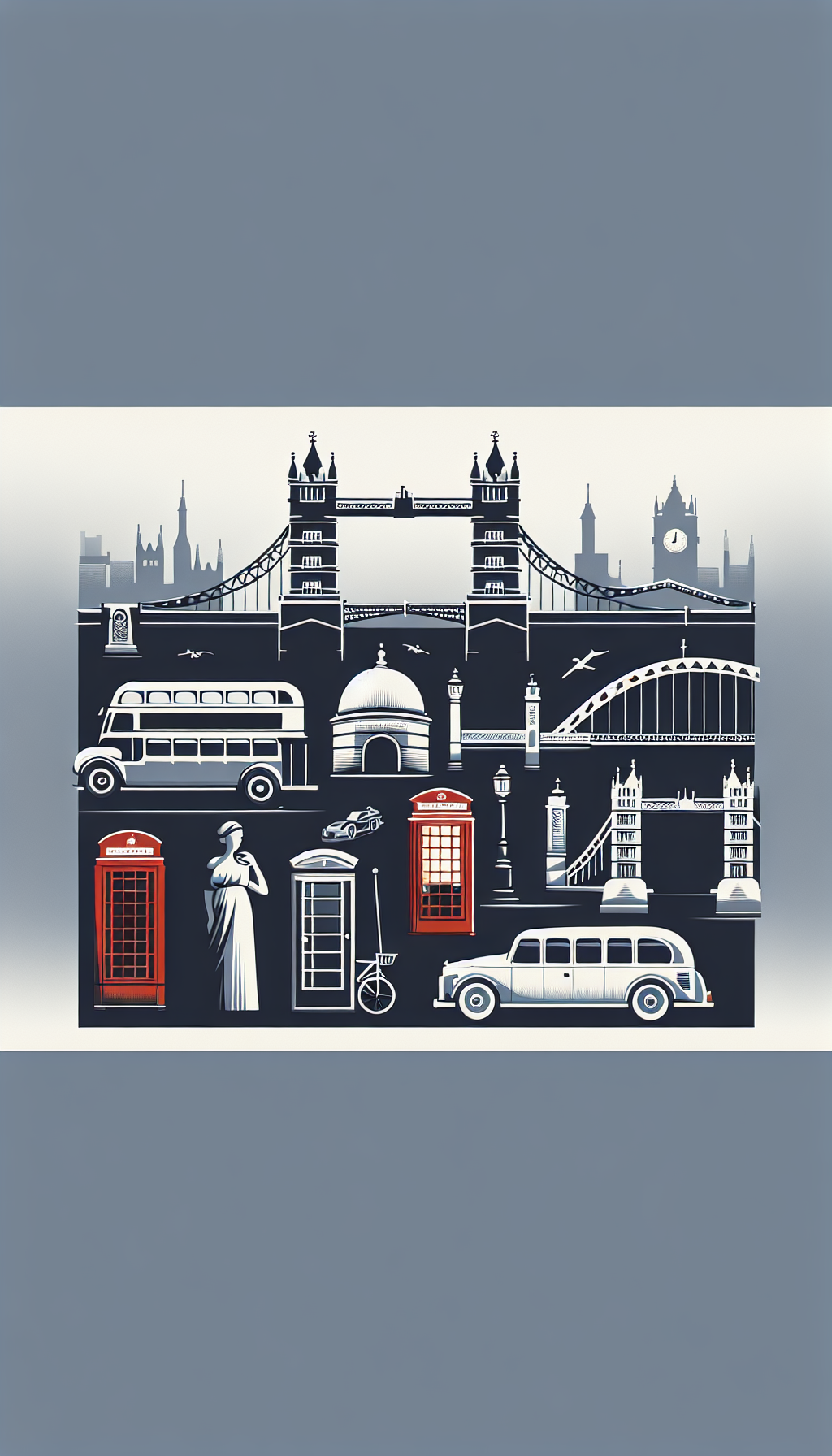
It’s a saga of resilience and transformation, reflecting the city’s ability to adapt and evolve through trying times. The Great Fire of London in 1666, the devastating Blitz during World War II, and more recent challenges have tested the city’s mettle, but London has always emerged stronger, its spirit undeterred.
The allure of London’s history is its timeless narrative that transcends eras, captivating the hearts of its residents and visitors alike. As one navigates the city’s winding streets, each corner whispers tales of the past, allowing us to appreciate the rich tapestry of human endeavor and creativity that has shaped this remarkable city. Today, as London continues to morph and modernize, it remains firmly anchored to its rich historical roots, making it a city of contrasts and an eternal fascination for history buffs worldwide.
