
David Beckham: how a footballer reshaped sport, style and global fandom
David Beckham is one of the most recognizable figures in world football, known as much for his on-field precision as for his off-field influence. His story is a useful case study in how sporting excellence combined with deliberate personal branding can expand an athlete’s impact far beyond matchday.
The footballer who delivered precision passes and spectacular free-kicks
Beckham’s hallmark was technical excellence: pinpoint crossing, curling set pieces and an uncanny ability to influence matches from wide positions. Those signature free-kicks—curling around walls with pace and dip—became part of his footballing identity and inspired a generation of players to prioritize technique and practice. Coaches often point to his approach as an example of how repetition, body positioning and striking technique produce consistent curve and accuracy.
A pioneer of the modern athlete brand
Long before personal branding became routine, Beckham blended sport and culture. He shifted public expectations about what a professional footballer could be: a high-performing athlete and a fashion, lifestyle and commercial figure.
Partnerships across sportswear, fashion and lifestyle sectors — plus visible collaborations with designers and brands — helped normalize players as wider cultural ambassadors.
That influence reassured clubs and sponsors that athletes could be trusted custodians of commercial value, opening new revenue streams for the sport.
Bringing football to new audiences
Beyond clubs and trophies, Beckham played a significant role in popularizing football where it had less cultural presence.
His moves between top European leagues and North American soccer introduced new audiences to the game and contributed to growing global interest. That crossover appeal proved that a single player can elevate a league’s profile and encourage investment in facilities, youth development and fan experiences.
Leadership off the pitch
Transitioning from player to owner and executive, Beckham has stayed involved in the sport’s development through ownership and strategic leadership. His role in building a club brand demonstrates a modern path from on-field hero to club builder: leveraging visibility, cultivating fan communities, and emphasizing infrastructure that supports long-term sports success.
His hands-on involvement in recruitment, stadium planning and community outreach highlights how athletes can translate their competitive instincts into organizational leadership.
Style, philanthropy and cultural impact
Beckham’s influence extends into fashion and philanthropy. Known for a sequence of distinctive haircuts and a carefully managed public image, he influenced trends in men’s grooming and fashion worldwide. On the philanthropic side, he has backed causes related to children, sport-for-development and disaster relief, often partnering with global NGOs to maximize reach. Those efforts emphasize how visibility can be applied to positive social outcomes.
Why his legacy matters
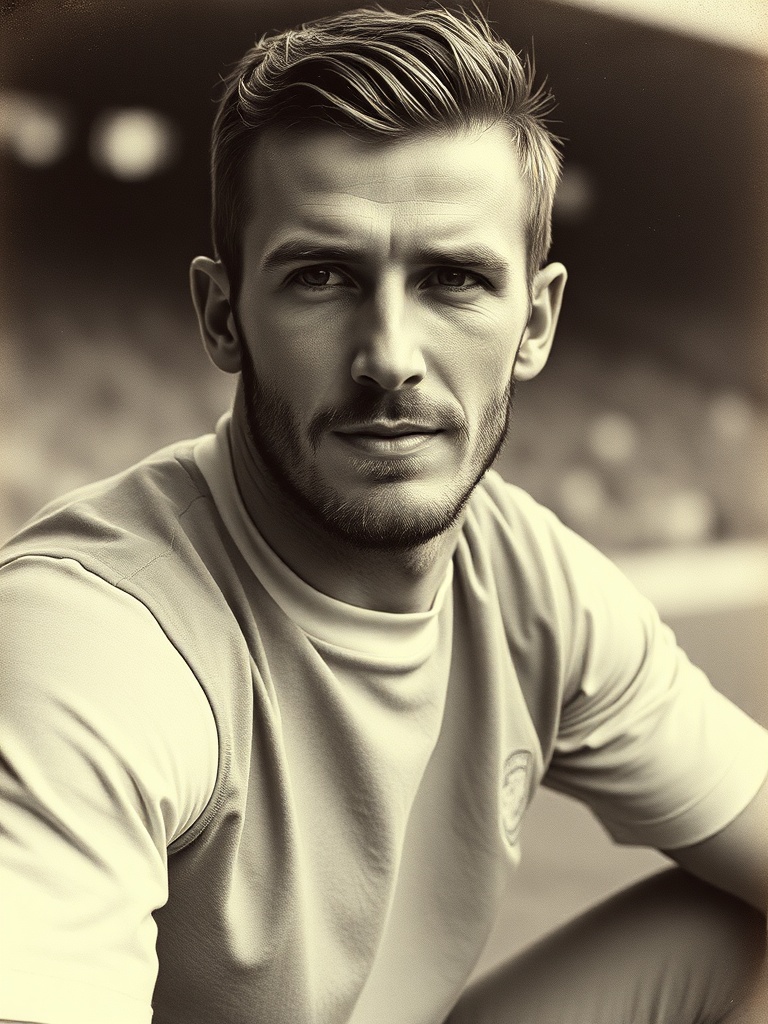
David Beckham’s legacy isn’t just about trophies. It’s about the blueprint he left for how athletes manage careers, communicate with fans, build brands and invest in the future of their sport. For players, agents and clubs looking to maximize sporting and commercial success, his career provides lessons in discipline, media strategy and long-term thinking.
Whether you follow him for the free-kicks, the fashion statements, or the growing influence in football ownership, Beckham remains a compelling example of how sport and culture interconnect—and how one individual can help change perceptions of what a footballer can achieve on and off the pitch.
